Vibratory Feeder for Springs: Tangle Prevention & Flexible Feeding Solutions
Expert guide to vibratory feeders for springs. Covers spring tangling challenges, flexible feeder advantages, bowl feeder approaches, and vision-guided solutions for spring feeding.
Key Challenges
Spring Tangling: The Core Challenge in Spring Feeding
Springs are arguably the most difficult common part type to feed using traditional vibratory bowl technology. The helical coil geometry that defines a spring also makes it naturally prone to tangling and intercoiling with neighboring springs. When compression springs, extension springs, or torsion springs are bulk-loaded into a feeder bowl, they quickly form tangled masses that resist separation through vibration alone. This tangling tendency increases with spring length-to-diameter ratio, wire flexibility, and coil pitch.
Compression springs with a free length exceeding 3× their outside diameter are particularly problematic. These springs interlock through their open coil ends, forming chains and clusters that jam tooling and block tracks. Even when individual springs are successfully separated, their variable free length (springs of the same specification can vary by 5–15% in free length) makes mechanical orientation tooling difficult to design and adjust.
Extension springs with hook ends present an even more severe tangling problem, as the hooks actively catch and interlock with adjacent springs. Torsion springs with leg extensions create similar interlocking behavior. For these spring types, traditional bowl feeder approaches often fail to achieve reliable feeding, and alternative technologies become necessary.
Why Flexible Feeders Are Often Better for Springs
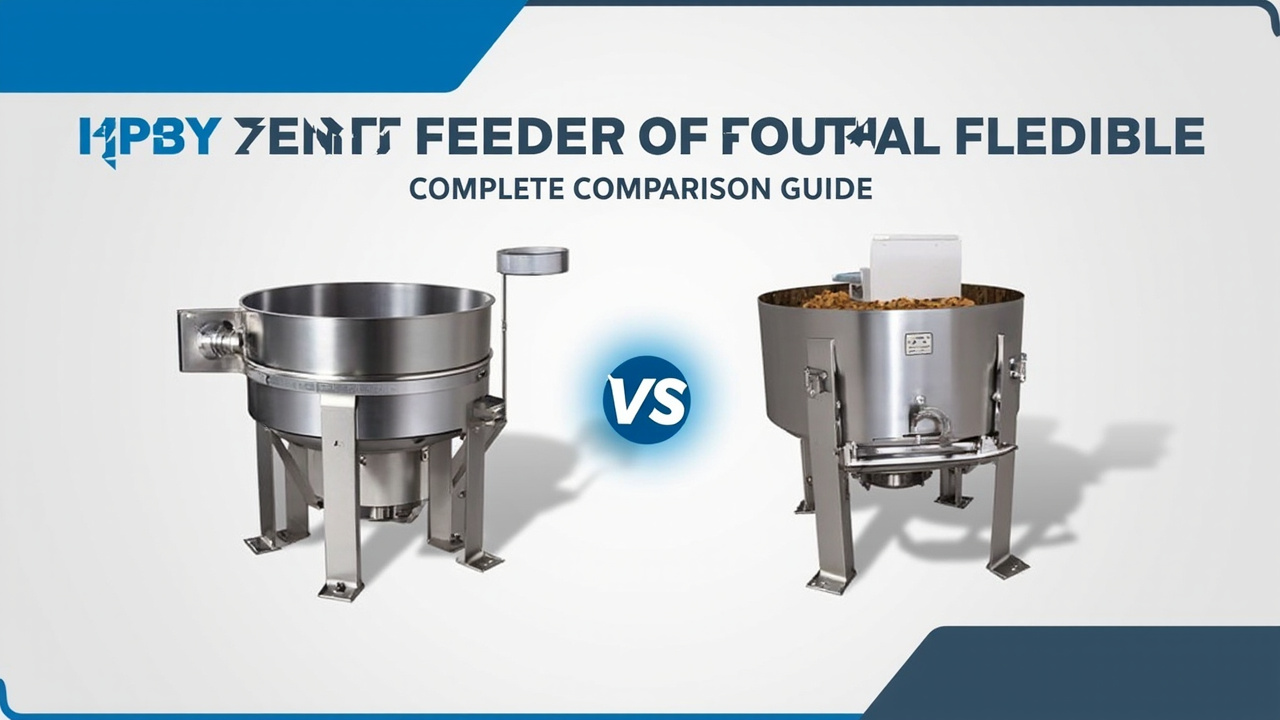
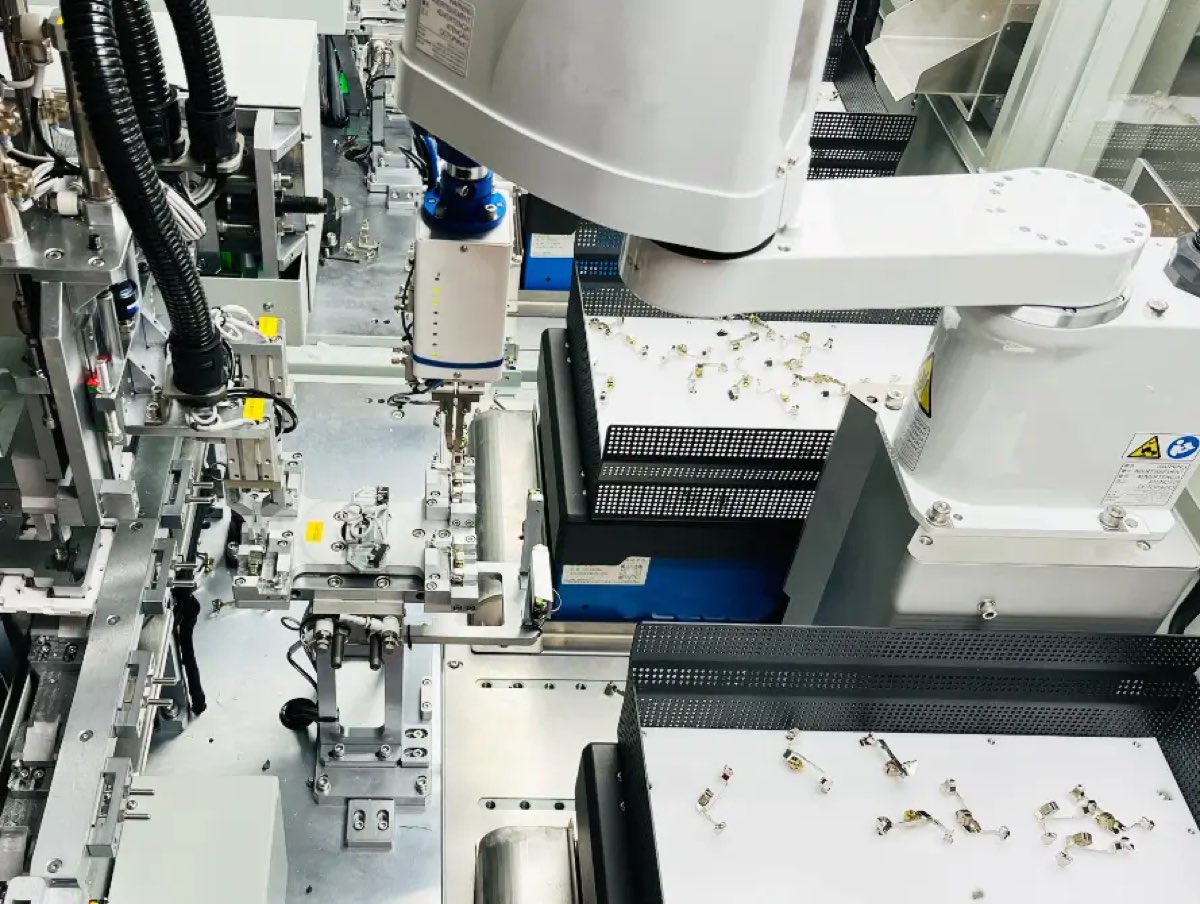
Flexible vibratory feeders with vision guidance have emerged as the preferred technology for spring feeding in modern manufacturing. Rather than attempting to mechanically orient springs through fixed tooling — a process that is fragile and spring-specific — flexible feeders use a vibrating platform to spread springs into a single layer, then a vision system identifies each spring's position and orientation for robotic picking.
This approach offers several critical advantages for spring feeding:
- No tangling in the platform — The flat, open platform design with controlled vibration amplitude separates tangled springs more effectively than a bowl. Springs are spread into a sparse, single layer where the vision system can identify individual pieces.
- Spring-type flexibility — The same flexible feeder can handle compression springs, extension springs, torsion springs, and wire forms simply by changing the vision recipe. No mechanical retooling is required.
- Gentle handling — The low-amplitude platform vibration and soft robot gripper prevent wire surface damage, maintaining spring performance characteristics.
- Variable length tolerance — The vision system adapts to natural free-length variation without mechanical adjustment, something that is extremely difficult with fixed bowl tooling.
Bowl Feeder Approaches for Springs
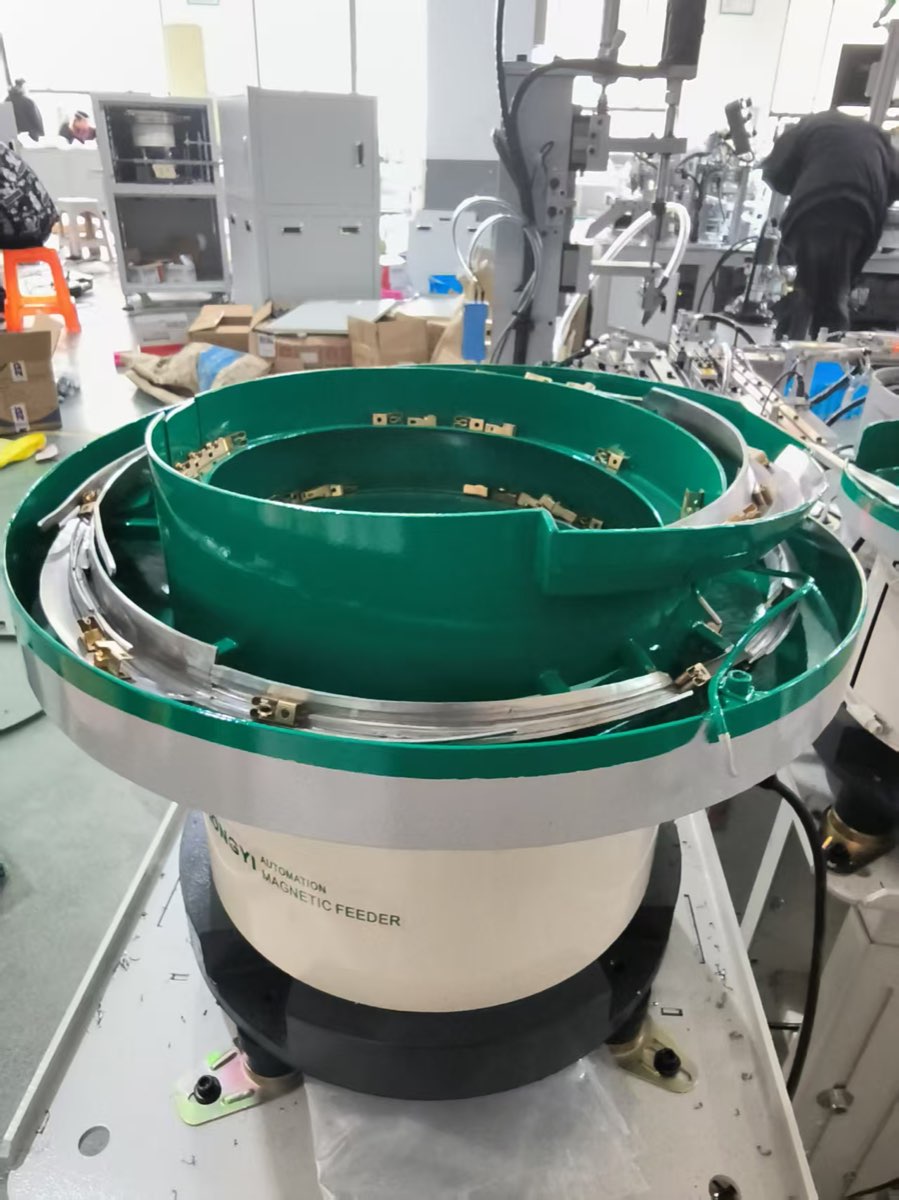
While flexible feeders are generally preferred for springs, bowl feeders can work well for certain spring types with the right design approach:
- Short compression springs (L/D < 2) — These springs are less prone to tangling and can be fed in a standard bowl with a wide, shallow track and anti-nesting baffles. Feed rates of 60–100 ppm are achievable.
- Pre-oriented loading — If springs are loaded into the bowl already separated (using a vibratory hopper with a separation mechanism), the bowl only needs to orient and transport them, not separate them. This approach works but adds system complexity and cost.
- Low-fill strategy — Keeping the bowl fill level very low (fewer springs in the bowl at once) reduces tangling frequency but requires more frequent refilling or a hopper elevator with controlled dispensing.
- Specialized track profiles — V-groove tracks or channel tracks that cradle individual springs can prevent re-tangling along the transport path, though they do not solve the initial separation problem in the bowl center.
Spring Feeding Technology Comparison
| Parameter | Flexible Feeder + Vision | Vibratory Bowl Feeder |
|---|---|---|
| Spring types handled | All types (recipe change) | Single type (fixed tooling) |
| Tangle resistance | Excellent | Poor to moderate |
| Feed rate | 15–40 ppm | 40–100 ppm (if untangled) |
| Orientation accuracy | 99%+ (vision verified) | 95–99% (mechanical) |
| Changeover time | < 15 minutes | 30–60 minutes (retooling) |
| System cost | $5,000–$15,000 | $1,500–$6,000 |
| Best for | Multi-type, tangle-prone springs | Short, stiff, single-type springs |
Why Choose Huben for Spring Feeding Systems
Huben Automation offers both flexible and bowl feeder solutions for spring feeding, and we recommend the technology that best fits your specific application — not the one that generates the highest invoice. Our vision-guided flexible feeders have been proven in spring feeding applications across automotive, electronics, and medical device manufacturing. With 20+ years of experience and ISO 9001 certification, we deliver factory-direct pricing that saves 40–60% compared to Western suppliers.
Struggling with spring tangling in your feeding system? Contact our engineering team for a free consultation and the right technology recommendation.
Recommended Products
Ready to Automate Your Production?
Get a free consultation and detailed quote within 12 hours from our engineering team.