Flexible Vibratory Feeder vs Standard Bowl Feeder: Complete Comparison Guide
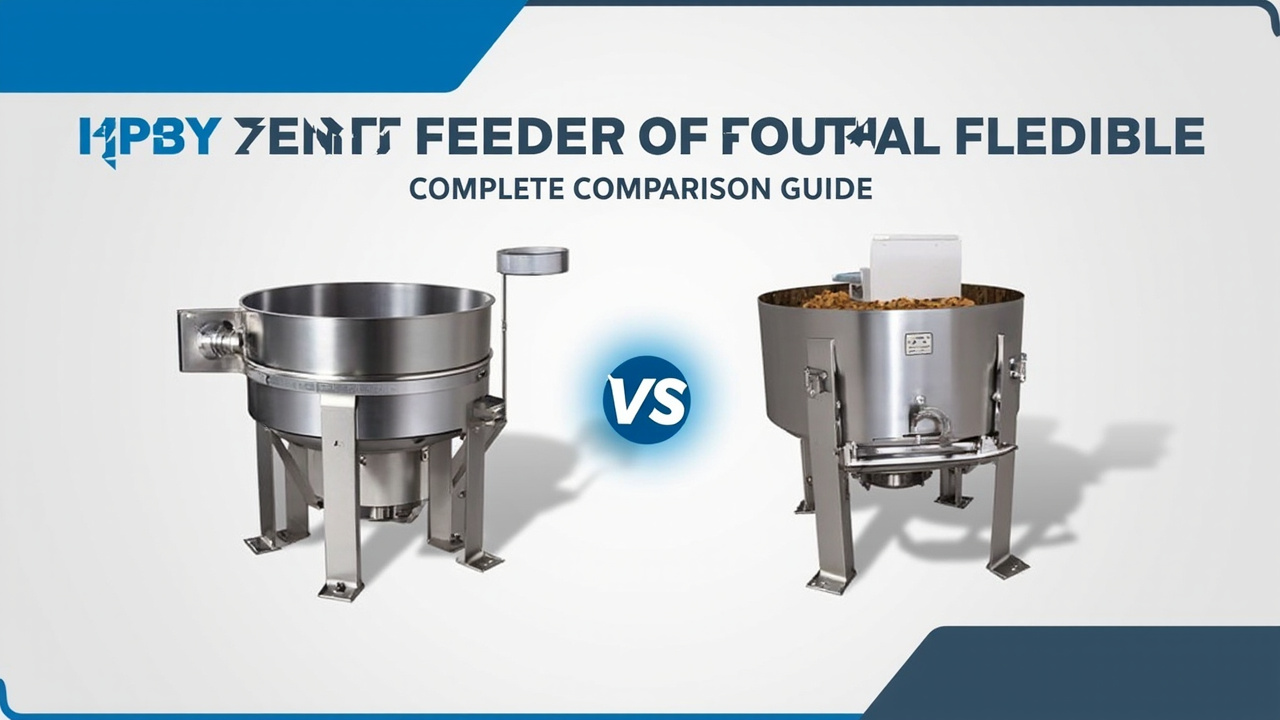
Standard vs Flexible Feeders: Which Is Right for You?
Choosing between a standard vibratory bowl feeder and a flexible vibratory feeder is one of the most important decisions in automation system design. The right choice impacts your production flexibility, operating costs, and return on investment. This guide provides a detailed comparison to help you make an informed decision.
What Is a Standard Vibratory Bowl Feeder?
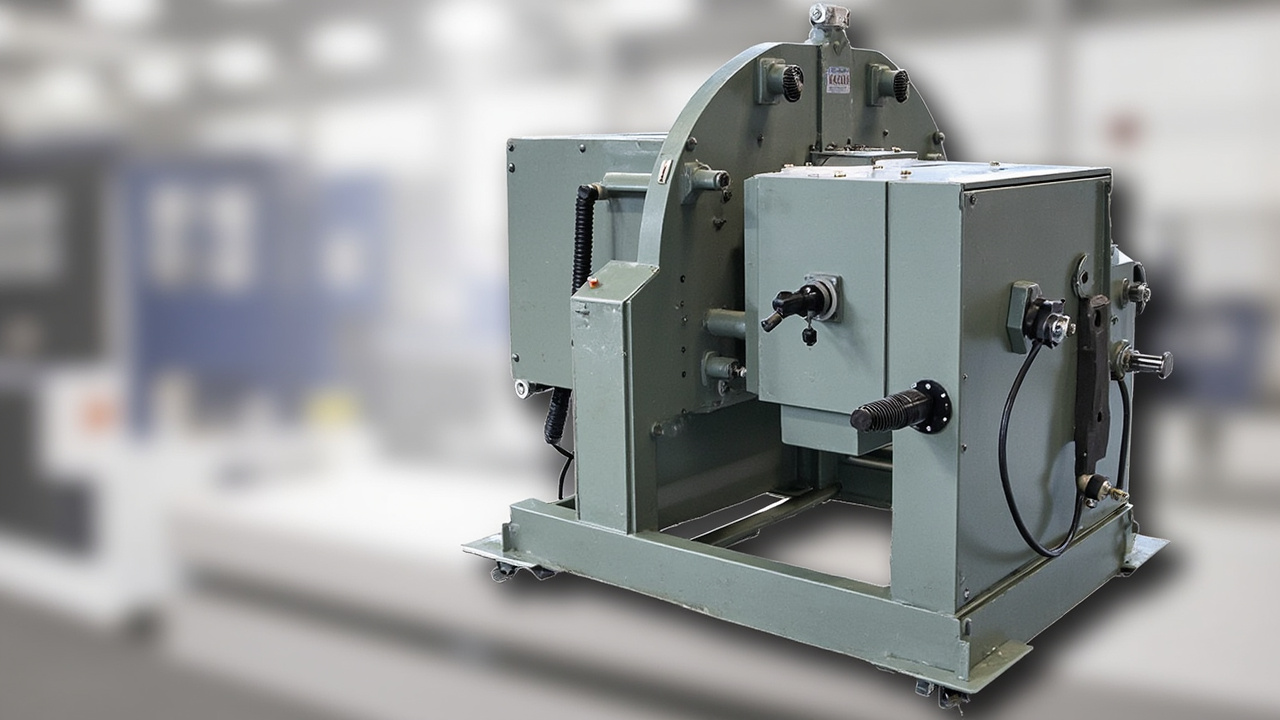
A standard vibratory bowl feeder uses fixed mechanical tooling — baffles, selectors, chutes, and orientation devices — designed specifically for one part type. The tooling is precision-engineered to sort and orient parts as they vibrate up the spiral track.
Key characteristics:
- Designed for a single part type
- Fixed mechanical tooling (no vision system)
- High feeding speed (up to 300+ parts/minute)
- Very reliable once properly tuned
- Lower initial cost
Huben Expert Tip
Regular maintenance is key. Implementing a weekly cleaning schedule for your feeder tracks can extend the equipment's lifespan by up to 40% and prevent unexpected jamming.
What Is a Flexible Vibratory Feeder?
A flexible vibratory feeder uses a flat vibrating platform combined with a vision system and robotic pick-and-place mechanism. The vision camera identifies individual parts on the platform, determines their position and orientation, and guides a robot to pick them up in the correct orientation.
Key characteristics:
- Handles multiple part types without retooling
- Vision-guided robotic picking
- Quick changeover between parts (software-based)
- Moderate feeding speed (typically 20-60 parts/minute)
- Higher initial cost but greater long-term flexibility
Head-to-Head Comparison
| Feature | Standard Bowl Feeder | Flexible Vibratory Feeder |
|---|---|---|
| Part types | One part per feeder | Multiple parts (software changeover) |
| Feeding speed | 100-300+ ppm | 20-60 ppm |
| Changeover time | 30-120 min (retooling) | 1-5 min (software) |
| Initial cost | $1,000 - $3,500 | $3,000 - $8,000 |
| Part complexity | Simple to moderate | Simple to very complex |
| Delicate parts | Risk of damage | Gentle handling |
| Maintenance | Tooling wear, spring replacement | Camera calibration, software updates |
| Setup time | 2-4 weeks (custom tooling) | 1-2 weeks (programming) |
When to Choose a Standard Bowl Feeder
A standard bowl feeder is the best choice when:
- You produce one part type in high volume (10,000+ units/day)
- Your part has a simple, consistent geometry that can be oriented mechanically
- Maximum feeding speed is critical for your production rate
- Budget is a primary concern
- You need a proven, low-maintenance solution
When to Choose a Flexible Vibratory Feeder
A flexible feeder is the best choice when:
- You produce multiple part types on the same line
- Frequent production changeovers are required
- Your parts are delicate or complex and difficult to orient mechanically
- You have small batch sizes that don't justify dedicated tooling
- Future product variations are expected
Cost Analysis: Total Cost of Ownership
While standard bowl feeders have a lower initial cost, the total cost of ownership depends on your production scenario:
Scenario 1: Single Part, High Volume
Standard feeder: $1,000-$3,500 one-time cost. Best ROI.
Scenario 2: 5 Different Parts
Standard feeders: 5 × $1,500 = $7,500 (plus changeover downtime)
Flexible feeder: $4,000-$6,000 (instant software changeover). Better ROI.
Scenario 3: Frequently Changing Parts
Standard feeders: Ongoing retooling costs ($500-$1,500 per change)
Flexible feeder: No retooling costs. Significantly better ROI over time.
The Hybrid Approach
Many manufacturers use a combination of both types: standard bowl feeders for high-volume stable products, and flexible feeders for product lines that change frequently. Huben Automation can design integrated systems that combine both approaches for optimal efficiency.
Get Expert Advice
Not sure which feeder type is right for your application? Contact our engineering team for a free consultation. Send us your part details and production requirements, and we'll recommend the most cost-effective solution for your specific needs.
Ready to Automate Your Production?
Get a free consultation and detailed quote within 12 hours from our engineering team.