Aerosol Valve Parts Feeding Guide 2026

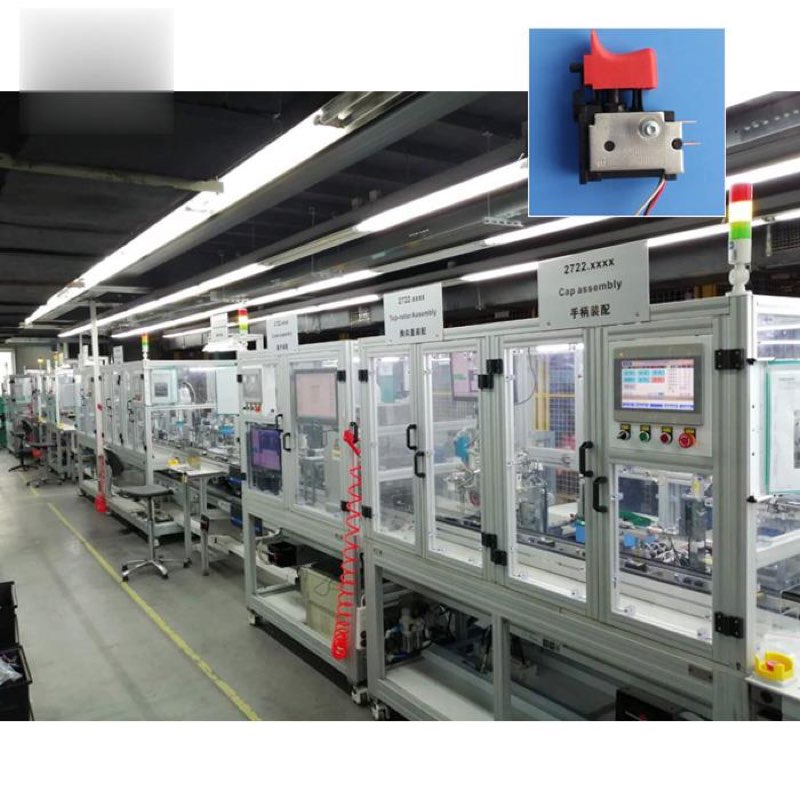
Aerosol valve lines reward feeding systems that stay steady for very long runs
Aerosol valve assembly often runs at high volume with repetitive, closely spaced stations. Springs, stems, cups, inserts, and seals each want a different handling approach, and the line quickly feels the impact when one feeder falls behind or loses orientation stability.
That means aerosol projects are less about one perfect bowl and more about matching each part family to the station rhythm around it. This article connects well with our spring feeder guide and rotary dial assembly feeding guide.
What makes aerosol valve feeding demanding
The first issue is mixed component behavior. A cup, a stem, and a spring can all appear in the same machine, yet they need very different queue control, orientation logic, and final release conditions.
The second issue is volume. Aerosol valve lines often expect long stable runs, so small feeder weaknesses become very visible over time. Refill, buffer, and clear-out behavior matter a lot here.
The third issue is station dependence. One weak feeder can starve a dial or transfer system and drag down the whole line output.
| Case | Main risk | Design focus | What to verify |
|---|---|---|---|
| Valve stem | Orientation and bounce | Controlled final track | Stem pose at assembly point |
| Metal cup | Scuffing and tilt | Calm queue and nesting | Placement repeatability |
| Spring | Tangle risk | Dedicated spring-feeding logic | Consistent single release |
| Seal or insert | Stick-slip behavior | Gentle surface and verification | Misload rate |
How to structure feeders on an aerosol valve line
Dedicated bowl feeders are usually the right starting point for the repetitive components. The line benefits when each high-runner gets a stable, easy-to-maintain concept instead of an over-clever universal system.
Buffers deserve real attention on aerosol projects because the machine may not tolerate brief feeder variation. A modest reserve at the right station can do more for uptime than a faster bowl that still starves after refill.
For component families with frequent change, modular tooling or recipe-based setups may make sense. The practical test is whether changeover time stays short without damaging the first stable minutes after restart.
Rules that improve aerosol valve-feeding projects
- Review station demand by component. Do not treat the whole valve assembly as one feeder problem.
- Protect long-run stability. Refill and buffer behavior matter as much as headline speed.
- Keep each feeder easy to service. High-volume lines suffer when a jam is slow to clear.
- Validate the first minutes after restart. That is where unstable lines lose time repeatedly.
Aerosol assembly rewards reliable, serviceable feeder decisions more than flashy ones. These lines run long enough to expose every shortcut.
How to validate aerosol valve part feeders
Run each feeder long enough to see refill, buffer depletion, and restart behavior. A short demo hides the events that really affect a packaging line.
Check station starvation by component, not only total line output. One feeder can be the bottleneck even when the machine average looks acceptable.
If the project uses a rotary or transfer machine, validate with real timing and handoff logic present. Aerosol feeders live inside that rhythm, not beside it.
Buyer checklist before requesting a quote
- List the valve components separately. Each one may need a different feeder logic.
- State target runtime and refill strategy.
- Describe changeover expectations between valve variants.
- Share the machine timing or station map. This helps size buffers and decide priorities.
Huben Automation reviews aerosol valve-feeding projects around station demand, component-specific handling, and long-run serviceability. If you want help checking an aerosol assembly line, send us the part list and target cycle details.
Ready to Automate Your Production?
Get a free consultation and detailed quote within 12 hours from our engineering team.