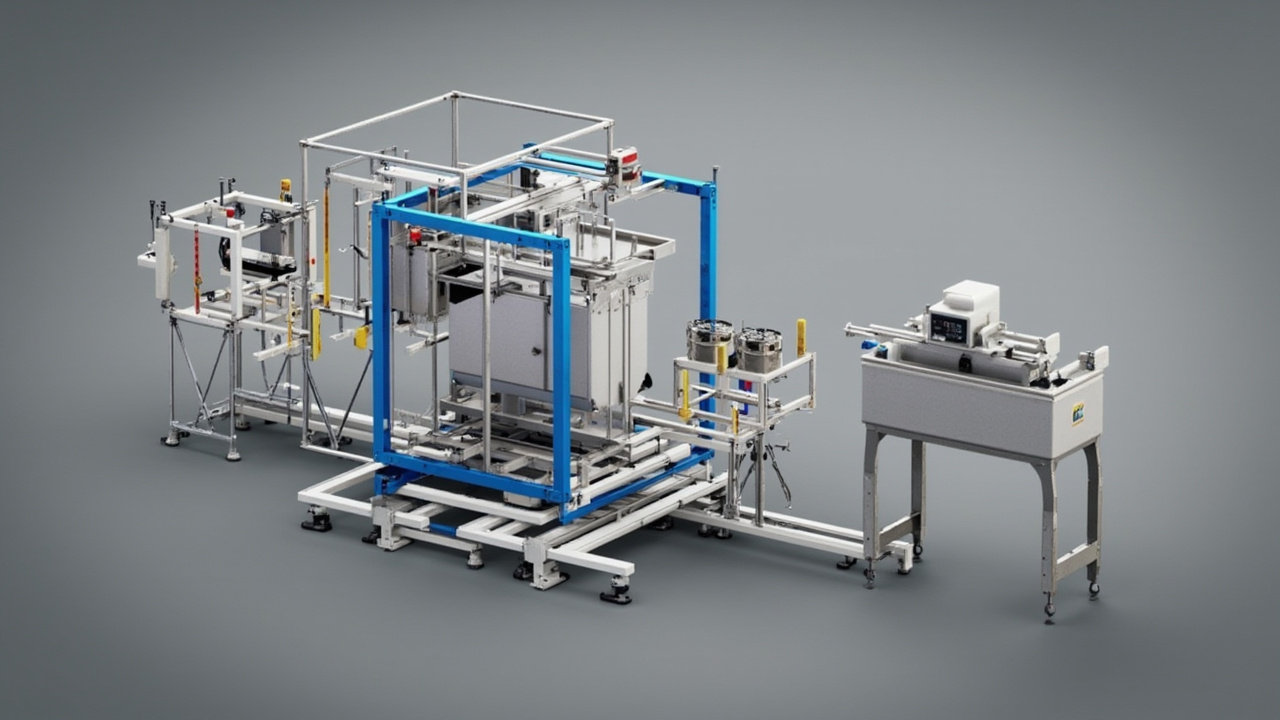
Flexible Vibratory Feeders
Vision-guided flexible feeding systems for multi-product lines and delicate components
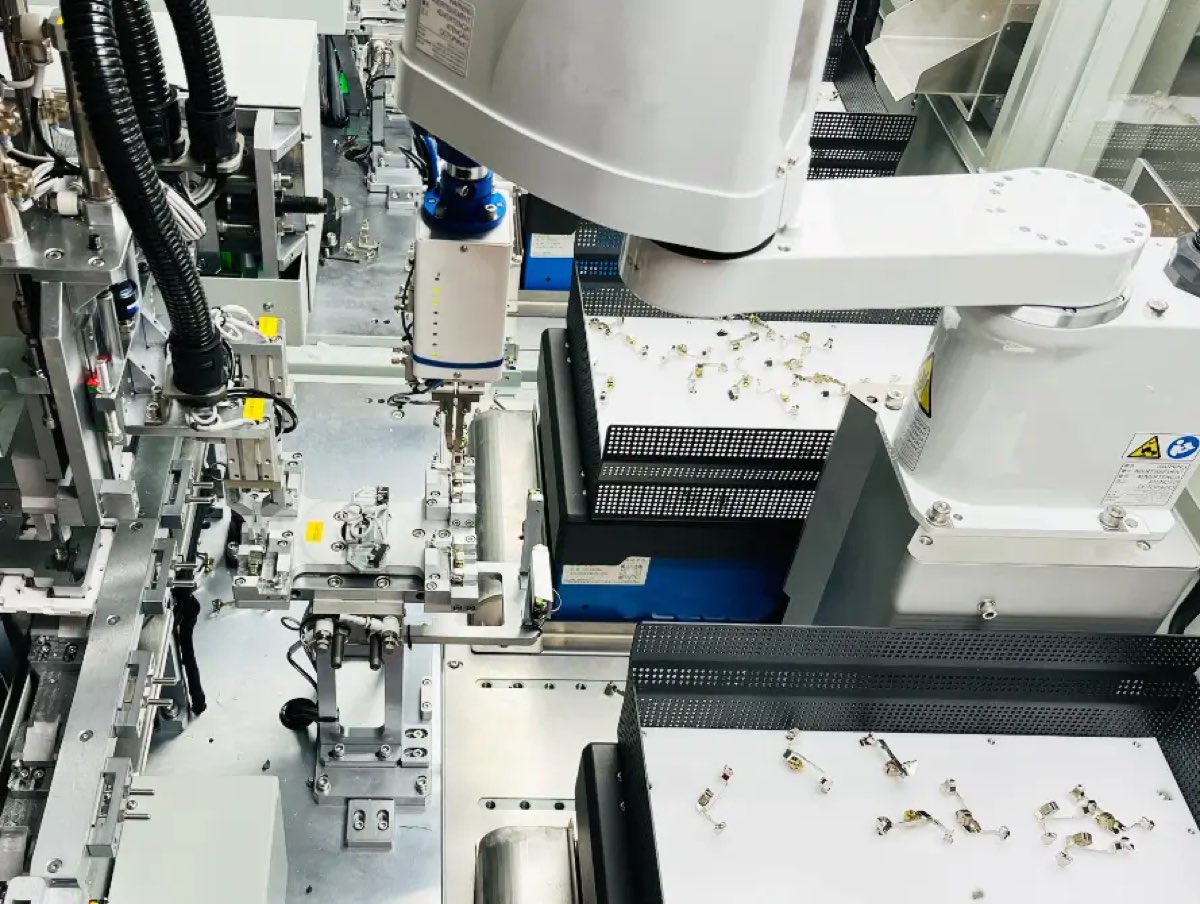
Key Features
Vision Guided
High-resolution camera systems with AI-powered recognition identify and locate parts in any orientation, enabling robotic picking without mechanical tooling
High Flexibility
Handle multiple part types on the same system — simply load a new recipe and the feeder adapts instantly, no mechanical changes required
Quick Changeover
Switch between different parts in under 15 minutes by selecting a new recipe, compared to 30-60 minutes for mechanical retooling of standard bowl feeders
Delicate Handling
Gentle vibration amplitudes and soft-surface platforms prevent damage to fragile, coated, or polished components during the feeding process
Specifications
Platform Size | 200mm / 350mm / 500mm |
Vision System | 5MP industrial camera |
Part Size Range | 2mm – 80mm |
Feed Rate | 10 – 60 ppm |
Changeover Time | < 15 minutes |
Part Types per System | Unlimited (recipe-based) |
Robot Integration | UR / FANUC / Omron / Doosan |
Communication | Modbus TCP / Profinet / EtherCAT |
Warranty | 12 months |
Lead Time | 15–25 business days |
Price Range | $3,000 – $12,000 |
Applications
What Is a Flexible Vibratory Feeder?
A flexible vibratory feeder is an advanced parts feeding system that combines a vibrating platform with machine vision and robotic picking to handle multiple part types without mechanical tooling changes. Unlike standard bowl feeders that use fixed tooling to orient one specific part, flexible feeders use cameras and AI to identify parts in any orientation and guide a robot to pick them correctly.
This technology is transforming manufacturing lines that require multi-product flexibility, small batch production, or handling of parts that are difficult to orient with traditional mechanical methods. Huben Automation offers a complete range of flexible feeding systems, from compact 200mm platforms to large 500mm systems, all at factory-direct prices.
How Flexible Feeders Work
The flexible feeding process involves four key steps that repeat continuously:
- Vibration & Separation — The platform vibrates at controlled frequencies to spread parts into a single layer, separating overlapping pieces and moving them into the camera field of view.
- Vision Recognition — A high-resolution industrial camera captures an image of the platform. AI-powered image processing identifies each part, classifies its type, and determines its precise position and orientation.
- Robot Communication — The vision system sends pick coordinates (X, Y, rotation angle) to the robot controller. Multiple pick candidates are prioritized based on accessibility and orientation quality.
- Robotic Picking — The robot picks the oriented part using a vacuum, magnetic, or gripper end-effector and places it at the target location for the next production step.
Flexible Feeder vs Standard Bowl Feeder
| Feature | Flexible Feeder | Standard Bowl Feeder |
|---|---|---|
| Part types per system | Unlimited (recipe-based) | 1 (fixed tooling) |
| Changeover time | < 15 minutes | 30–60 minutes (retooling) |
| Feed rate | 10–60 ppm | 50–300+ ppm |
| Part complexity | Any geometry | Simple to moderate |
| Delicate parts | Excellent (gentle handling) | Good (with coating) |
| Initial cost | Higher ($3,000–$12,000) | Lower ($800–$8,000) |
| Best for | Multi-product, small batch | Single-part, high volume |
Why Choose Huben Flexible Feeders?
- Factory-direct pricing — Save 40-60% compared to Western flexible feeder brands without sacrificing quality or performance.
- Open robot integration — Compatible with all major robot brands. We provide standard communication protocols and integration support.
- Proven vision algorithms — Our AI-powered recognition handles complex geometries, reflective surfaces, and overlapping parts with high reliability.
- Complete system support — From feeder to vision to robot integration, we provide a single point of contact for the entire feeding cell.
Ready to explore flexible feeding for your production line? Contact our engineering team for a free consultation and system recommendation.
Frequently Asked Questions
Ready to Automate Your Production?
Get a free consultation and detailed quote within 12 hours from our engineering team.
Related Articles
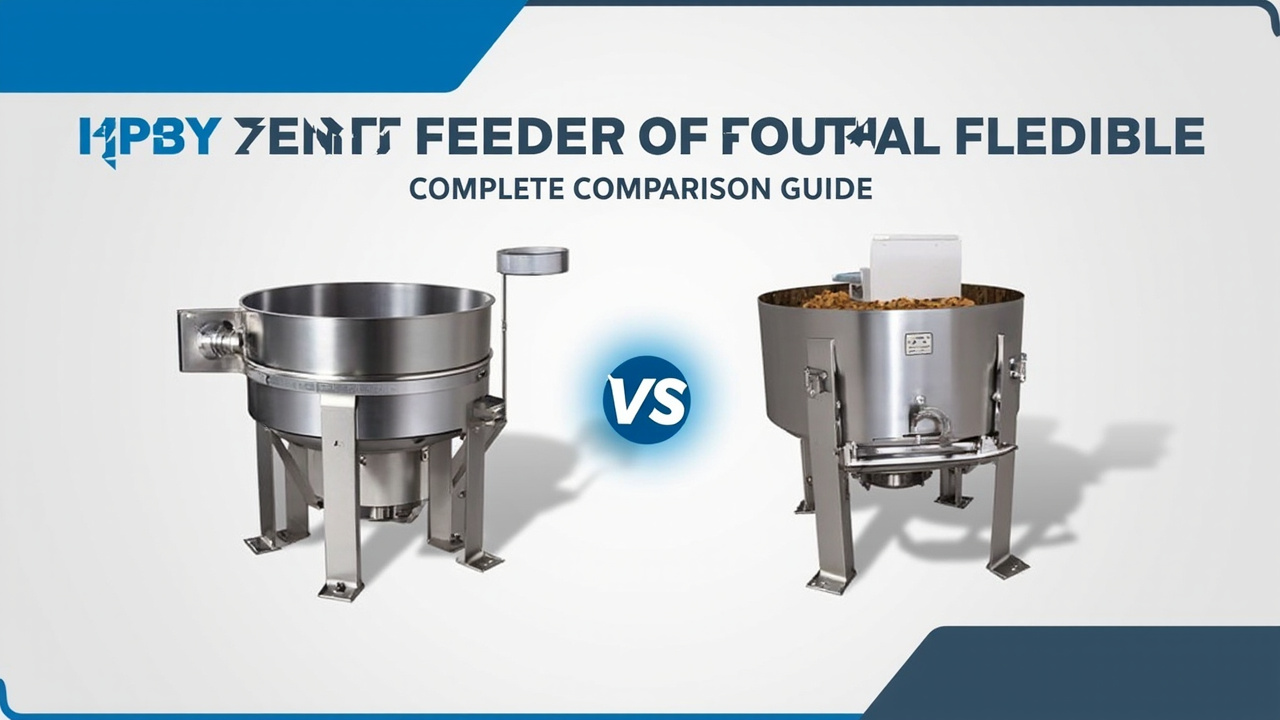
Flexible Vibratory Feeder vs Standard Bowl Feeder: Complete Comparison Guide
10 min read
Future of Automated Parts Feeding: AI, Robotics & Industry 4.0 Trends in 2025
10 min read