Washer Feeding System Guide 2026

Washers create trouble because flat parts hide bad states well
Washers do not look difficult until two of them leave the feeder together. Flat parts overlap quietly, move as a pair, and sometimes pass a weak mechanical check without drawing much attention. That makes washer feeding a quality problem as much as a rate problem.
The most reliable washer systems are built around separation, verification, and clean discharge timing. This guide connects with our nut feeding guide and part presence verification guide.
Why flat washers still jam advanced feeders
The biggest issue is overlap. Two washers can sit close enough together to travel like one thicker part, especially when oil film or static helps them stay together.
The second issue is stack formation near transitions. A curve, step, or baffle that works for single washers may create a pocket where doubles collect and block the track.
The third issue is downstream tolerance. Some assembly stations have no forgiveness at all. One extra washer means a height error, a torque error, or a failed clamp load.
| Washer case | Main risk | Helpful design move | Must-check output |
|---|---|---|---|
| Thin flat washer | Overlap | Multi-stage baffle control | Double-delivery rate |
| Spring washer | Unstable presentation | Shape-specific track support | Exit repeatability |
| Oily washer | Sticking and sliding | Surface and cleaning review | Drift over runtime |
| Large washer | Bounce at transitions | Gentler track geometry | Handoff consistency |
What feeder concept usually works best
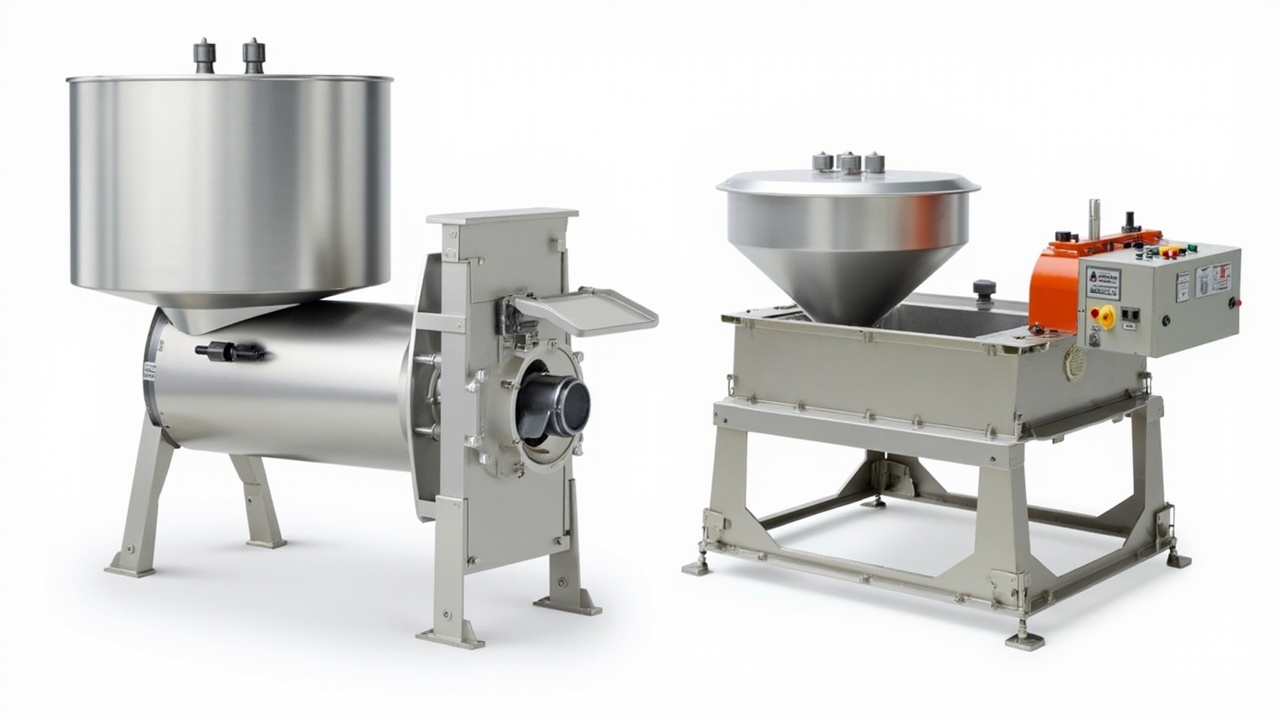
For one washer type and stable demand, a standard bowl feeder with strong separation tooling is still the practical choice. The key is not the bowl itself. It is the quality of the anti-overlap sections and the final verification.
If washers vary widely in diameter or thickness, change parts may become more trouble than they are worth. A flexible solution or tray presentation can help, but only if the cycle time allows it.
Many teams get the best result from combining bowl feeding with a short inspection or reject station right before the escapement.
Rules that improve washer feeding quickly
- Treat double delivery as the main defect. That keeps the design priorities honest.
- Use more than one separation point. One baffle is often not enough.
- Keep the last 200 mm calm. Flat parts misbehave most when the exit is rushed.
- Verify after separation. Mechanical separation alone is rarely the full answer.
A washer feeder that looks slightly conservative is often the one that survives production.
How to validate washer-feeder performance
Count good single deliveries over a long sample, not just total parts moved. For washer systems, the defect mode is usually hidden inside the total count.
Review performance after cleaning intervals as well. Oil, dust, and wear can shift the gap settings enough to change double-feed behavior during the shift.
If a vision or height sensor is used, verify false rejects and missed doubles separately. A high-reject sensor can create its own production problem.
Buyer checklist before requesting a quote
- Send washer thickness and outer diameter data. Both shape the separation design.
- State whether doubles are allowed to be rejected or must be prevented entirely.
- Describe oil, burr, and finish condition. Those details matter more than many buyers expect.
- Include the final assembly tolerance. That tells the supplier how strict the verification must be.
Huben Automation reviews washer projects around overlap control, verification logic, and calm discharge behavior. If you want help checking a washer application, send us the washer data and quality requirement.
Ready to Automate Your Production?
Get a free consultation and detailed quote within 12 hours from our engineering team.