Vibratory Feeders in Packaging Automation: Speed, Precision & Integration
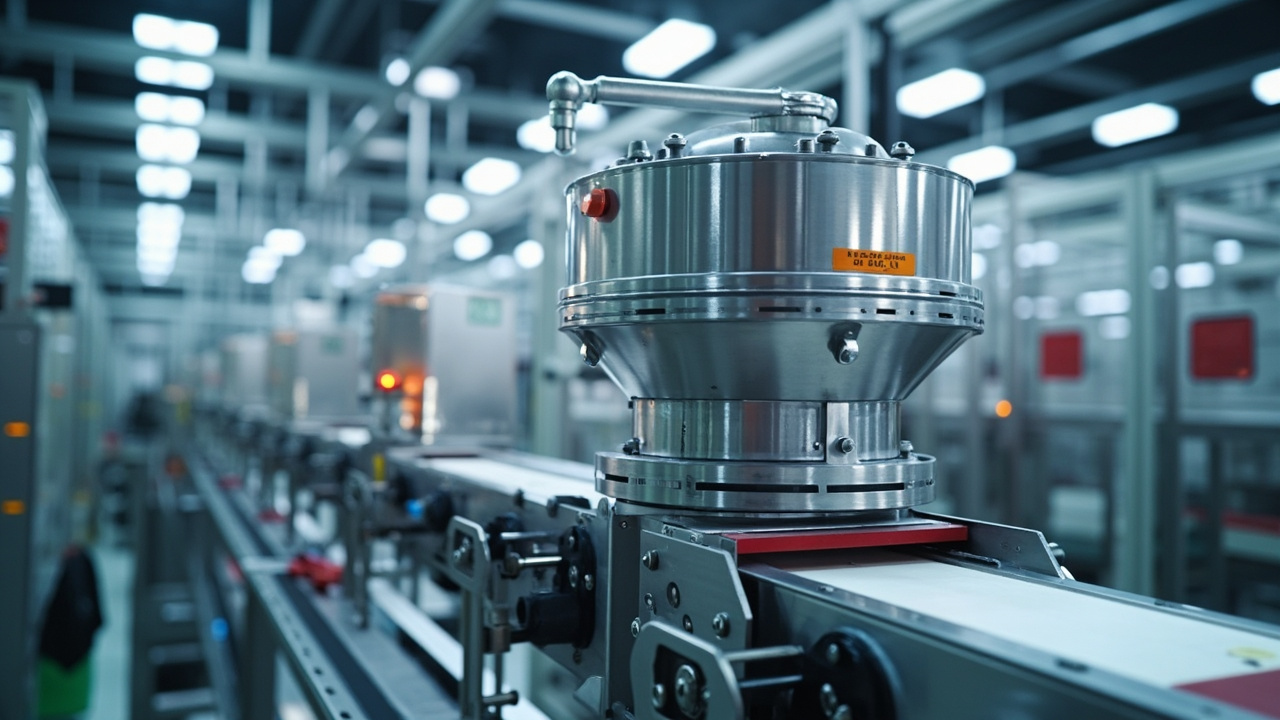
The Backbone of Automated Packaging
Modern packaging lines are marvels of engineering, capable of boxing, blistering, and bottling products at blinding speeds. But a packaging machine is only as fast as the system feeding it. If the components—whether they are pharmaceutical pills, cosmetic caps, or hardware screws—aren't delivered in the correct orientation at the precise moment they are needed, the entire multi-million-dollar line stalls.
This is where vibratory bowl feeders excel. As the primary interface between bulk bulk product and the highly synchronized packaging machinery, vibratory feeders sort, orient, count, and deliver products with up to 99.9% reliability. In this guide, we explore how vibratory feeders are integrated into various packaging automation processes and the specific engineering challenges they solve.
High-Speed Counting and Batching
One of the most common applications for vibratory feeders in packaging is counting and batching. From hardware kits containing an exact number of screws and washers to gummy vitamin bottles, accuracy is paramount. A single missing piece leads to customer complaints, while an extra piece slowly eats away at profit margins.

How It Works
- Singulation: The bowl's tooling forces bulk items into a strict single-file line with controlled spacing between each part.
- Optical Detection: As parts drop off the end of the linear feeder track, a high-speed optical sensor or light curtain registers each item.
- Divert Gates: Once the target count (e.g., 50 pieces) is reached, a pneumatic divert gate instantly snaps shut, directing the next falling parts into a holding buffer while the completed batch drops into the package.
The Huben Advantage
For high-speed counting applications, Huben Automation engineers custom multi-track linear feeders. By splitting the flow into 4, 8, or even 12 parallel tracks, we can achieve counting speeds of over 5,000 parts per minute while maintaining absolute precision.
Integration with Blister Packaging
In the pharmaceutical and consumer goods industries, blister packaging requires parts to be placed into molded plastic cavities at extremely high speeds. The challenge here isn't just speed, but orientation. A capsule or a battery must face the correct direction to drop neatly into its blister pocket.

Overcoming Blister Packaging Challenges
- Multi-Lane Delivery: Blister webs are wide, often requiring 10 to 20 parts to be dropped simultaneously. Vibratory bowls feed a manifold that splits the single line of oriented parts into multiple tubes or tracks, perfectly aligned with the blister cavities.
- Sanitary Requirements: For medical and pharma applications, the feeder must be constructed of 316L stainless steel with mirror-polished, crevice-free welds to meet strict FDA and GMP washdown standards.
- Gentle Handling: Coated pills and fragile gel caps can easily chip or crack. By precisely tuning the vibration amplitude and using shallow track angles, we ensure gentle handling without sacrificing feed rate.
Cartoning, Capping, and Bottling
Beyond small parts, vibratory feeders are essential for handling the packaging components themselves—specifically bottle caps, spray pumps, dropper assemblies, and desiccant canisters.
Capping Machines
A rotary capping machine requires a continuous supply of bottle caps, all facing open-side down. A vibratory bowl feeder is designed with specialized wiper blades and air jets that detect an upside-down cap and safely reject it back into the center of the bowl, ensuring only correctly oriented caps make it to the capping chuck.
Desiccant Feeding
Dropping a moisture-absorbing desiccant packet into a pill bottle is a standard requirement. Because desiccants are lightweight and easily jammed, they require custom track geometries and anti-static coatings to feed reliably into the bottling line.
PLC Integration and Communication
A modern packaging feeder does not operate in isolation. It must constantly "talk" to the upstream hopper and the downstream packaging machine via the central Programmable Logic Controller (PLC).
| Sensor / Signal | Function | Benefit |
|---|---|---|
| Track Full Sensor | Tells the bowl to pause when the linear track is full | Prevents part jamming and reduces unnecessary wear |
| Bowl Low Sensor | Signals the bulk hopper elevator to drop more parts | Maintains optimal bowl weight for consistent feed rates |
| Machine Ready Signal | Syncs the final drop mechanism with the moving package | Prevents dropped parts and empty packages |
| Reject Verification | Confirms a misoriented part was successfully blown off | Guarantees 100% orientation accuracy entering the machine |
Custom Solutions for Packaging Success
Standard, off-the-shelf feeders rarely succeed in high-speed packaging environments. The nuances of part geometry, required feed rates, and machine integration demand a custom-engineered approach. At Huben Automation, we specialize in designing vibratory feeding systems specifically tailored for complex packaging lines.
Whether you are upgrading an existing cartoner or designing a new blister packaging line from scratch, our engineers will work directly with your team to deliver a reliable, factory-direct solution. Contact Huben Automation today to discuss your packaging feeder requirements.
Ready to Automate Your Production?
Get a free consultation and detailed quote within 12 hours from our engineering team.