Vibration Isolation for Bowl Feeders 2026

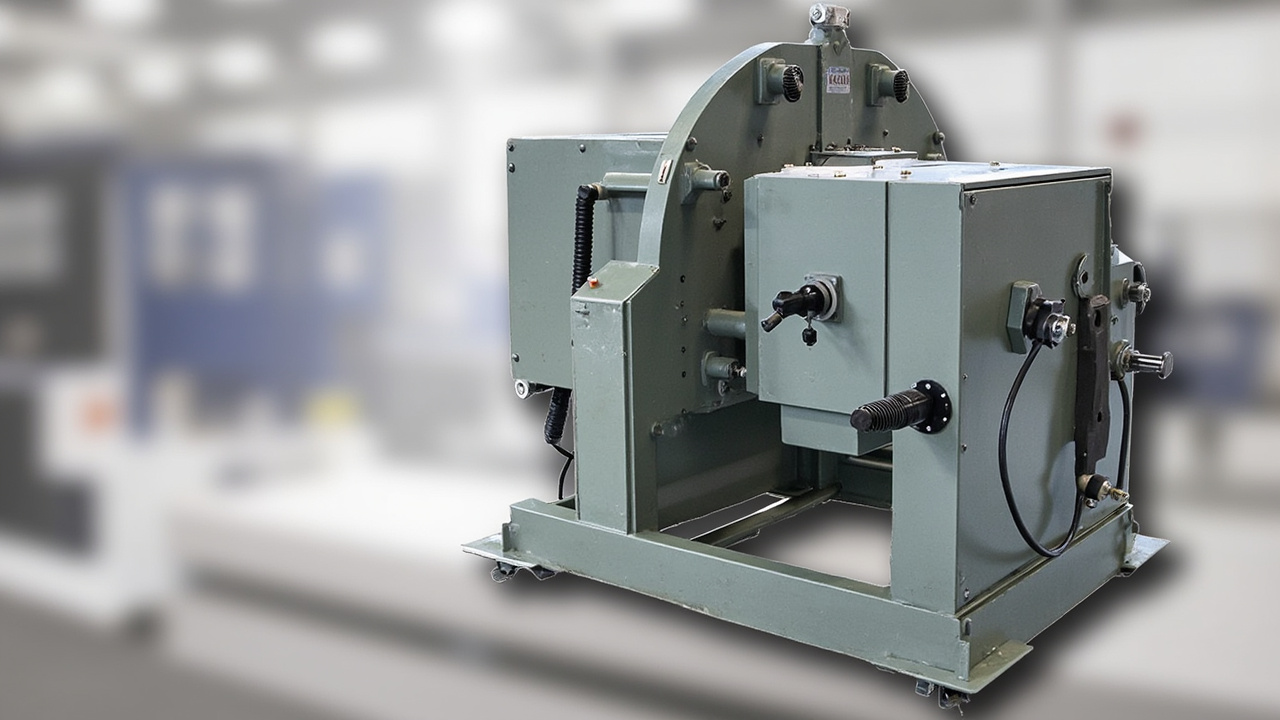
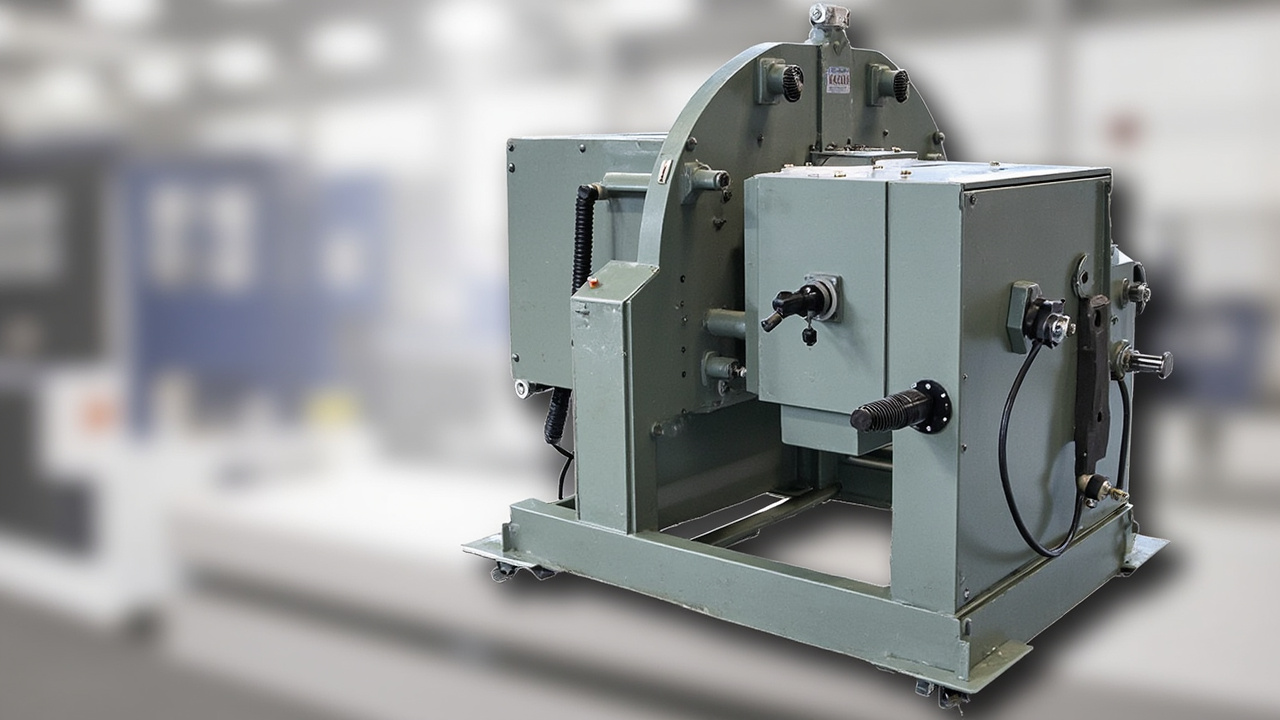
Some bowl feeders are noisy because the stand is joining the motion
When a feeder transmits vibration into the frame, guards, table, or nearby machine, the line can feel louder and less stable than the bowl design alone would suggest. That often leads people to over-tune the feeder when the real fix belongs under it, not inside it.
Isolation matters because transmitted vibration affects noise, tuning stability, and sometimes even sensor behavior nearby. This guide pairs with our noise reduction article.
What poor isolation looks like in production
One sign is broad noise from the support structure rather than the bowl itself. Another is tuning that changes after installation even though the feeder tested well on the shop floor.
Poor isolation can also make nearby sensors or light structures behave badly. Guards rattle. Frames hum. Fasteners loosen more often than expected.
The root issue is that the feeder and the support structure are interacting as one vibrating system.
| Isolation symptom | Likely cause | Better response | What to inspect |
|---|---|---|---|
| Structure-borne noise | Rigid transmission into frame | Review mounting and damping | Noise source path |
| Tuning drift after install | Base resonance interaction | Check support stiffness and isolation | Amplitude stability |
| Rattling guards | Nearby components joining motion | Decouple or reinforce local structure | Secondary vibration points |
| Loose fasteners | Chronic transmitted vibration | Reduce path and review mounting | Maintenance pattern |
How to think about mounting and isolation
Isolation is not just adding soft material under the machine. The support frame needs the right stiffness, mass, and separation strategy for the feeder size and frequency.
Too soft a mounting can create movement problems of its own. Too rigid a mounting can turn the frame into a loudspeaker.
The right answer balances stability of the feeder with separation from the surrounding structure.
Rules that improve vibration isolation
- Review the whole support path, not only the feet.
- Separate isolation goals from feeder tuning goals.
- Check nearby structures that can resonate.
- Validate after full installation, not only on a test stand.
A feeder that sounds rough after installation is often asking for a mounting review before anything else.
How to validate feeder isolation
Listen and measure at the bowl, the support frame, and nearby structures separately. That helps locate where the unwanted vibration is really spreading.
Check tuning consistency before and after installation. If the feeder changes character on the machine, the base is part of the story.
Include maintenance feedback too. Isolation problems often show up first as recurring loose hardware or guard complaints.
Buyer checklist before requesting a quote
- Share photos of the current mounting structure.
- Describe noise and vibration symptoms separately.
- State feeder size, support height, and nearby equipment.
- Include whether the issue appears only after installation.
Huben Automation reviews feeder isolation around support interaction, transmitted vibration, and post-installation tuning stability. If you want help checking a mounting problem, send us the structure photos and symptom notes.
Ready to Automate Your Production?
Get a free consultation and detailed quote within 12 hours from our engineering team.