Tray Feeding vs Bowl Feeding Guide 2026

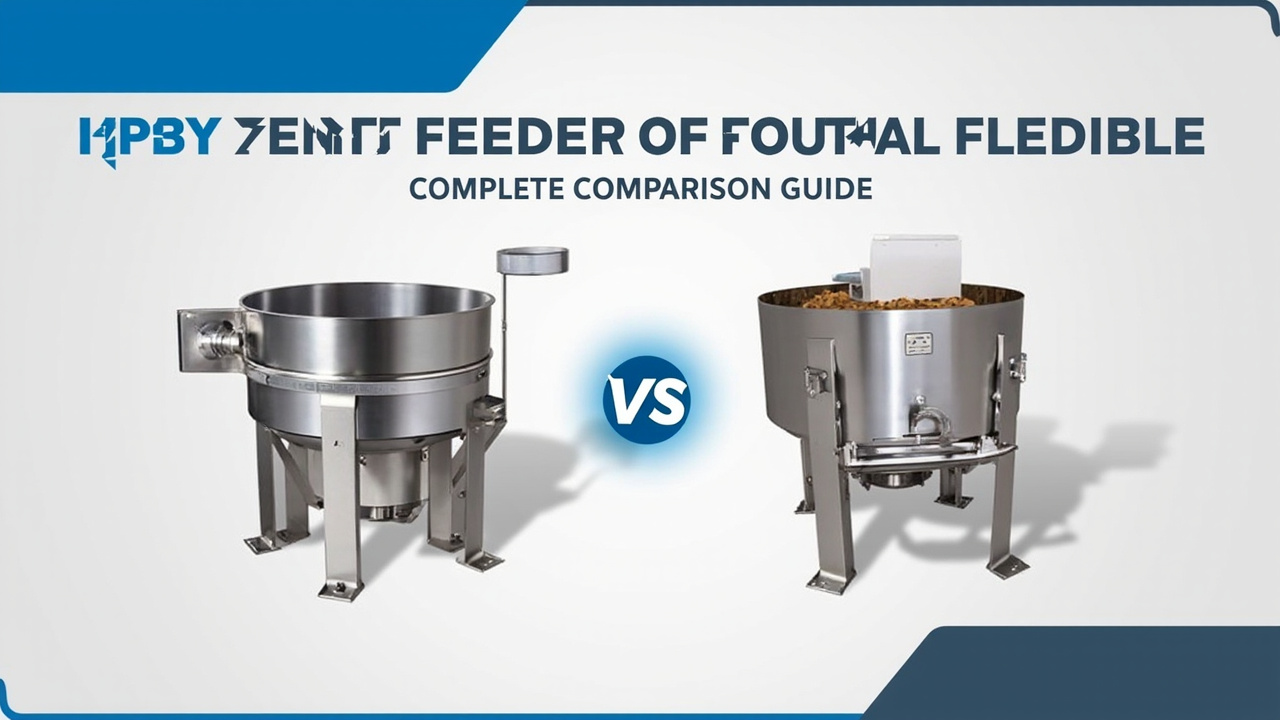
Tray feeding and bowl feeding solve different problems, even when they move the same part
Teams often compare tray feeding and bowl feeding as if one is simply cheaper and the other more flexible. That shortcut misses the real trade-off. The decision should come from changeover pattern, part sensitivity, and what the next station needs to receive.
A tray can make presentation easy and rate harder. A bowl can make throughput easy and changeover harder. This article complements our flexible feeder comparison.
What the comparison is really about
The first question is throughput. Bowl feeders usually win when a single part type must run continuously at solid rate.
The second question is control of presentation. Trays win when the part is delicate, already organized, or must preserve a very specific pose.
The third question is labor and changeover. Trays can make variant changes easier, but only if tray handling and replenishment fit the factory well.
| Decision factor | Tray feeding | Bowl feeding | Best fit |
|---|---|---|---|
| Single-part high volume | Usually weaker | Usually stronger | Bowl |
| Delicate part handling | Often stronger | Case dependent | Tray |
| Frequent variant change | Often easier | Usually harder | Tray or flexible |
| Compact automatic supply | More limited | Usually stronger | Bowl |
How to make the choice without oversimplifying it
If the line runs one stable part for long periods and needs continuous supply, bowl feeding usually remains the practical answer. It is compact and strong on repetitive volume.
If the parts are highly cosmetic, fragile, or frequently changed, trays may reduce risk even if they shift more effort to loading and logistics.
Some lines do best with both: trays for sensitive or premium parts, bowls for robust repetitive components.
Rules for making a better comparison
- Compare total operating effort, not only equipment price.
- Count replenishment labor honestly.
- Use the real part-protection requirement.
- Validate with the actual downstream interface.
The right answer usually becomes clear once the factory’s real rhythm is part of the discussion.
How to validate tray and bowl options fairly
Measure usable output at the station, not only internal feeder speed. A tray system can look slower but still fit the station perfectly. A bowl can look faster and still create pick instability.
Check operator load, refill frequency, and changeover time. Those items often decide the long-term winner.
If cleanliness or cosmetic handling matters, compare part condition after a meaningful production run, not after a few sample cycles.
Buyer checklist before requesting a quote
- State whether the part family is stable or changes often.
- Describe replenishment limits and operator availability.
- Call out cosmetic or handling restrictions clearly.
- Include target rate at the actual process station.
Huben Automation reviews tray and bowl choices around total operating burden, part condition, and usable station output. If you want help comparing part-delivery methods, send us the part details and production pattern.
Ready to Automate Your Production?
Get a free consultation and detailed quote within 12 hours from our engineering team.