Traceability in Parts Feeding Lines 2026
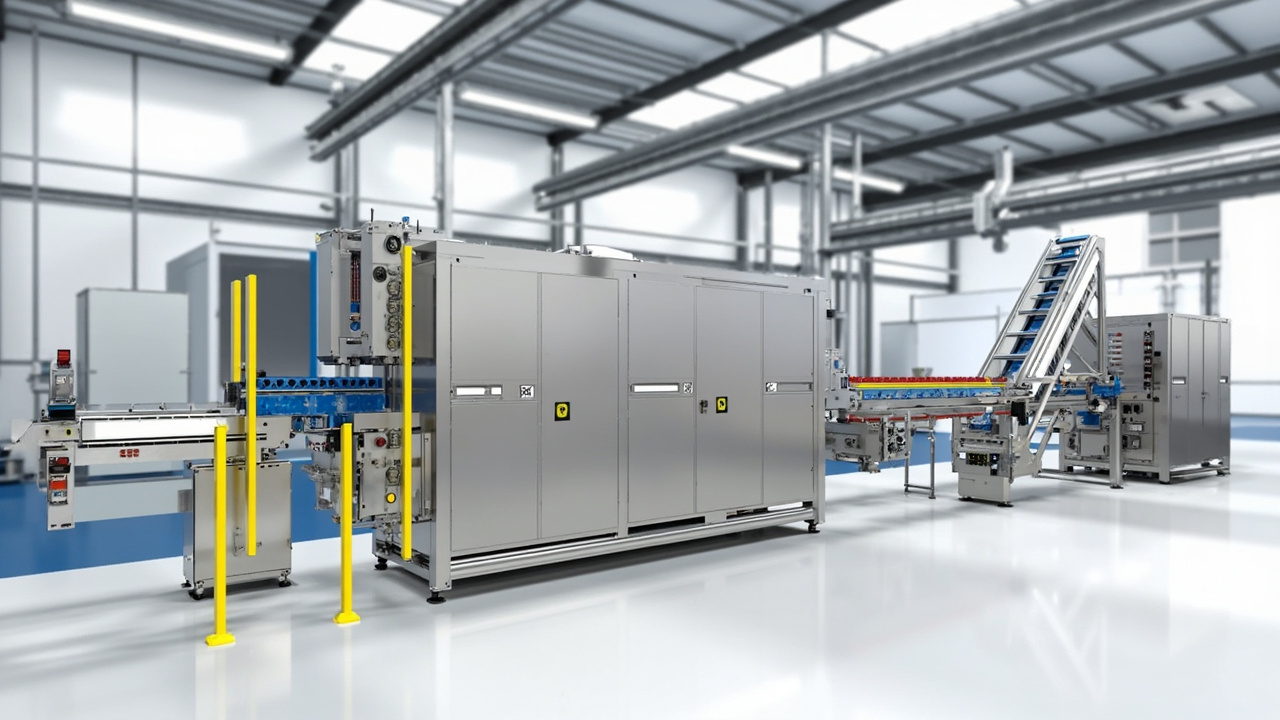
Traceability becomes useful when it links the feeder to the part lot and the station event
Teams often talk about traceability in broad terms, but feeding lines need something more practical. They need to know which part lot was loaded, which feeder or recipe handled it, what station used it, and what happened when a defect or stoppage appeared later. Without that chain, traceability stays abstract.
Feeding systems do not need a huge digital stack to become more traceable. They need the right few links in the process. This article pairs with our PLC integration guide and runoff report guide.
Why feeding-line traceability is often weaker than people assume
The first gap is material identity. If the plant cannot tie a lot, reel, tray, or tote to the feeder that ran it, later investigation becomes guesswork.
The second gap is setup identity. A lot number alone is not enough if the line also needs to know which recipe, feeder, or tooling state handled that material.
The third gap is event linkage. If a station alarm, reject, or field issue cannot be traced back to the feeding context, the data is present but still not very useful.
| Case | Main risk | Design focus | What to verify |
|---|---|---|---|
| Wrong lot loaded | Material mix-up | Lot or UID binding at load | Load verification history |
| Wrong recipe on feeder | Setup mismatch | Tie recipe ID to run record | Changeover trace |
| Field failure later | Poor root-cause speed | Link lot, feeder, and station event | Genealogy completeness |
| Manual line with low visibility | Hidden operator error | Simple scan or confirmation step | Error-prevention effectiveness |
What practical feeder traceability usually looks like
At the simplest level, the line records which material lot was loaded into which feeder or station. That alone is already more useful than a memory-based process when issues appear later.
A stronger setup also logs the active recipe or feeder configuration. That helps the team distinguish material issues from setup issues during root-cause review.
The most valuable traceability links those feeder events to real downstream outcomes, such as rejects, station faults, or finished-goods genealogy. That is where the data becomes operational rather than decorative.
Rules for better feeding-line traceability
- Start with the few identifiers the plant will actually use. Too much data with no workflow is not helpful.
- Bind material and feeder setup together. Lot data alone does not explain enough.
- Link feeder events to station outcomes where possible. That is what turns traceability into a diagnostic tool.
- Keep the operator step simple. Complex manual logging tends to decay fast.
Feeder traceability does not have to be elaborate to be useful. It just has to connect the right dots for the way the line actually runs.
How to validate traceability on a feeding line
Run a simple retrieval test. Pick one lot or one station event and check whether the team can reconstruct what feeder, recipe, and run condition were involved. If that takes too long, the system is not mature yet.
Include changeovers and material replenishment in the test. Those are common moments where traceability breaks even when normal production looks fine.
Review how the traceability data will be used during actual troubleshooting. Good records are only useful if the maintenance, quality, or process team can reach them quickly.
Buyer checklist before requesting a quote
- State whether lot-level or unit-level traceability is required.
- Describe how material is loaded today.
- Ask how feeder setup identity is recorded.
- Define which downstream events need to be linked back to feeding. That sets the right scope.
Huben Automation reviews feeder traceability around practical lot binding, setup identity, and useful linkage to station events. If you want help checking traceability on a feeding line, send us the current process map and control requirements.
Ready to Automate Your Production?
Get a free consultation and detailed quote within 12 hours from our engineering team.