Poka-Yoke in Parts Feeding Lines: Mistake-Proofing Orientation, Presence, and Changeover
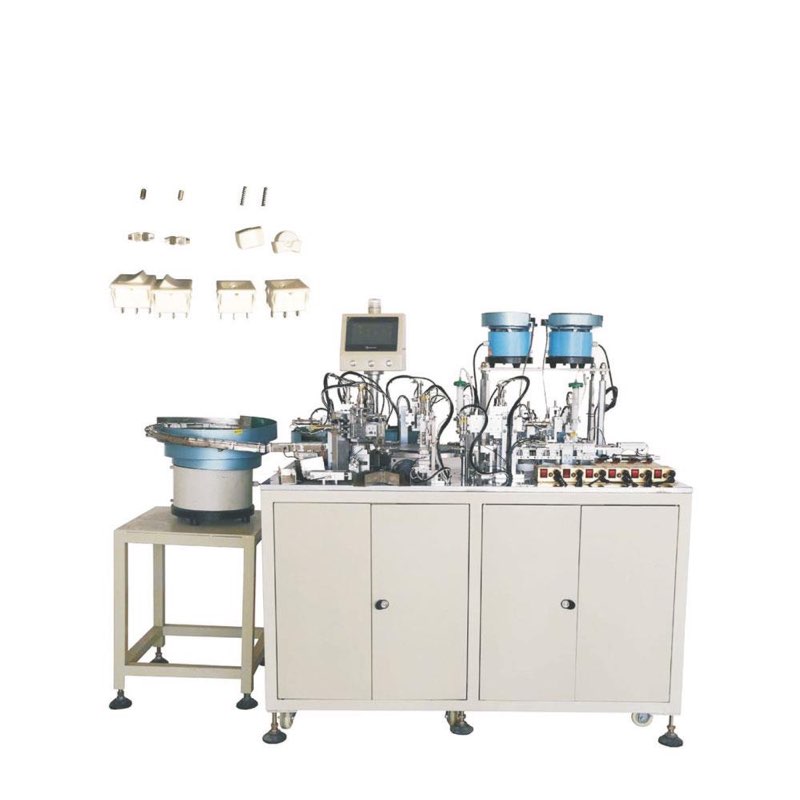
Why feeding errors are good candidates for mistake-proofing
Parts feeding systems create a high number of repeat decisions: is the part present, is it the right orientation, did the previous part clear, is this the correct recipe, did the changeover really reset all critical points. Those repeated decisions are exactly where poka-yoke thinking helps. Instead of relying on operator memory or downstream recovery, the feeder cell can be designed to block, detect, or expose common errors before they spread into rework or downtime.
Good mistake-proofing in a feeder line is not limited to sensors. It can include mechanical keying, color-coded change parts, part-family segregation, software interlocks, and setup confirmation steps that remove ambiguity. This article connects with our part presence verification guide, recipe management article, and changeover reduction guide.
Where poka-yoke has the biggest return in feeder cells
Most feeder-line defects repeat in a small number of places, which makes them highly suitable for simple mistake-proofing.
| Failure mode | Typical poka-yoke method | Benefit | What to watch |
|---|---|---|---|
| Wrong orientation at handoff | Presence or orientation verification plus keyed nest | Stops bad presentation early | Avoid creating false rejects |
| Mixed or wrong part loaded | Part-family segregation and keyed change parts | Prevents recipe mismatch | Keep loading workflow simple |
| Missed reset after changeover | Setup confirmation checklist or interlock | Reduces startup scrap | Do not bury the operator in prompts |
| Double release or trapped previous part | Escapement confirmation sensor | Protects downstream station timing | Validate under vibration and real cycle time |
How to choose the right level of mistake-proofing
Start with the defects that are expensive, frequent, or hard to detect later. If a wrong orientation immediately crashes the next station, that deserves a stronger control than a defect the line can safely reject later.
Use the simplest reliable poka-yoke first. A keyed mechanical feature or a color-coded change part can sometimes eliminate an entire category of software troubleshooting. More sensors are not automatically better if they make setup confusing or add fragile recovery paths.
Review the feeder cell as a sequence, not as isolated devices. A sensor may verify part presence perfectly but still allow the wrong recipe, the wrong track, or the wrong escapement setting to stay in place. Mistake-proofing works best when the controls, mechanics, and operator workflow are designed together.
Rules for practical feeder-line poka-yoke
- Target the defects that are frequent, costly, or difficult to contain downstream.
- Prefer simple mechanical or workflow-proofing before adding complicated logic.
- Keep recovery clear so the operator knows how to restart safely.
- Review changeover mistakes separately from in-cycle production mistakes.
How to validate mistake-proofing
Challenge the line with realistic error cases: wrong recipe selection, incomplete reset, double part, missed part, or mixed part. Validation should prove the control catches the problem without creating unnecessary nuisance stops.
Measure operator response as part of the test. A poka-yoke that technically works but confuses the operator during recovery may still hurt output.
Our sensor selection guide and robot pick zone article help define where those controls should live physically.
Checklist for mistake-proofing feeder projects
- List the top feeder-related defects by cost, risk, and frequency.
- Decide which errors should be prevented mechanically and which should be detected electronically.
- Confirm the operator recovery path for each interlock or alarm.
- Test error cases during FAT or SAT instead of assuming they will be handled later.
Huben Automation reviews poka-yoke around real production failure modes, not generic automation slogans. If you want help mistake-proofing a feeder line, send us the defect list, changeover flow, and station layout.
Ready to Automate Your Production?
Get a free consultation and detailed quote within 12 hours from our engineering team.