Optical Sorting and Feeding Integration 2026
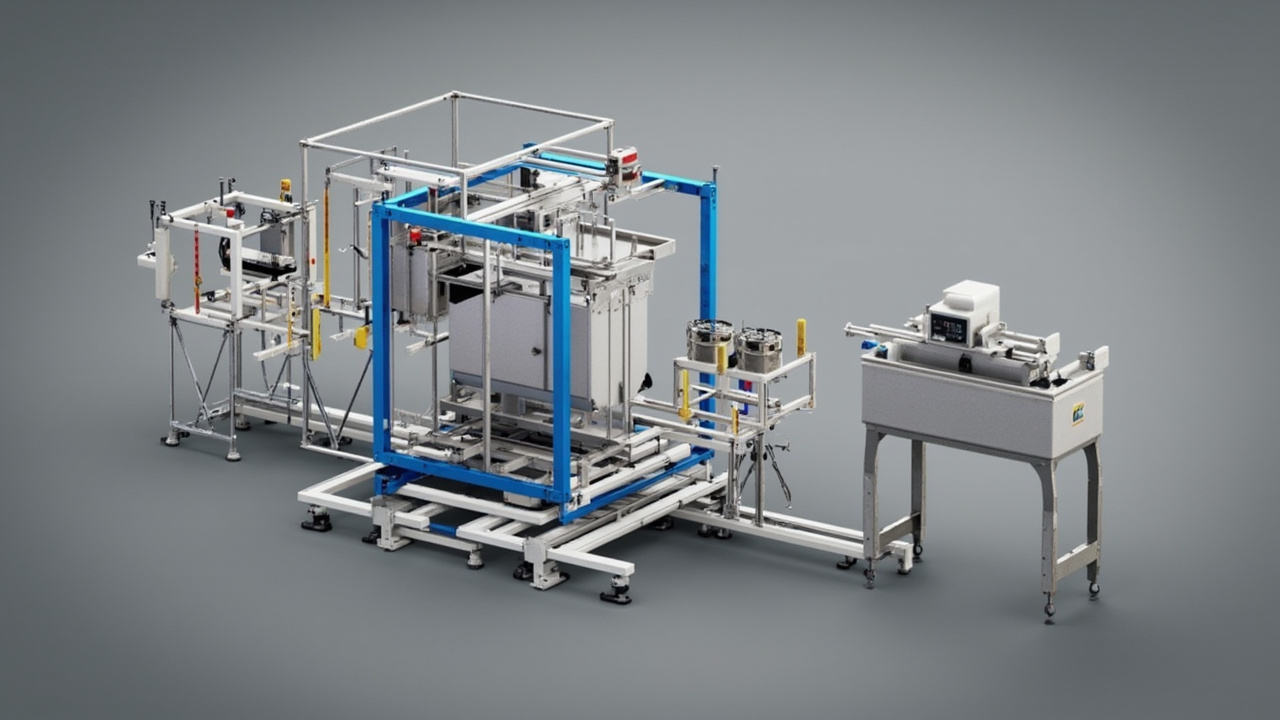
Optical sorting and parts feeding should be treated as one process when the defect risk is high
Some lines rely on the feeder to deliver a stable stream and expect the station or vision system to catch the rest. Others sort parts before the feeder ever sees them. The right answer depends on what defect the line can tolerate and what the feeder can realistically control by itself.
That is why vision and feeding should be designed together when orientation, cosmetic quality, or wrong-part risk is high. This article pairs with our part presence verification guide and sensor selection guide.
Where feeding and optical sorting often clash
The first issue is role confusion. Teams sometimes expect the feeder to solve a defect the camera should inspect, or expect the camera to rescue a feeder concept that never had enough orientation margin in the first place.
The second issue is timing. Sorting during a fast-moving feed path is harder than sorting at a calm verification point, but moving the camera too late can waste cycle time or let bad parts travel too far.
The third issue is reject handling. An inspection result only helps if the system can remove the bad part without disrupting the good flow.
| Case | Main risk | Design focus | What to verify |
|---|---|---|---|
| Wrong orientation risk | Feeder and camera overlap poorly | Define prevention vs detection roles | Escape rate by defect type |
| Cosmetic defect risk | Camera placed too late | Sort at a calm visible point | Inspection confidence |
| Mixed lots or wrong parts | No identity control | Combine traceability and inspection | Material-mixup prevention |
| High-speed line | Timing margin is tight | Keep the sort point deliberate | Cycle-time impact |
How to place optical sorting in a feeding system
Sorting before feeding can make sense when the incoming material has strong variation or contamination risk. That removes bad parts before they burden the bowl and the station.
Sorting during the feeder path works when there is one calm, visible location where the part state is meaningful and the reject path is clean. This often gives the best balance between speed and usefulness.
Sorting at the final station makes sense when readiness depends on the exact release pose. It is later, but sometimes that is the first point where the line can truly judge whether the part is usable.
Rules for better optical-sorting integration
- Define which defects the feeder should prevent. Do not leave this vague.
- Put inspection where the part state is readable. A bad camera location creates false confidence.
- Design the reject path together with the inspection point. Detection alone does not solve the problem.
- Measure inspection impact on cycle time. Some checks belong upstream for that reason alone.
The best feeding-and-vision systems are usually very clear about the division of labor. Confused systems waste time by checking the wrong thing in the wrong place.
How to validate optical sorting on a feeder line
Test known good parts, known bad parts, and realistic borderline cases. Inspection logic is only useful when the team knows what it catches and what it still misses.
Measure how rejection affects good-part flow. A reject event that shakes the queue or delays the next good part may still hurt line performance.
If the station uses a robot or precision nest, validate whether the camera is judging the same readiness condition that the station actually needs.
Buyer checklist before requesting a quote
- State the exact defect the camera must detect.
- Describe whether the feeder is expected to prevent or only present for inspection.
- Share the acceptable false-reject and escape risk.
- Ask how bad parts leave the line after detection. Reject handling should be part of the concept.
Huben Automation reviews sorting-and-feeding integration around defect ownership, camera placement, and reject-path stability. If you want help checking where optical sorting belongs in a feeder line, send us the defect examples and station sequence.
Ready to Automate Your Production?
Get a free consultation and detailed quote within 12 hours from our engineering team.