Nut Feeding System Guide 2026

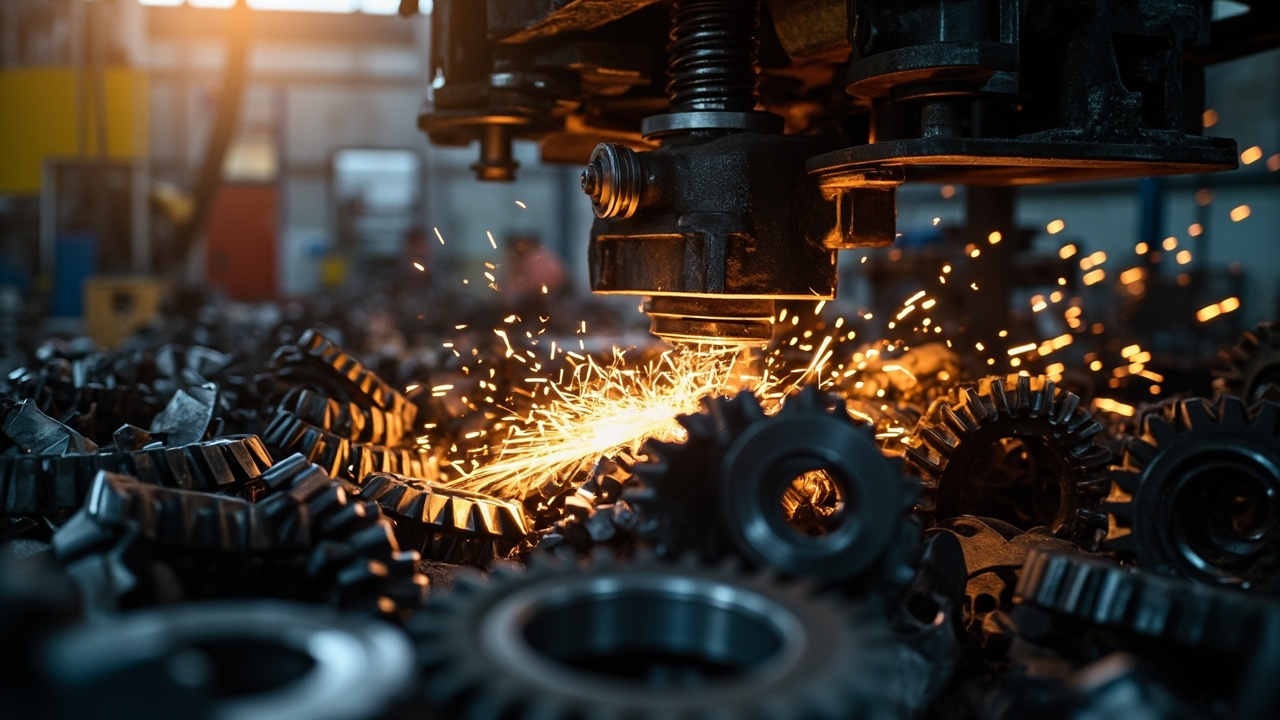
Nut feeding starts with one problem that keeps returning, nesting
Nuts look simple on paper, but they are one of the easiest parts to underestimate in automated feeding. The internal thread lets one nut sit partly inside another, so a bowl that looks stable at low fill can start double-feeding or blocking once production load rises.
That is why a nut feeder should be judged on separation before it is judged on speed. If the system cannot keep single-part flow stable, the published ppm number means very little. This article works well alongside our washer feeding guide and sensor selection guide.
Why nuts are harder than many buyers expect
The first issue is nesting. Thin nuts and fine-thread nuts can ride together long enough to bypass a weak separation station. The second issue is orientation. Even when the downstream process does not care about face direction, it still cares about one part at a time, at a predictable release point.
The third issue is contamination and finish condition. Oily nuts from machining or plating lines often slide differently from dry sample parts. If the supplier tuned the tooling on clean samples only, the runoff can look better than the real factory result.
| Nut case | Main feeder risk | What usually helps | What to verify |
|---|---|---|---|
| Thin jam nuts | Nesting and overlap | Multi-stage separation | Single-part release stability |
| Standard hex nuts | Stacking under load | Baffle and drop checks | Performance at full bowl level |
| Large heavy nuts | Impact and bounce | Lower amplitude and stronger track support | Exit consistency |
| Coated or oily nuts | Slip and accumulation | Surface review and cleaning access | Repeatability after long runs |
When bowl feeding works and when it needs help
A standard bowl feeder works well for one nut family when the geometry is stable and the target rate is not pushing the tooling too hard. That is still the most practical answer for many assembly lines.
If several nut types must run on the same line, or the project faces frequent product changes, a flexible feeder or a modular escapement can make more sense. The price is higher, but the changeover burden can drop sharply.
Some teams also benefit from a hybrid setup: the bowl handles bulk singulation, while a short verification and escapement section protects the handoff to the next station.
Rules that make nut feeding easier to live with
- Test with production-condition parts. Clean lab samples do not tell the whole story.
- Review nesting first, not last. It is the defect most likely to hide during short demos.
- Keep tooling accessible. Nut systems often need cleaning and small adjustments.
- Measure stability over time. Ten good minutes can hide a long-run problem.
In practice, the best nut feeder is usually the one that stays boring during a long shift. No surprises, no double parts, no operator workarounds.
How to validate a nut feeder before signoff
Run the system at the real fill window, not only at an ideal halfway level. Check whether stacked parts appear more often after refill, because that is where many nut feeders start to drift.
Validate the discharge with the actual escapement or pick point in place. A feeder can look fine by itself and still hand off poorly once a cylinder, stop gate, or robot enters the sequence.
If your line has torque or thread-engagement checks downstream, trace any bad events back to the feeder. Double delivery and skewed presentation often show up as assembly faults first.
Buyer checklist before requesting a quote
- Send the real nut family and size range. Similar-looking nuts can behave very differently.
- State the allowed double-feed risk. Some lines can reject; some cannot.
- Describe oil, plating, or debris conditions. Surface condition changes the feeder quickly.
- Include the next process step. Tightening, insertion, and inspection each need a different discharge style.
Huben Automation reviews nut feeding projects around nesting control, realistic discharge behavior, and maintenance access. If you want help checking a nut application, send us the nut sample, output target, and next-step details.
Ready to Automate Your Production?
Get a free consultation and detailed quote within 12 hours from our engineering team.