Metal Insert Feeding for Overmolding 2026

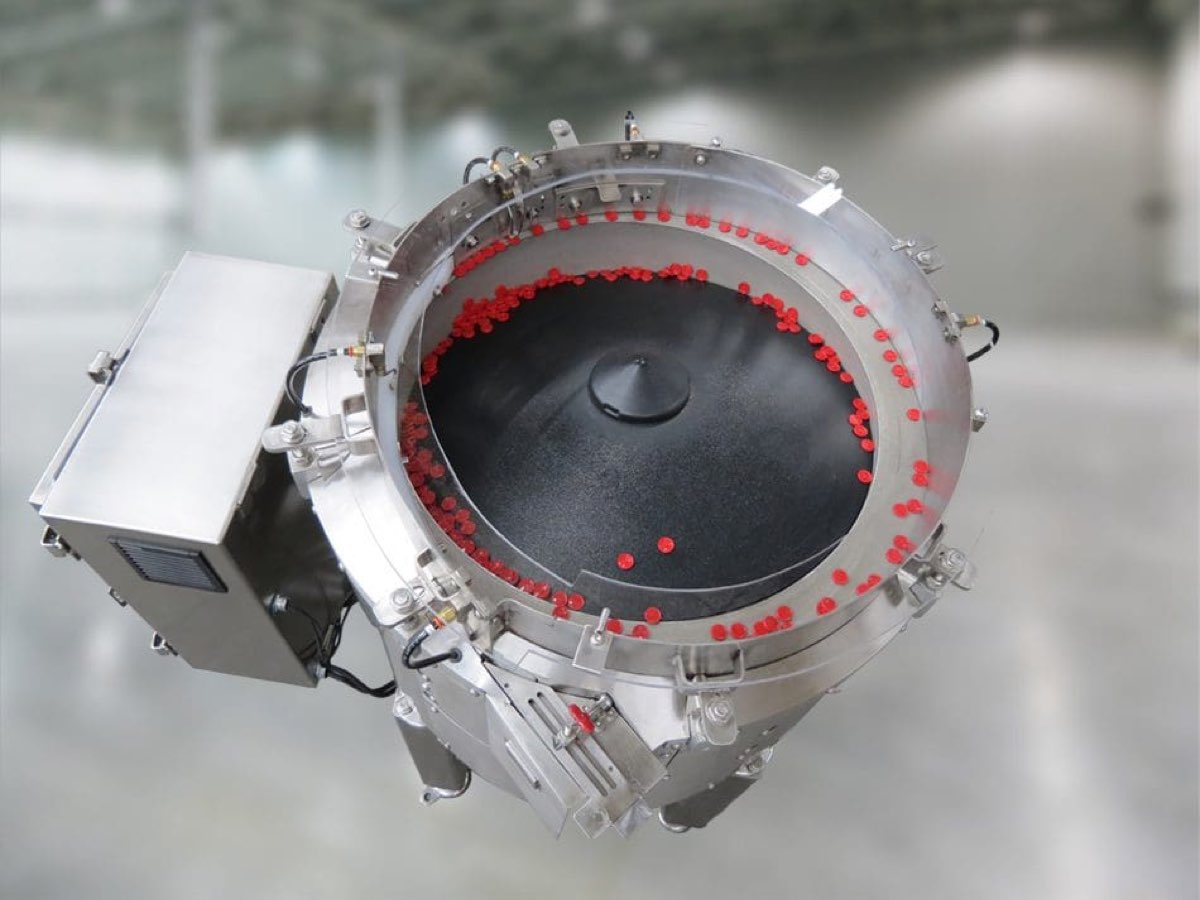
Overmolding lines need the feeder to support the mold, not just supply parts
Metal insert feeding for overmolding or insert molding is not just a bulk-handling task. The feeder must deliver the insert in a state that matches mold timing, robot pickup, cavity orientation, and cleanliness requirements. If the insert arrives with even slight pose variation, the molding cycle can slow down or stop. If contamination is poorly controlled, the molding process can absorb the risk long before the feeder gets blamed.
That is why insert-feeding decisions for molding lines should be made with the mold process in mind from the start. The feeder, robot, nest, and mold all share the same tolerance budget. This guide works alongside our threaded insert feeding article, plastic parts feeding guide, and robot pick zone guide.
What usually drives insert-molding feeder design
The molding station decides how strict the feeder handoff must be.
| Case | Main risk | Design focus | What to verify |
|---|---|---|---|
| Threaded insert for molded housing | Wrong orientation into cavity | Positive orientation feature | Robot pickup accuracy |
| Small stamped insert | Bounce or double pick | Calm release and queue control | Single-part pickup |
| Oily machined insert | Contamination risk | Part cleanliness and contact review | Mold-side acceptability |
| Multi-cavity mold line | Cycle mismatch | Buffer and pickup timing | Stable handoff at takt |
How to choose the feeder concept
A dedicated bowl feeder is often appropriate when the insert family is stable and the mold process demands repeatable high-volume supply. The critical issue is whether the feeder can preserve a tight enough pickup pose without creating contamination or part damage.
If the insert family changes often or the mold uses several part variants, modular tooling or a verification stage may save more time than an overly rigid bowl path. Overmolding projects become expensive when mold-side changeover exposes feeder assumptions that were never challenged during quotation.
The final pickup zone deserves special attention. In many molding projects, the feeder is not really judged by bowl output. It is judged by whether the robot can place inserts into the cavity without hesitation or compensation.
Rules that improve insert-molding feeder projects
- Define the mold-side pickup and placement tolerance before finalizing the feeder concept.
- Treat contamination and insert condition as part of feeder validation.
- Use buffer and release logic that supports the molding cycle rather than fighting it.
- Validate changeover and variant handling if the mold family is mixed.
How to validate the application
Test the feeder with the real pickup device and the real placement requirement whenever possible. A free-release demo is not enough for insert molding.
Review cleanliness, queue stability, and recovery after stop-start. Mold cycles are unforgiving when the insert supply becomes inconsistent even for a short period.
This article also pairs well with our buffer management guide and cycle time balancing article for line-level timing review.
Buyer checklist before quotation
- Provide the pickup pose and mold placement requirement clearly.
- State whether cleanliness or contamination control affects molding quality.
- List cavity count, takt target, and whether buffer is required.
- Describe variant count and how often inserts change by mold or product.
Huben Automation reviews overmolding insert feeders around mold-side pickup quality, cleanliness, and cycle stability. If you want help checking an insert-molding project, send us the insert sample, mold sequence, and takt target.
Ready to Automate Your Production?
Get a free consultation and detailed quote within 12 hours from our engineering team.