Linear Vibratory Feeder vs Bowl Feeder: Choosing the Right Feeder Type
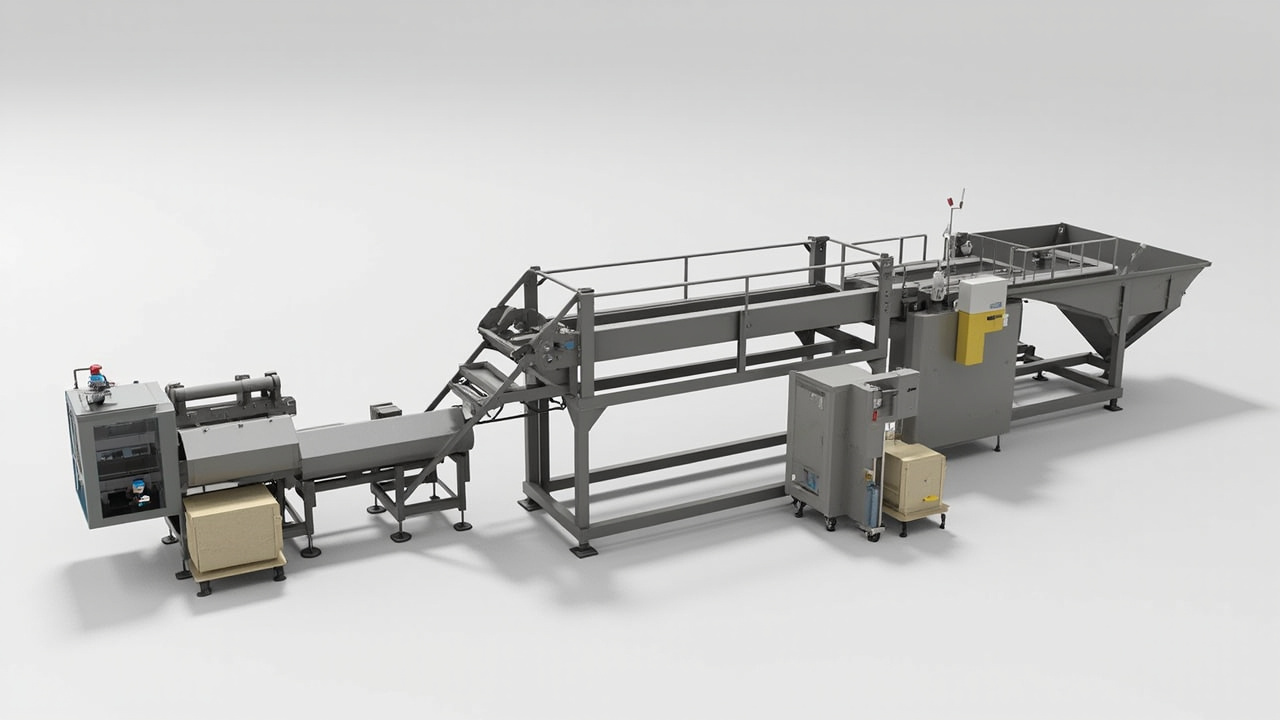
Linear Vibratory Feeder vs Bowl Feeder
One of the earliest decisions in automated parts feeding is choosing between a linear vibratory feeder and a bowl feeder. They serve fundamentally different roles: linear feeders transport, bowl feeders orient. Selecting the wrong one leads to poor performance and unnecessary cost.
How Linear Vibratory Feeders Work
A linear vibratory feeder uses electromagnetic vibration to move parts along a straight, flat track. Parts maintain their existing orientation as they move — the feeder does not reorient them. Key characteristics: straight track, inline feeding, simple tooling (track width and guide rails), compact narrow footprint, and adjustable speed.
Huben Expert Tip
Regular maintenance is key. Implementing a weekly cleaning schedule for your feeder tracks can extend the equipment's lifespan by up to 40% and prevent unexpected jamming.
How Bowl Feeders Work
A vibratory bowl feeder applies vibration to a spiral track inside a bowl. Parts climb the spiral, encountering custom tooling — selectors, wipers, air jets — that sorts and orients them. Key characteristics: spiral track, full orientation capability, bulk loading of randomly oriented parts, complex custom tooling, larger circular footprint.
Key Differences
| Feature | Linear Vibratory Feeder | Bowl Feeder |
|---|---|---|
| Primary function | Transport / conveyance | Orientation + singulation |
| Track type | Straight, flat track | Spiral track inside a bowl |
| Orientation capability | None — maintains existing | Full — orients random bulk |
| Part loading | Pre-oriented, singulated | Bulk, randomly oriented |
| Footprint | Narrow, elongated | Circular, larger diameter |
| Typical feed rate | 100–300+ ppm | 30–200 ppm |
| Tooling complexity | Low | High |
| Cost | Lower | Higher (custom tooling) |
| Maintenance | Low | Moderate |
| Changeover ease | Easy | Complex — tooling change |
When to Choose a Linear Feeder
- Parts are already oriented — an upstream process has established correct attitude
- Transfer between stations — moving parts from one operation to the next
- Conveyance only — no orientation, selection, or singulation needed
- Floor space is limited — slim profile fits where a bowl cannot
- High feed rates for simple transport — no orientation bottleneck
When to Choose a Bowl Feeder
- Parts need orientation — must exit in a specific, repeatable attitude
- Bulk parts must be singulated — one at a time output
- Self-contained feeding system — bulk load in, oriented parts out
- Complex part geometry — asymmetric features require custom tooling
- Multiple part attitudes needed — different orientations for different processes
Combined Systems: Bowl Feeder + Linear Track
The most effective feeding systems combine both: the bowl orients and singulates, the linear track conveys oriented parts to the downstream station. Advantages include optimal performance (each type does what it does best), flexible layout, buffering capacity, reduced part damage, and independent speed control.
Why Huben Automation
Huben Automation has over 20 years of experience designing both linear and bowl feeders. ISO 9001 certified quality and factory-direct pricing. Whether you need a standalone linear feeder, a custom bowl, or a complete combined system, our engineering team works with you from part analysis through testing. Contact Huben Automation to discuss your application.
Ready to Automate Your Production?
Get a free consultation and detailed quote within 12 hours from our engineering team.