Food-Grade Vibratory Feeder Guide 2026

What makes a feeder food grade
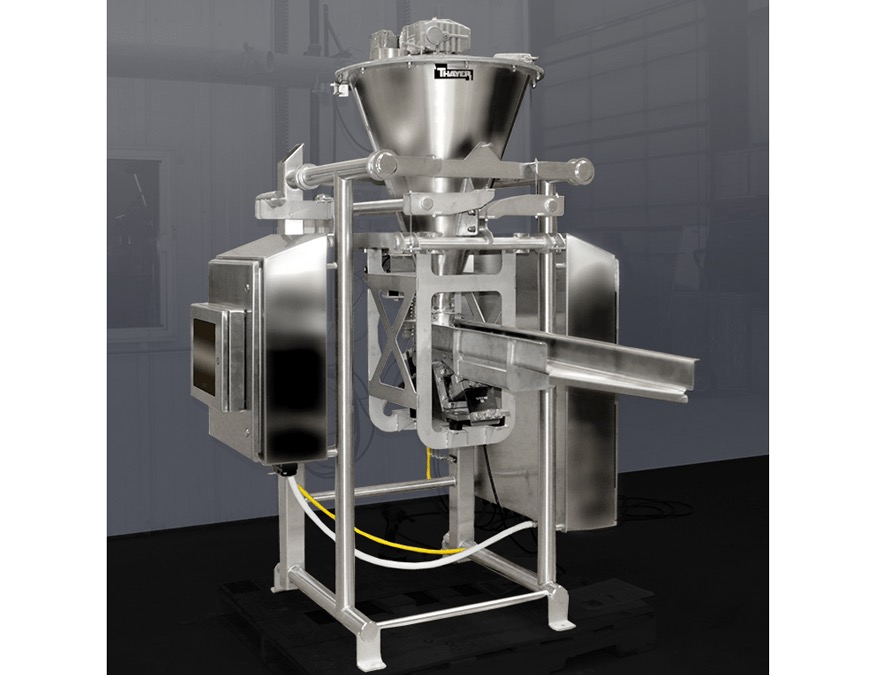
In food processing, a vibratory feeder does more than move product. It becomes part of the hygiene chain. If the feeder traps residue, sheds coating, or cannot be cleaned without half a shift of disassembly, it creates risk that is much more expensive than the original equipment price. That is why a food-grade vibratory feeder must be judged on material selection, cleanability, drainage, surface finish, and maintenance access, not only on parts per minute.
Buyers often ask whether stainless steel alone makes a feeder suitable for food contact. The short answer is no. Stainless helps, but grade, weld quality, surface finish, seals, cable routing, and cleaning method all matter. A feeder with the wrong ledges or dead zones can still hold moisture and product fines, even if every visible panel is shiny.
This guide focuses on the practical questions that come up before a purchase: when 304 is enough, when 316L is worth the premium, which surfaces should stay uncoated, how washdown changes the frame design, and what documentation you should ask a supplier to provide. If your project sits closer to regulated medical or pharma work, our pharmaceutical parts feeding guide and medical device feeding guide cover the cleaner end of the spectrum.
304 or 316L: which stainless grade should you choose
For many dry-food applications, SUS304 is still the starting point because it balances corrosion resistance, cost, and fabrication ease. It works well for ordinary environments where the product is dry, the cleaning chemistry is mild, and chloride exposure is limited. Plenty of snack, bakery, and packaged dry-goods projects run successfully on 304 frames and bowls.
316L becomes more compelling when the feeder sees salt, acidic product residue, aggressive cleaning chemicals, or frequent washdown. The lower carbon content supports cleaner weld behavior, and the added molybdenum improves resistance in harsher service. In real production, the difference shows up less in a brochure and more in how the machine ages after repeated clean-and-dry cycles.
That does not mean every component must be 316L. A sensible specification usually separates direct product-contact surfaces from supporting structure. Contact surfaces often justify 316L, while outer guards or remote supports may stay in 304 if the risk assessment allows it.
| Design choice | 304 stainless | 316L stainless | Best fit |
|---|---|---|---|
| Corrosion resistance | Good in standard dry areas | Better in chloride and repeated washdown environments | 316L for salty, acidic, or aggressive-cleaning conditions |
| Cost | Lower initial cost | Higher material cost | 304 for budget-sensitive dry applications |
| Product contact use | Common for dry foods | Preferred for higher hygiene demands | 316L for direct-contact, harder-to-clean products |
| Long-term appearance | Can tea-stain sooner in harsh washdown areas | Holds up better under frequent cleaning | 316L where appearance and corrosion margin matter |
Material choice also affects maintenance planning. A feeder that costs less on day one but stains, pits, or needs more frequent refinishing may not be the cheaper system over five years.
Surface finish, weld quality, and where contamination hides
Many contamination risks start at details that are easy to miss on a quote drawing. Rough welds catch fines. Horizontal ledges collect rinse water. Threaded fasteners placed inside the product zone create cleanability headaches. A truly sanitary feeder is usually simpler than a standard industrial design, not more complex.
On direct-contact surfaces, buyers should ask about finish level, weld blending, and whether electropolishing is available or necessary. For dry, free-flowing products, a smooth mechanically finished bowl may be enough. For sticky product, frequent allergen changeovers, or higher audit pressure, electropolished 316L surfaces can shorten cleaning time and reduce residue retention.
- Surface roughness: ask the supplier to state the target finish for product-contact areas, not just say "polished".
- Weld treatment: continuous welds that are ground and blended are easier to inspect and clean than rough intermittent seams in the product zone.
- Fastener placement: keep exposed threads and trapped joints out of the food path whenever possible.
- Open-frame design: square-tube frames can work, but open, drainable, easy-to-wipe structures are usually better for hygiene.
If your product is fragile, the finish discussion overlaps with feeding performance. A mirror-like bowl may improve cleanability but reduce traction. In those cases, the right answer is not always "make it smoother." It may be a hybrid design with polished contact zones and carefully controlled track geometry. Our materials guide explains where those trade-offs usually land.
Washdown design changes the whole machine
Once a feeder enters a regular washdown area, its requirements expand well beyond the bowl. Cable glands, sensor housings, control enclosures, mounting feet, and drain paths all need attention. A standard feeder put into a wet area often fails first at the details: trapped water under the drive, connectors that wick moisture, or frame geometry that never fully dries between shifts.
Good washdown design follows a few straightforward rules. Surfaces should shed water. Components should be accessible for visual inspection. Product-contact zones should be easy to dismantle if manual cleaning is required. If the feeder is part of an allergen changeover plan, the design should support repeatable verification, not just "best effort" cleaning.
- Specify the cleaning method early. Daily wipe-down, low-pressure rinse, foam cleaning, and full washdown are very different design cases.
- Keep drainage obvious. Flat shelves and hidden pockets are where water sits and residue survives.
- Protect the drive and controls. The bowl can be sanitary while the electrical package still fails in a wet zone.
- Plan removal time. If a contact part must be removed for sanitation, the task should take minutes, not forty-five.
That is why a supplier should ask about your sanitation SOP, not just your target throughput. If they only discuss speed and bowl size, they are not designing for food production. They are selling a standard feeder into a specialized environment.
Coatings, elastomers, and direct-contact details
Food projects often expose a conflict between cleanability and feeding performance. Some products need extra grip to climb a track, but many common industrial coatings are the wrong answer for direct food contact. In food applications, the default position should be simple: if a coating or insert touches the product, ask whether it is necessary, whether it is compliant for the application, and what the wear mode looks like over time.
For many food projects, bare polished stainless remains the safest choice in the contact area because it avoids flaking risk and simplifies inspection. If the feeder handles packaged items rather than loose food, material flexibility may be wider, but that should still be documented. The same logic applies to seals, guides, and hopper interfaces. A small polymer guide can be harmless in one system and a long-term contamination risk in another.
| Item | Good practice | Common mistake |
|---|---|---|
| Product-contact bowl surface | Use polished stainless and specify finish | Using an unspecified coating because it feeds faster in a demo |
| Elastomer parts | Confirm food-contact suitability where required | Assuming any gasket or bumper is acceptable |
| Wear parts | Document inspection and replacement intervals | Waiting for visible failure in production |
| Cleaning chemicals | Match material choice to sanitizer and wash chemistry | Approving stainless grade without checking the actual cleaning regime |
When a supplier recommends a non-metal contact surface, ask for the exact material and the reason it is there. If the answer is vague, keep digging.
A supplier checklist before you place the order
Food-grade equipment should come with more clarity than standard automation, not less. If you have to guess what stainless grade, finish, or cleaning method the machine was designed around, the specification is not complete.
- Ask for a material map. Which parts are 304, which are 316L, and which parts touch the product?
- Request finish information. State the target finish for bowls, tracks, discharge chutes, and contact tooling.
- Review the sanitation method. Confirm whether the feeder is designed for wipe-down, washdown, or removable contact tooling.
- Inspect the frame design. Look for drainability, exposed threads in the product zone, and hard-to-reach corners.
- Check spare-part strategy. Make sure replacement contact parts, seals, and sensors are identified before startup.
- Ask for validation support. Depending on your plant, that can mean surface certificates, weld documentation, or cleaning guidance.
Huben Automation builds food and hygiene-sensitive feeding systems with factory-direct engineering support, which matters when the application needs more than a standard bowl. If you want help reviewing material choice, cleanability, and throughput in the same design cycle, contact us with your product sample and sanitation requirements.
Ready to Automate Your Production?
Get a free consultation and detailed quote within 12 hours from our engineering team.