Flexible Feeder vs Tray Feeding Guide 2026

Why this comparison matters for mixed-model lines
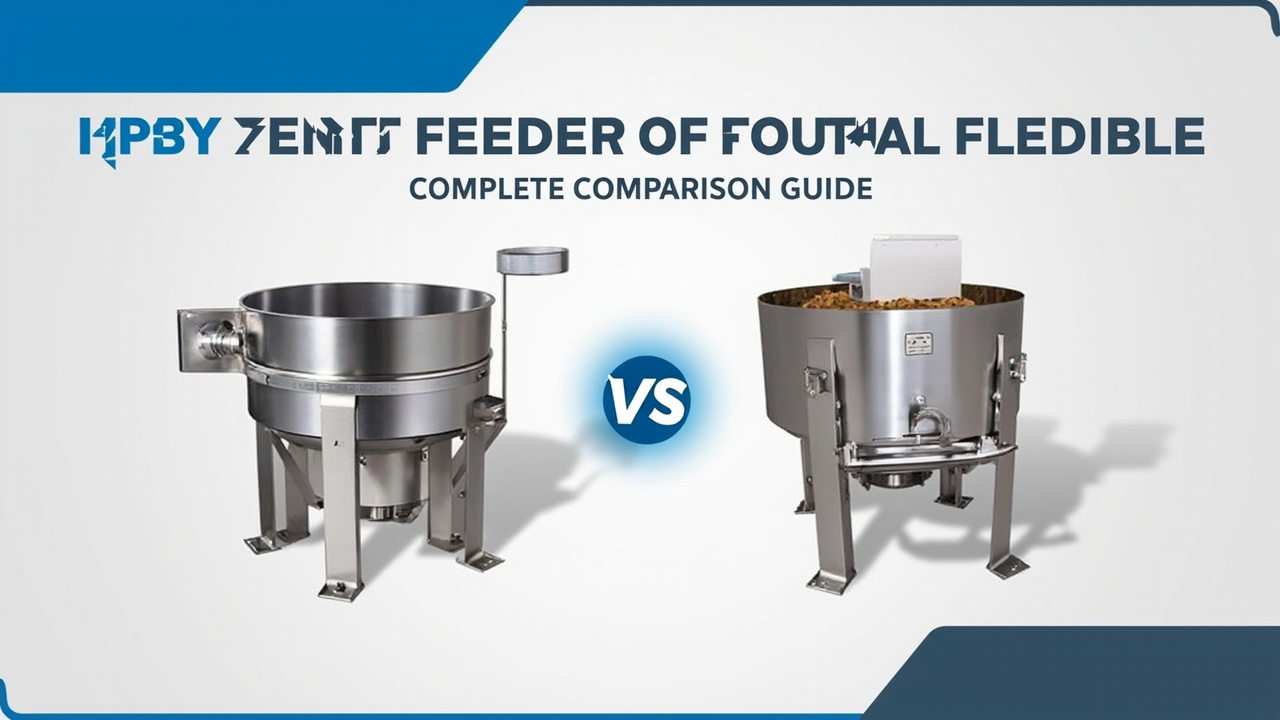
When a line needs gentler handling or more product variety, teams often jump straight from a traditional bowl feeder to a flexible feeder discussion. In practice, tray feeding is another important option. It can simplify presentation and protect surfaces, while a flexible feeder can reduce manual tray management and handle moderate variation with vision support. The better choice depends on where the line wants to carry complexity.
That is why the useful comparison is not which is more advanced, but which one fits the part family, labor model, and station timing with less overall risk. This guide complements our flexible vs standard bowl feeder article, tray vs bowl guide, and flexible feeder robot integration guide.
How the two approaches usually compare
The decision often comes down to where you want to spend labor, floor space, and engineering effort.
| Factor | Flexible feeder | Tray feeding | Practical implication |
|---|---|---|---|
| Product mix | Handles moderate variation well | Best when trays are already product-specific | Tray format can reduce software complexity |
| Surface protection | Good when tuned carefully | Often stronger for delicate visible parts | Tray pockets can preserve cosmetic condition |
| Replenishment method | Bulk refill possible | Requires tray logistics | Labor and packaging model matter |
| Vision and software dependence | Higher | Lower to moderate | Flexible systems often rely more on cameras and recipe control |
Where each option tends to win
A flexible feeder is attractive when the part family is mixed enough to punish dedicated tooling but still suitable for bulk presentation on a vibrating surface. It can reduce the need for many fixed bowls while keeping automation reasonably compact.
Tray feeding wins when the part is highly cosmetic, easily tangled, or already arrives in trays that the process can use directly. It often shifts cost toward packaging and material flow, but it can reduce risk dramatically for fragile or presentation-sensitive parts.
The line-level question is whether you want complexity in tray logistics or in vision and software. Neither path is free. The better one is the path your production system can support consistently.
Decision rules for choosing between them
- Choose tray feeding first when surface protection and exact presentation dominate the problem.
- Choose flexible feeding when moderate product variation and bulk refill matter more than perfect fixed presentation.
- Review labor, packaging, and upstream handling before making the automation decision.
- Validate how the robot sees and picks the part, not only how the feeder presents it.
What to test before committing
Measure not just nominal cycle time but also refill, changeover, tray handling, and recovery behavior. Those hidden tasks often decide the true cost of the concept.
Review the part condition after handling. A flexible feeder may be fast enough, but a visible part may still favor tray presentation if cosmetic tolerance is tight.
This comparison also fits with our robot end effector guide and vision-guided feeding article.
Buyer checklist for the comparison
- State product mix, changeover frequency, and batch size clearly.
- Define whether the part can tolerate bulk contact or needs protected presentation.
- Review packaging and tray logistics together with automation cost.
- Describe the robot pickup tolerance and camera strategy at the station.
Huben Automation helps teams compare flexible feeding and tray feeding at the system level, not only at the hardware level. If you want help deciding between the two, send us the part family, batch pattern, and station requirement.
Ready to Automate Your Production?
Get a free consultation and detailed quote within 12 hours from our engineering team.