Flexible Feeder Recipe Management Guide 2026

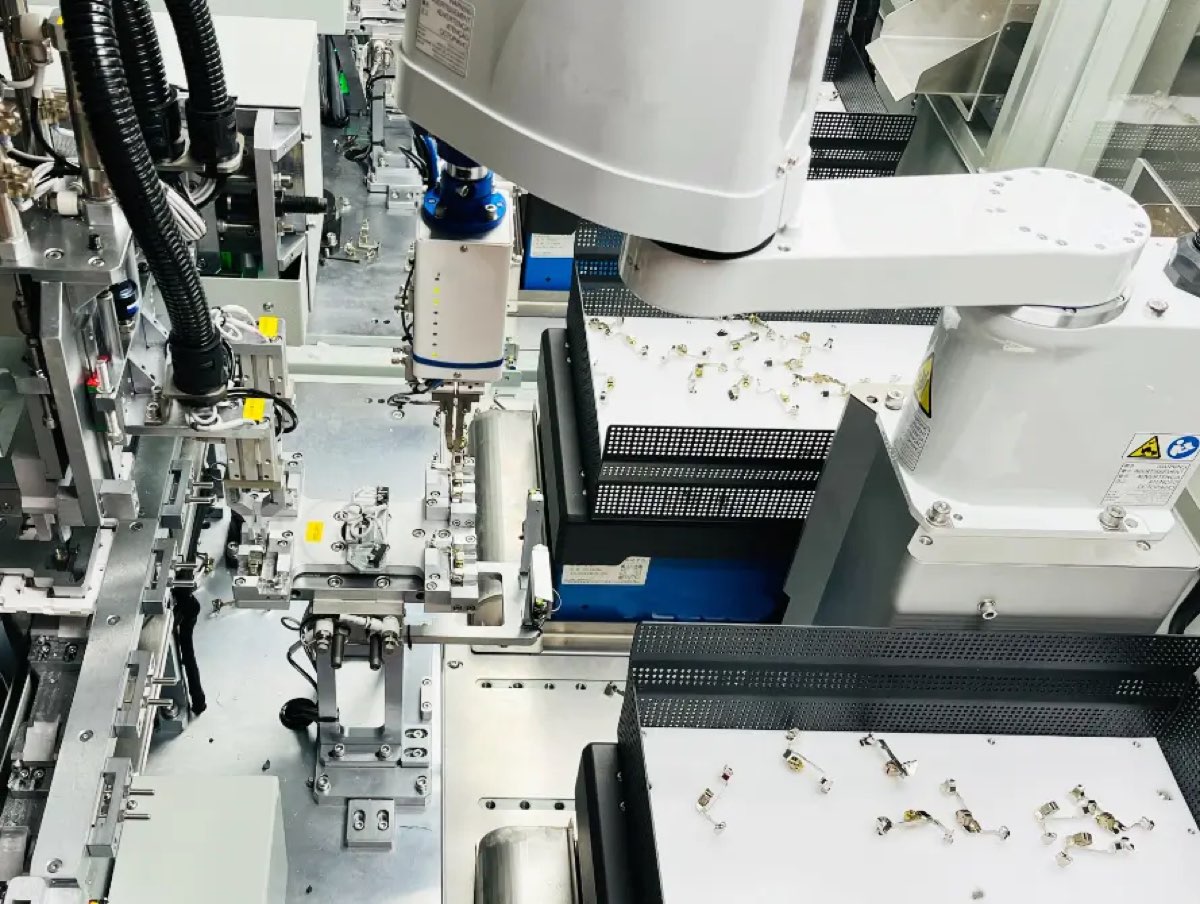
Flexible feeders save time only when recipe management is disciplined
A flexible feeder can handle many part types, but that does not mean the changeover will be smooth by default. Vision thresholds, lighting, robot picks, deck motion, buffer assumptions, and rejection rules all have to move together as one recipe. When they do not, the line loses time in the least satisfying way possible: one small setup mistake after another.
Recipe management is what turns flexible feeding from a clever demo into a stable production tool. This article works alongside our robot integration guide and changeover reduction guide.
Why flexible-feeder changeovers still go wrong
The first problem is partial recipe change. Teams update the vision job but forget the deck motion, gripper offset, or reject zone settings. The line then behaves as if the part were wrong, when the setup is the real issue.
The second problem is recipe sprawl. Once many variants accumulate, nobody is fully sure which version is current or which small tweak was made during the last urgent trial.
The third problem is weak validation after changeover. A recipe can load without error and still be unsafe for production because the candidate density or pick confidence has shifted.
| Case | Main risk | Design focus | What to verify |
|---|---|---|---|
| Vision recipe only changed | Wrong pick behavior | Bind vision, robot, and motion together | Full recipe load integrity |
| Too many near-duplicate recipes | Operator confusion | Group by part family and revision | Changeover error rate |
| No post-change validation | Bad start after switch | Use a short structured verification | First stable minutes after restart |
| Manual note-based tweaks | Version drift | Formalize revision control | Recipe traceability |
How to structure recipe management for flexible feeders
Start with part families, not individual part numbers. If several parts share the same lighting, pick logic, and motion pattern, that family structure usually keeps the recipe library easier to maintain.
Tie all critical settings to the same recipe object or changeover flow. Vision, robot, motion, and reject handling should not depend on separate memory and informal notes if the line needs repeatable setup.
Use a short verification routine after each change. The goal is not a long qualification every time. It is a quick check that the line really loaded the right assumptions.
Rules for better flexible-feeder recipe management
- Change the whole recipe, not one layer. Partial change is a common cause of slow restarts.
- Group recipes by family where possible. That reduces clutter and confusion.
- Track revision history cleanly. A mystery tweak is hard to trust later.
- Verify the first stable cycles after changeover. That is where recipe mistakes show up.
Flexible feeding usually feels reliable when the recipe structure is boring and clear. That is a compliment, not a limitation.
How to validate recipe management on the floor
Measure changeover from last good part of the old run to first stable part of the new run. That is the number operations actually cares about.
Test recipe changes with more than one operator. If only one engineer can switch the feeder confidently, the recipe system is still too fragile.
Log which parameters changed and why. That gives later troubleshooting a real starting point instead of guesswork.
Buyer checklist before requesting a quote
- Ask how recipes are grouped and versioned.
- Check whether vision, robot, and deck settings load together.
- Request the standard post-change verification routine.
- State target changeover time clearly. This affects how much structure the system needs.
Huben Automation reviews flexible-feeder recipes around family structure, version discipline, and fast stable restart after changeover. If you want help checking recipe strategy for a multi-variant line, send us the part list and target setup time.
Ready to Automate Your Production?
Get a free consultation and detailed quote within 12 hours from our engineering team.