Filter Component Feeding Guide 2026

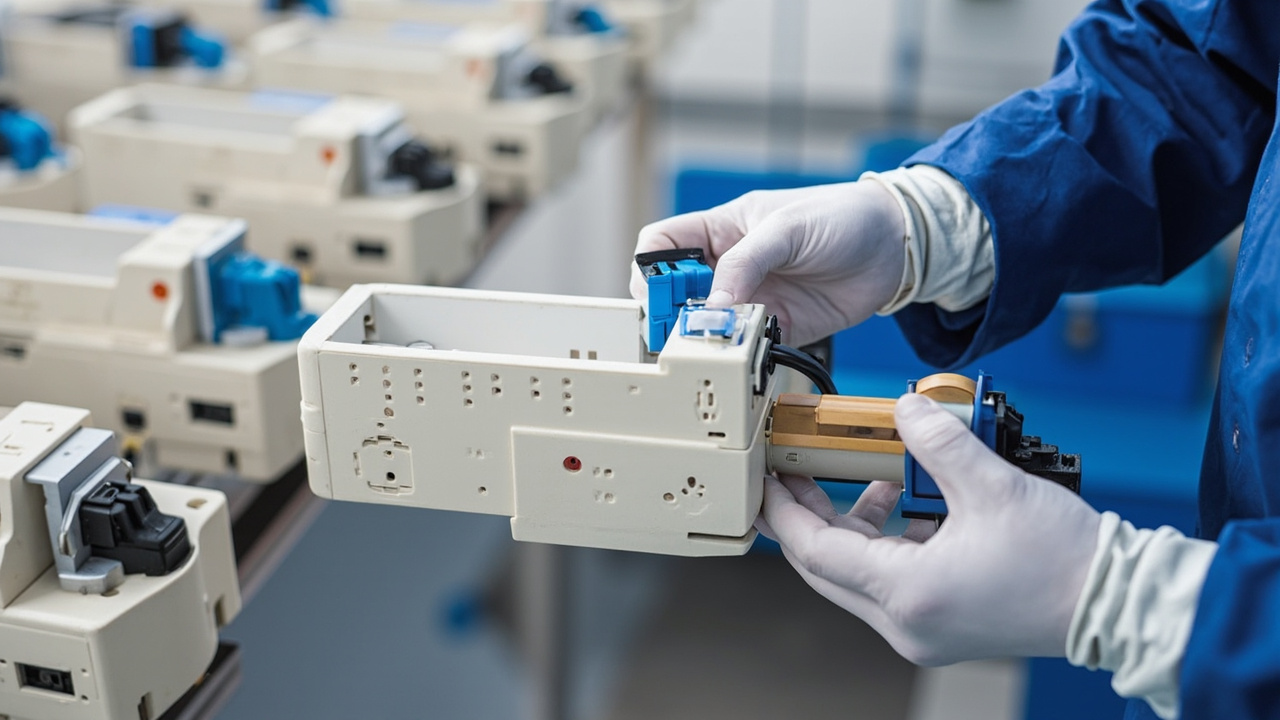
Filter assembly feeding gets complicated because not every component can be treated like hardware
Filter products often mix rigid caps, soft seals, pleated media, small inserts, and housings in one assembly flow. Some of those parts feed well in a bowl. Others do not tolerate vibration or random pile contact at all. That is why filter automation usually needs a mixed feeding strategy.
The project goes better when the team decides early which parts belong in bowl feeding, which belong in tray or magazine presentation, and which need manual or semi-automatic staging. This guide works beside our appliance parts feeding guide and tray vs bowl comparison.
Why filter-component projects need mixed assumptions
The first issue is component sensitivity. Pleated media, soft seals, or coated elements can deform or mark under handling that would be trivial for a cap or insert.
The second issue is mixed orientation demand. A rigid cap may need one release pose, while a housing only needs stable presence, and a media element may need guided placement with almost no random contact at all.
The third issue is cleanliness. Depending on the product, debris control and contact-surface management may matter nearly as much as the feeding rate.
| Case | Main risk | Design focus | What to verify |
|---|---|---|---|
| Rigid plastic cap | Orientation drift | Dedicated bowl selector | Station-ready pose |
| Metal insert | Small-part instability | Controlled queue and escapement | Single-part delivery |
| Pleated filter media | Deformation | Tray or guided presentation | Part condition at load |
| Soft sealing component | Stick-slip and marks | Gentle contact surfaces | Cosmetic and dimensional condition |
How to choose feeders for filter assembly
Bowl feeders usually make sense for the small rigid components that repeat at volume. That is the easy part of the decision.
Sensitive media or large soft parts often do better with trays, magazines, or guided nests. The line may sacrifice some automation simplicity, but it avoids turning the feeder into a damage source.
The useful comparison is not “automatic versus manual.” It is whether each component is being presented in the calmest practical way for its role in the assembly process.
Rules that help filter-part feeding projects
- Split rigid and delicate components early. They should not share the same assumptions.
- Use cleanliness as a design input. Do not leave it to a late quality note.
- Match feeder choice to component function. Some parts need orientation, others need protection.
- Validate the whole assembly sequence. A good component feeder can still fail in the next handoff.
Filter assembly automation usually improves once the team stops looking for one perfect feeder type and starts assigning the right method to each component family.
How to validate filter-component feeding
Inspect both part condition and station-ready presentation. Delicate components can arrive on time and still be wrong for the assembly process.
Run with actual product-condition parts, including packaging and surface state. Small changes in softness, coating, or cleanliness can change the answer quickly.
If the line includes leak test or sealing checks, validate whether feeding defects are traceable to those results before signoff.
Buyer checklist before requesting a quote
- List each filter component separately.
- Mark which parts are sensitive to deformation or cosmetic damage.
- Describe cleanliness expectations clearly.
- Share the full assembly sequence. Mixed-component projects need the process context early.
Huben Automation reviews filter-component feeding around mixed-part strategy, cleanliness, and calm station handoff. If you want help checking a filtration assembly project, send us the component list and process flow.
Ready to Automate Your Production?
Get a free consultation and detailed quote within 12 hours from our engineering team.