Feeder Runoff Report Checklist 2026

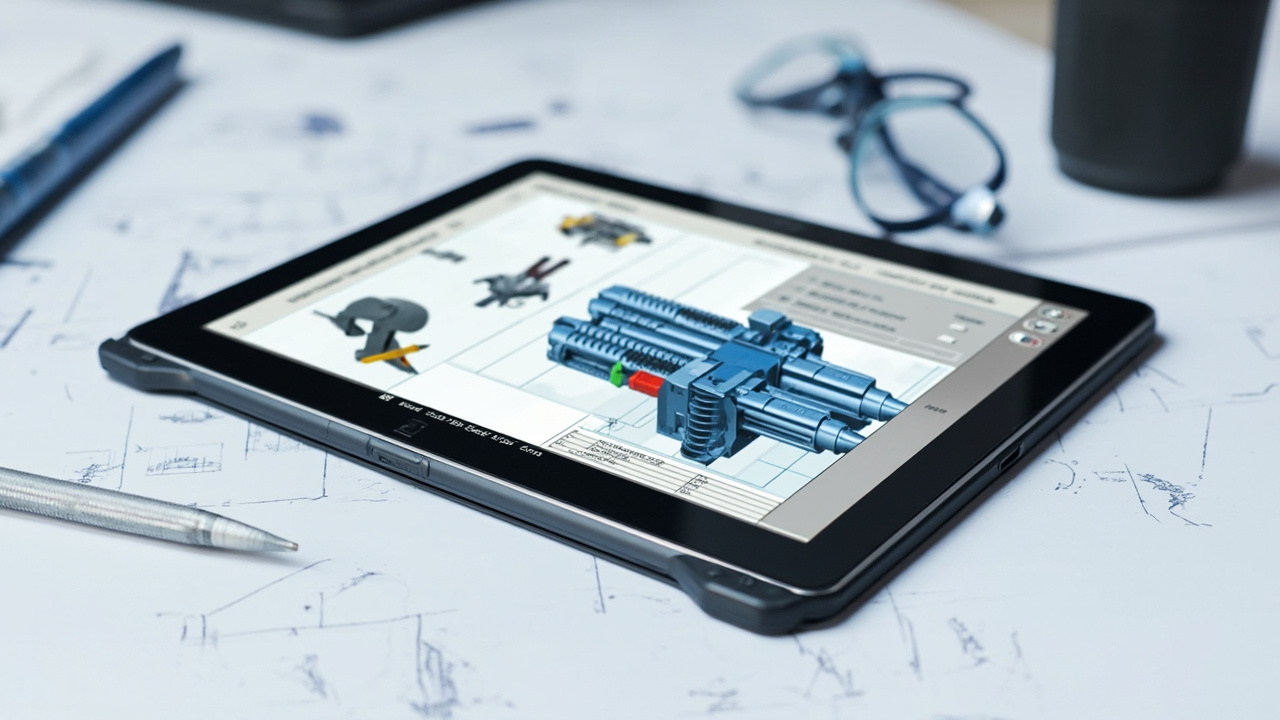
A runoff only helps if the results are recorded in a way people can use later
Many feeder projects have a runoff. Far fewer leave the runoff with documentation that actually helps production, maintenance, purchasing, or quality later. A short demo and one headline output number are not the same thing as a useful runoff report.
Buyers who ask for the right data early tend to make better project decisions and have fewer argument loops at FAT or SAT. This article pairs with our feeder acceptance test guide and validation guide.
Why many runoff reports are weaker than buyers think
The first problem is missing context. A supplier may report a good feed rate without stating bowl fill state, part condition, runtime length, reject criteria, or what happened after refill.
The second problem is merged metrics. Feed rate, orientation yield, false rejects, and station-ready output are often blended into one positive-looking summary that hides the real weak point.
The third problem is poor traceability. If the line later sees trouble, the team cannot compare current performance with the original runoff because the original conditions were never documented clearly.
| Case | Main risk | Design focus | What to verify |
|---|---|---|---|
| Headline feed rate only | No context for the result | Ask for test conditions and duration | Repeatability later |
| No refill data | Hidden starvation risk | Document refill timing and recovery | Post-refill behavior |
| No defect breakdown | Hard to fix later | Separate orientation, jam, and reject data | Root-cause clarity |
| No sample identification | Poor traceability | Record part lot and sample condition | Comparison after SOP |
What a good runoff report should include
A useful report states what part was tested, how long it ran, what fill state the bowl used, what the real output measurement point was, and what counted as a failure. Without those basics, the rest of the numbers are much harder to trust.
It should also separate performance categories. Good buyers want to know not just the rate, but the orientation yield, jam events, rejection behavior, and the effect of refill or short stops.
If the feeder is part of a larger assembly cell, the report should identify whether the number was measured at the bowl exit, the escapement, or the real station interface. Those are not interchangeable.
Rules for asking better runoff documentation
- Ask for conditions, not just results. A number without context is hard to reuse.
- Separate feeder output from usable output. The station sees only the latter.
- Include refill and restart behavior. That is where many weak systems drift.
- Record the sample state and lot. That gives the report value after SOP.
A strong runoff report does not need to be fancy. It just needs to capture the conditions that make the result believable and repeatable.
How to use a runoff report during project review
Compare the report against your real production case. If the report assumes cleaner parts, shorter runtime, or looser reject criteria than your plant will use, then the result is incomplete.
Keep the document where production and maintenance can reach it later. A runoff report becomes much more useful when it serves as a reference during troubleshooting after launch.
If multiple feeders are part of one machine, insist on station-specific data. One weak feeder can disappear inside an acceptable machine-average number.
Buyer checklist before requesting a quote
- Ask what measurement point each number comes from.
- Require refill and restart data if the line will run unattended.
- Request defect categories separately, not as one pass/fail result.
- Make sure sample lot or condition is recorded. That helps later comparisons.
Huben Automation documents feeder runoff around the real measurement point, part condition, and behavior after refill or restart. If you want help reviewing a runoff plan or report, send us the current checklist and project target.
Ready to Automate Your Production?
Get a free consultation and detailed quote within 12 hours from our engineering team.