Feeder Retrofit Upgrade Guide 2026

Replacing the whole feeder is not always the best first move
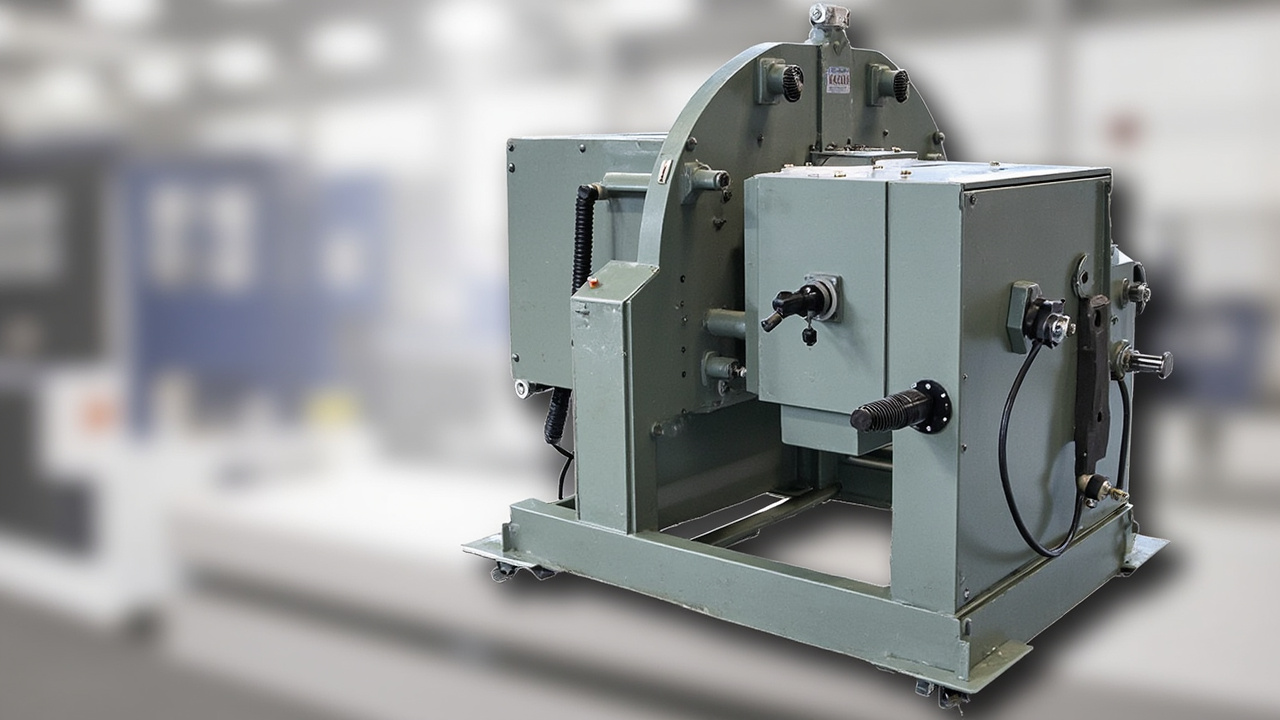
Older bowl feeders often stay in service far longer than anyone expected. That is not necessarily a bad thing. Many machines still have solid mechanical bases even when the controller is outdated, the tooling is worn, or the sensors no longer fit the line standard.
This is where retrofit work makes sense. A targeted feeder upgrade can restore output, reduce noise, improve controls compatibility, and extend useful life without the cost of a full replacement. The trick is knowing when retrofit is realistic and when it only delays the inevitable.
This guide explains how to think through that decision. It also helps teams compare controller upgrades, tooling rework, sensor refresh, and bowl recoating against the cost of a new feeder. It pairs well with our controller guide and spare-parts strategy article.
How to tell whether retrofit is worth it
The first question is mechanical condition. If the base, bowl structure, and spring mounting points are still sound, retrofit stays on the table. If cracks, serious wear, or repeated alignment problems are already present, replacement is often the cleaner path.
The second question is output margin. Some feeders only need a better controller, retuned springs, or refreshed tooling to recover acceptable performance. Others are fundamentally undersized for the current part or line speed and cannot be rescued economically.
The third question is integration. If the plant now needs PLC communication, modern sensors, or recipe control, retrofit may create large value even when the feeder still runs mechanically.
| Upgrade area | What it fixes | When it pays off | When replacement is better |
|---|---|---|---|
| Controller retrofit | Poor tuning and no communication | Mechanical base is still good | Drive hardware is also failing |
| Tooling rework | Orientation loss or part change | Part geometry has shifted slightly | New part family needs a different concept |
| Recoating | Noise, wear, and slip | Bowl shape is still correct | Track structure is already compromised |
| Sensor upgrade | Integration and reliability issues | Plant standards changed | Controls cabinet needs full redesign |
The common retrofit paths
Controller upgrades are often the fastest win. Modern digital control can improve tuning stability, diagnostics, and PLC compatibility without touching the entire machine.
Tooling and coating upgrades are next. These usually make sense when the feeder still has enough basic capacity but orientation, wear, or surface behavior have drifted over time.
Where the feeder must run a new part family or dramatically higher output, retrofit deserves a harder look. Some changes are small enough for rework. Others amount to a new machine hiding inside an old frame.
A practical retrofit decision process
Retrofit projects go better when the team reviews them in a fixed order instead of jumping to the newest part on the quote.
- Inspect the mechanical base first. If the core structure is weak, electronics upgrades will not save the feeder for long.
- Define the current problem in measurable terms. Low rate, noise, no PLC communication, or frequent jams each suggest a different retrofit path.
- Compare retrofit cost with expected remaining life. A cheap upgrade is not cheap if the feeder is near the end of service anyway.
- Retest under loaded production conditions. Retrofit success should be measured where the plant actually uses the machine.
Good retrofits are specific. Broad “rebuild everything” plans are usually a sign the replacement discussion has not been faced honestly yet.
How to validate a retrofit before signoff
Run the upgraded feeder at the real part load and confirm that the original complaint is gone. If the issue was controller reserve, measure it. If it was noise, measure or document the noise improvement.
Check how the retrofit changes maintenance. New controls, sensors, or coatings should reduce operator work, not add awkward workarounds.
If the retrofit included PLC or communication upgrades, validate the plant handshake before closing the project. Integration problems can wipe out the benefit of a good mechanical fix.
Retrofit quote checklist
Retrofit decisions move much faster when the supplier sees the current machine condition clearly.
- Send photos and model details of the current feeder. Retrofit feasibility depends heavily on the existing build.
- Describe the exact failure or business problem. Low speed and no communication are not the same project.
- State whether the part has changed. New-part retrofit often becomes partial redesign.
- Compare against the cost of downtime. That number helps decide whether upgrade or replacement is more rational.
Huben Automation reviews retrofit work around the real weak point, not just the easiest component to replace. If you want help deciding whether to upgrade or replace a feeder, send us the current machine details and the target improvement.
Ready to Automate Your Production?
Get a free consultation and detailed quote within 12 hours from our engineering team.