Feeder Changeover Kit Planning Guide 2026

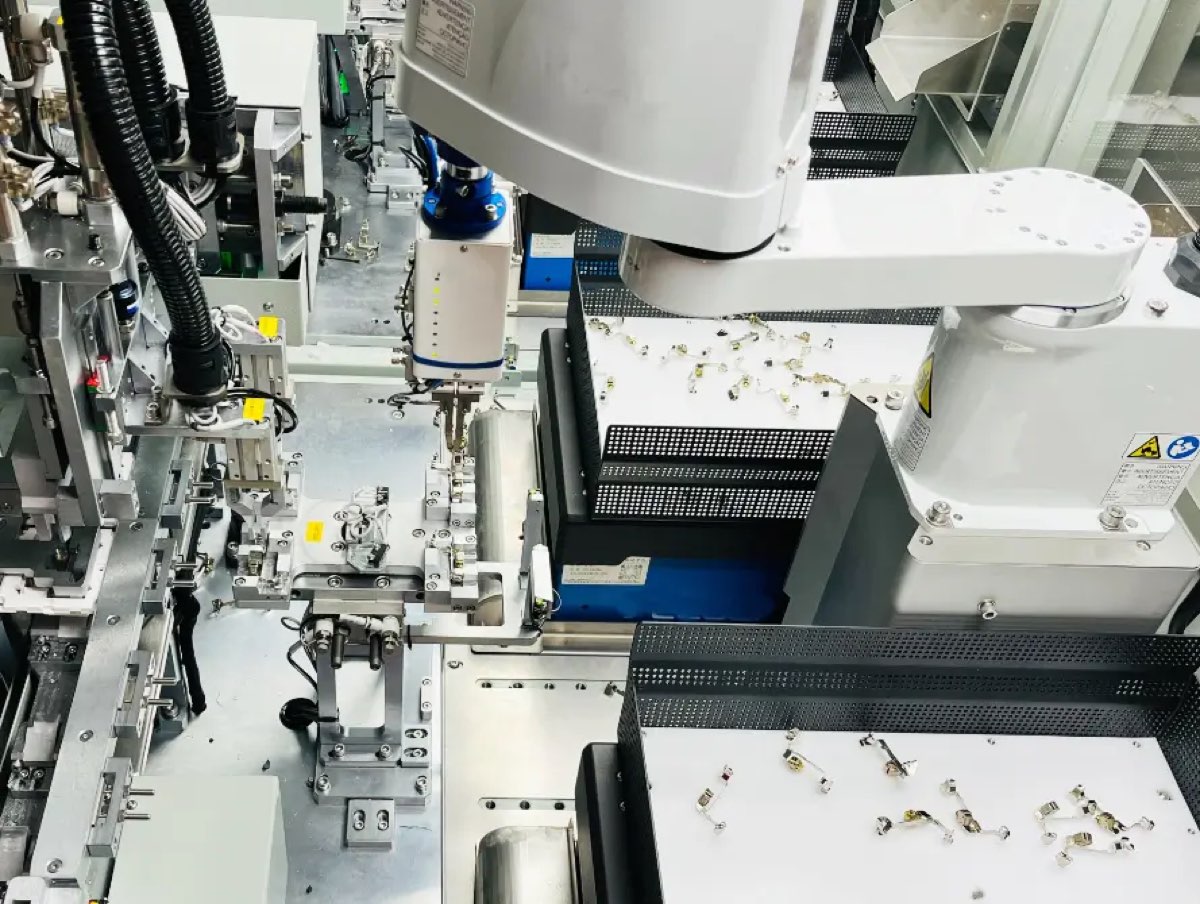
Fast feeder changeover needs a kit, not just a good technician
Many lines claim they have “quick change” feeders, but the actual changeover still depends on one person remembering where a certain spacer, gauge, nozzle, or sensor bracket is stored. That is not a quick-change system. It is a memory-based workaround waiting to fail on the wrong shift.
A changeover kit gives the line a repeatable physical system to match the setup method. This article works alongside our changeover reduction guide and spare-parts strategy article.
Why feeder changeovers stay fragile
The first issue is missing physical organization. If change parts, gauges, and special tools live in different drawers, the line wastes time before the feeder even starts moving again.
The second issue is mixed ownership. Operators, maintenance, and engineering may each hold part of the setup knowledge, which makes the result inconsistent under schedule pressure.
The third issue is incomplete kits. The team remembers the major tooling but forgets the shim, sensor flag, hose insert, or reference part that actually makes the restart stable.
| Case | Main risk | Design focus | What to verify |
|---|---|---|---|
| Missing setup gauge | Inconsistent restart | Include gauge with the kit | Repeatability by operator |
| Tooling stored separately | Long search time | Variant-based kit layout | Hands-on change time |
| No reference sample | Wrong first-run assumption | Add verified reference part | First stable minutes after restart |
| Hidden consumables | Last-minute delay | Include wear items or trigger restock | Changeover interruption rate |
What a useful changeover kit should contain
A practical kit includes the physical change parts, the right gauges or reference settings, variant-specific consumables if needed, and a simple setup sheet that matches the current feeder revision.
It should also reflect how the plant really works. If the operator performs the change, the kit should support that. If maintenance owns the reset, the storage and labels should fit that workflow instead of an idealized one.
The kit becomes much more valuable when it is tied to the recipe, setup sheet, and verification steps. Physical organization and information organization need to support each other.
Rules for better changeover-kit planning
- Group the kit by variant, not by component type. That shortens setup time.
- Include the small items that affect stability. Those are often the real bottleneck.
- Use labels the floor can follow quickly. Fancy naming is less useful than obvious naming.
- Audit kits after real changes. The first version is rarely complete.
A strong changeover kit reduces dependence on memory. That alone can save more downtime than a surprisingly large amount of feeder tuning effort.
How to validate changeover kits
Run a real change with the intended operator and watch what they still have to search for. That search time is the hidden truth about the kit quality.
Measure from last good part to first stable part after restart. A kit that shortens only the mechanical swap but not the stable restart is incomplete.
Review restocking and ownership. A beautiful kit falls apart quickly if nobody knows who keeps it complete.
Buyer checklist before requesting a quote
- State which variants the feeder must switch between.
- Describe who performs the changeover.
- Ask which gauges or reference tools are included.
- Set a target downtime per change. This keeps the kit design tied to a real goal.
Huben Automation reviews changeover-kit planning around operator workflow, complete variant tooling, and fast stable restart after change. If you want help checking a feeder changeover kit strategy, send us the variant list and current setup routine.
Ready to Automate Your Production?
Get a free consultation and detailed quote within 12 hours from our engineering team.