Escapement Design for Parts Feeding 2026

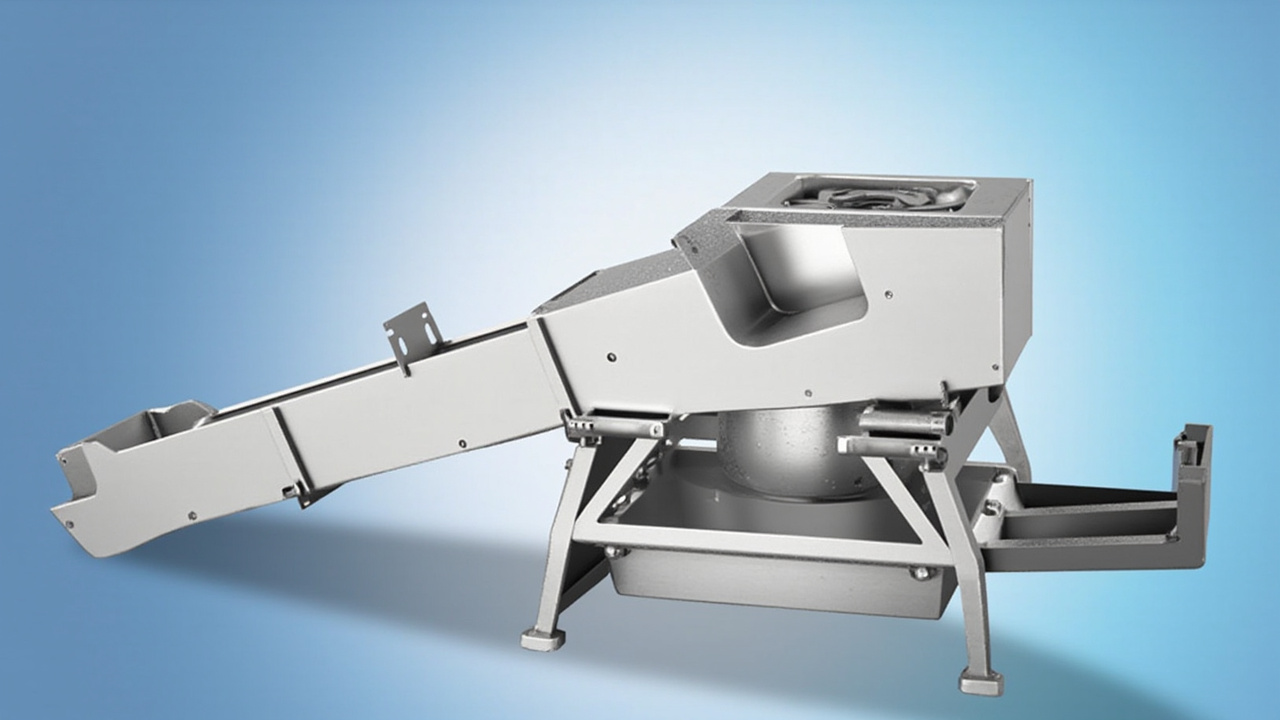
Many feeder problems are really escapement problems in disguise
A bowl can orient parts well and still look unreliable if the escapement at the end of the line is poorly timed or poorly supported. That is one reason some feeder projects feel confusing during debugging. The problem shows up at the discharge, not in the bowl body.
Escapement design deserves its own review because one-piece release is what the next station actually sees. This article connects closely with our sensor selection guide.
Why the discharge end causes so many false alarms
The first problem is timing. If sensors and cylinders are even slightly out of step, the system can clip parts, hold them too long, or release them with extra motion.
The second problem is back pressure from upstream flow. The escapement may work on a calm bench and fail once the bowl pushes a full queue into it.
The third problem is part variability. Escapements are less forgiving than bowls when dimensions drift near the limit.
| Escapement issue | Typical cause | Helpful fix | What to measure |
|---|---|---|---|
| Double release | Weak stop timing | Review gate spacing and sensor lag | Single-part isolation rate |
| Part clipping | Wrong cylinder stroke or speed | Calm the gate action | Part condition after release |
| Intermittent jams | Queue pressure from upstream | Add pressure control or stop logic | Performance at full queue |
| Missed pick | Unstable final position | Improve nest or stop repeatability | Robot pick success |
Choosing a practical escapement approach
Simple two-stop escapements are often enough when the part is stable and the next process is straightforward. More complex parts may need air assist, a verification sensor, or a shaped nest at the release point.
The best design is usually simpler than expected. Overbuilt escapements with too many moving pieces can become their own source of variation.
What matters most is whether the final release point is repeatable under real queue pressure.
Rules for better escapement design
- Design for queue pressure. The empty-track test is not enough.
- Keep the released part calm. A part that arrives with bounce is not really presented.
- Match sensor timing to cylinder behavior.
- Validate with tolerance variation. Tight escapements expose weak margins fast.
Most good escapements look almost uneventful when they run. That is exactly the point.
How to validate an escapement properly
Test it at line speed, with real upstream pressure, and with the actual downstream interface. Any one of those missing pieces can hide the real problem.
Measure single-release accuracy, final position repeatability, and part damage separately. These are different failure modes and they deserve different fixes.
If the station uses a robot, verify the full handshake timing between bowl, escapement, and pick command.
Buyer checklist before requesting a quote
- Describe the required release orientation and location.
- Share the downstream pick or process timing.
- State whether air assist is available and acceptable.
- Include tolerance data for the part family.
Huben Automation reviews escapement design around single-part isolation, queue pressure, and calm final presentation. If you want help checking a discharge concept, send us the part data and station timing.
Ready to Automate Your Production?
Get a free consultation and detailed quote within 12 hours from our engineering team.