Cycle Time Balancing in Feeding Cells 2026

Most feeding cells are limited by mismatch, not by one weak component
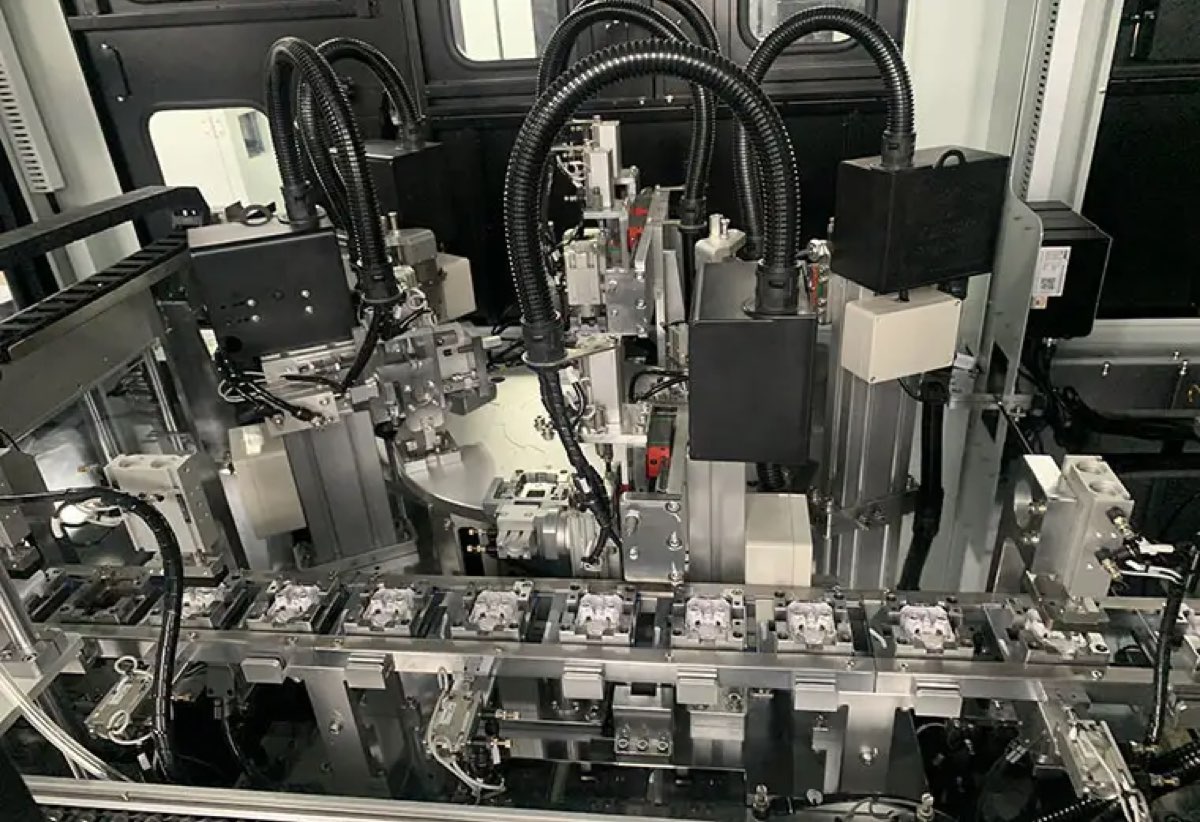
Cycle-time problems in feeding cells often get blamed on the feeder first. Sometimes that is fair. Often the real issue is mismatch: the feeder, robot, transfer, inspection, and assembly stations are each capable on their own, but not balanced as a system.
That is why cell-level balancing matters. A bowl feeder with comfortable reserve can still live in a starved line if the robot path is inefficient. A fast flexible feeder can still underperform if image processing and gripper change time were never included in the real cycle calculation.
This guide explains how to think about cycle time at the whole-cell level and where teams most often lose capacity without noticing it. It fits well with our assembly machine guide and flexible feeder integration guide.
Where cell time usually disappears
One common loss is hidden waiting. The feeder is ready, but the robot is still moving. The robot is ready, but the inspection result has not cleared. These small waits accumulate and quietly define the real throughput.
Another loss is poor buffering. If the feeder has no margin or the downstream station has no small buffer, a minor micro-stop turns into repeated starvation. The cell then looks unstable even though no single module is actually broken.
The third loss is changeover logic. High-mix cells often pay time penalties in recipes, gripper swap, vision reset, or hopper refill sequences that were never included in the original ppm promise.
| Cell area | Typical hidden loss | What to measure | Common fix |
|---|---|---|---|
| Feeder output | Loaded rate drop | Good parts at discharge | Add reserve and control bowl fill |
| Robot motion | Long approach or retreat | Pick-to-place time | Rework path and pickup points |
| Inspection | Decision latency | Trigger-to-result time | Simplify logic or move check point |
| Changeover | Recipe and tool reset | Lost minutes per change | Standardize recipes and tooling |
Balancing feeder reserve and station demand
A feeder should usually have some reserve above nominal line demand, but not so much aggressive motion that it creates instability or wear. The goal is controlled margin, not headline speed.
Buffers matter for the same reason. A small stable accumulation between feeder and station can absorb small variation. No buffer means every fluctuation becomes visible immediately.
On integrated systems, balancing often means changing more than one module slightly instead of demanding a dramatic improvement from one module alone.
Rules for better cycle-time balance
Most feeding cells become easier to balance when the team follows a few disciplined habits.
- Measure the cell in segments. Feeder, robot, inspection, and placement times should be visible separately.
- Use good-part output, not nominal module speed. The line consumes successful cycles, not brochure numbers.
- Include refill and recovery states. Cells that look fine in steady state can still lose large amounts of practical output.
- Balance for the slowest meaningful path. One critical station often defines the real ceiling.
Balancing is less about one miracle improvement and more about removing several smaller mismatches.
How to validate balanced output
Run a sustained test and record actual good cycles over time, not just the best minute. This exposes hidden waits and refill losses quickly.
Where the feeder is suspected, compare loaded and unloaded behavior. Where the robot is suspected, compare path time with and without safe approach overhead.
If the line changes parts often, include at least one real changeover in the trial. That number often matters more than the steady-state cycle on mixed-model cells.
Checklist before asking a supplier to improve cell output
A supplier can help more effectively when the cell loss is described clearly.
- Split the cycle into modules. This identifies whether the bottleneck is really the feeder.
- Record the actual good-part rate. Nominal station times can hide the real result.
- Note refill and micro-stop behavior. These often explain the gap between theory and practice.
- State whether part changeovers are frequent. High-mix losses need different solutions from steady-state losses.
Huben Automation reviews feeding-cell output at the system level rather than assuming the feeder is always the limiting step. If you want help checking a cell bottleneck, send us the cycle breakdown and part flow.
Ready to Automate Your Production?
Get a free consultation and detailed quote within 12 hours from our engineering team.