Connector Pin Protection Feeding Guide 2026

Connector feeding is often judged by one thing, did the pins survive
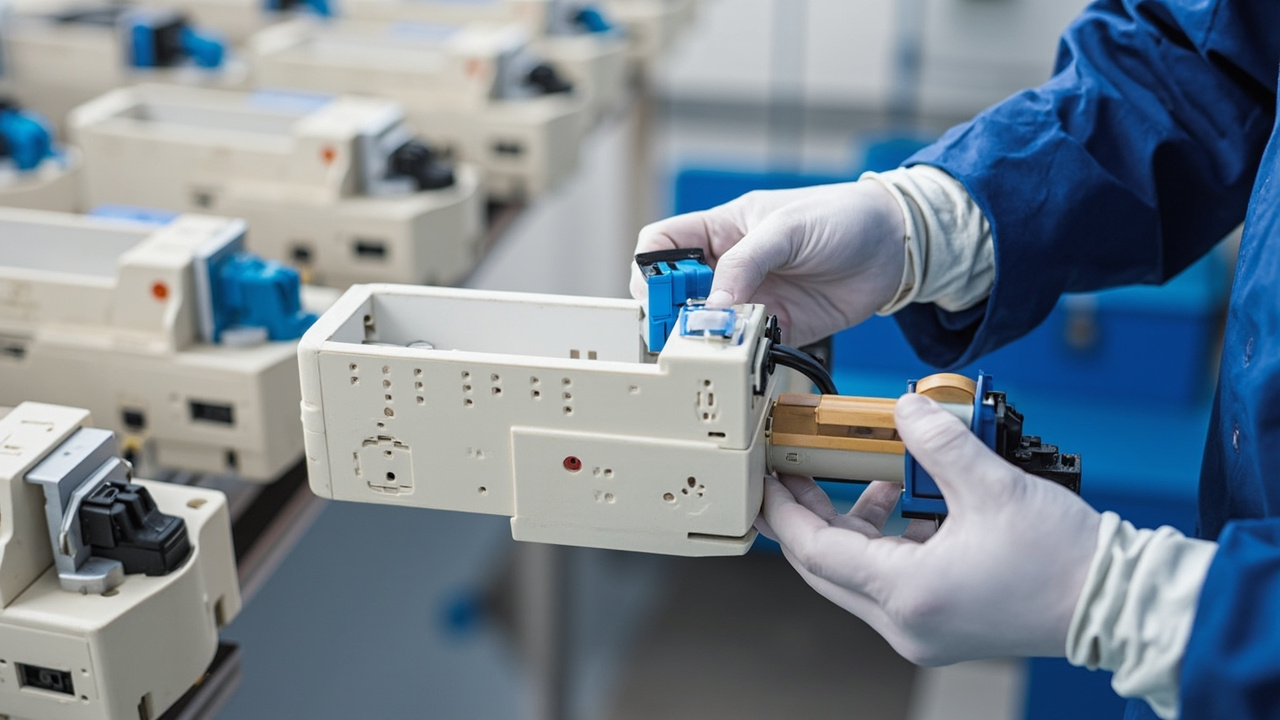
Connectors can feed at decent speed and still fail the application if the pins leave the bowl with tiny bends or rubbed plating. That is what makes connector work different from many general-purpose part-feeding jobs.
Once the line starts rejecting parts for pin shape, the feeder becomes the first suspect. Sometimes that is fair. Sometimes the issue is really at the handoff. Either way, the design has to protect the pins from the start. This article ties closely to our terminal feeding guide.
Where pin damage usually starts
One common source is uncontrolled connector-to-connector contact inside the bowl. Another is a selector or guide surface that touches the pin field when it should only reference the housing.
The final transfer is the other weak point. A part that leaves the bowl correctly can still clip a rail, stop gate, or nest on the way to the station.
That is why pin protection needs a path-level review, not just a bowl-material discussion.
| Connector issue | Typical cause | Design response | Check during runoff |
|---|---|---|---|
| Bent pins | Wrong contact point in tooling | Reference housing instead of pin area | Pin shape after long run |
| Plating marks | Hard surface contact | Review coating and vibration level | Cosmetic inspection |
| Wrong presentation | Weak final guide | Stabilize exit and nest entry | Station pick success |
| Static-related issues | Unmanaged handling path | ESD review and grounding | Whole-path behavior |
Material and layout choices that protect pins better
Low-impact surfaces, calmer amplitude, and housing-based guidance usually help more than simply slowing the bowl down. Teflon or soft-contact strategies can work well, but only if the geometry keeps the pins out of the contact path.
Where the connector family changes often, a flexible feeder may reduce risk because it avoids some of the hard mechanical orientation logic that fixed bowls require.
Still, for one connector type at solid volume, a carefully tooled bowl feeder can remain the most compact answer.
Rules that make connector feeders safer
- Map the no-contact zone clearly. The pins are not available as tooling references.
- Lower impact before you lower rate. Soft path design matters more than a slower ppm number.
- Inspect the handoff as closely as the bowl.
- Use real reject criteria. A connector that looks fine at a glance may still fail gauge checks.
In connector feeding, tiny contact mistakes become expensive very quickly.
How to validate pin-safe feeding
Use the same visual or gauging standard the plant uses for accepted parts. A casual operator look is not enough if the customer has a pin coplanarity or insertion requirement.
Run samples from several production lots. Connector housings and pin fields can vary just enough to reveal a weak tooling margin.
If the next station is a robot or insertion nest, measure pick success and placement quality together with part condition. Those three results belong in one acceptance discussion.
Buyer checklist before requesting a quote
- Provide parts that represent the real pin condition and plating.
- Identify the surfaces and pin zones that must not be touched.
- Describe any ESD or cleanliness requirement.
- Share the final nest or insertion interface.
Huben Automation reviews connector feeding around housing-based guidance, low-impact transport, and the full handoff path. If you want help checking a connector feeder, send us the connector data and process constraints.
Ready to Automate Your Production?
Get a free consultation and detailed quote within 12 hours from our engineering team.