Centrifugal Feeder vs Vibratory Bowl Feeder: Complete Comparison Guide

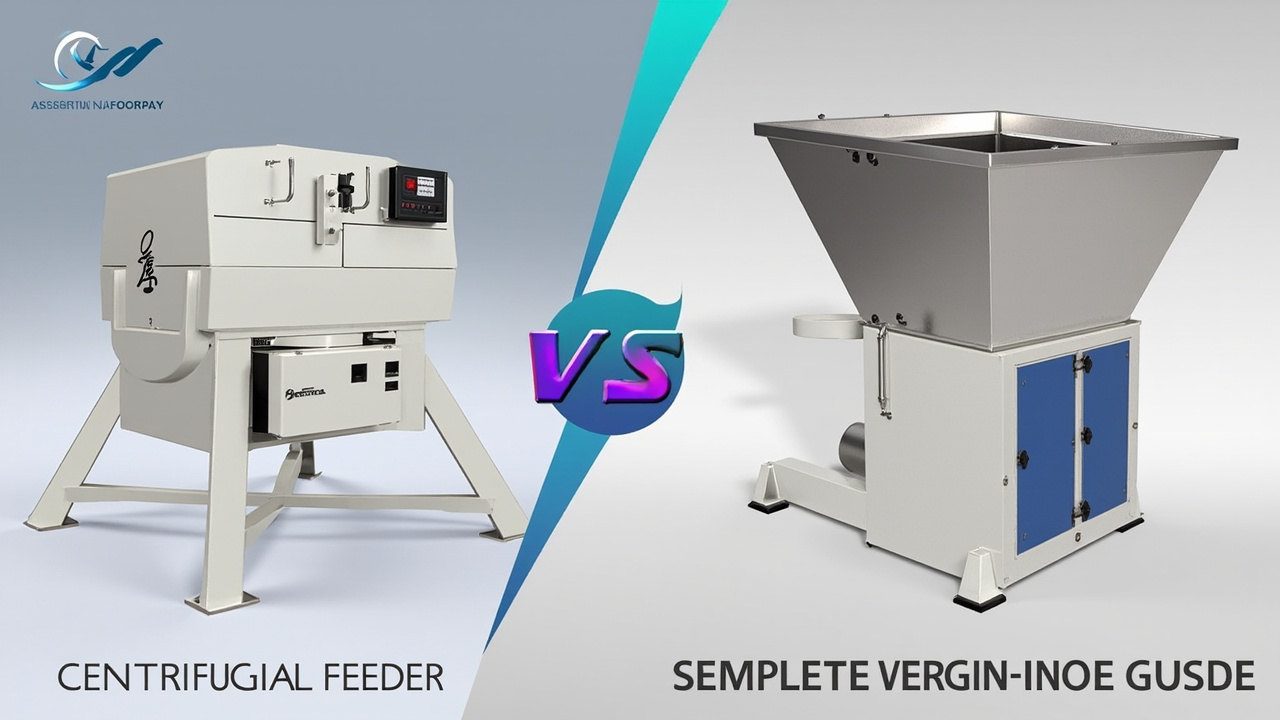
Centrifugal Feeder vs Vibratory Bowl Feeder
Selecting the right parts feeder directly impacts throughput, part integrity, changeover flexibility, and long-term operating costs. Two of the most widely adopted feeding technologies — centrifugal feeders and vibratory bowl feeders — each bring distinct advantages. This guide compares them across speed, part compatibility, cost, noise, and maintenance.
How Centrifugal Feeders Work
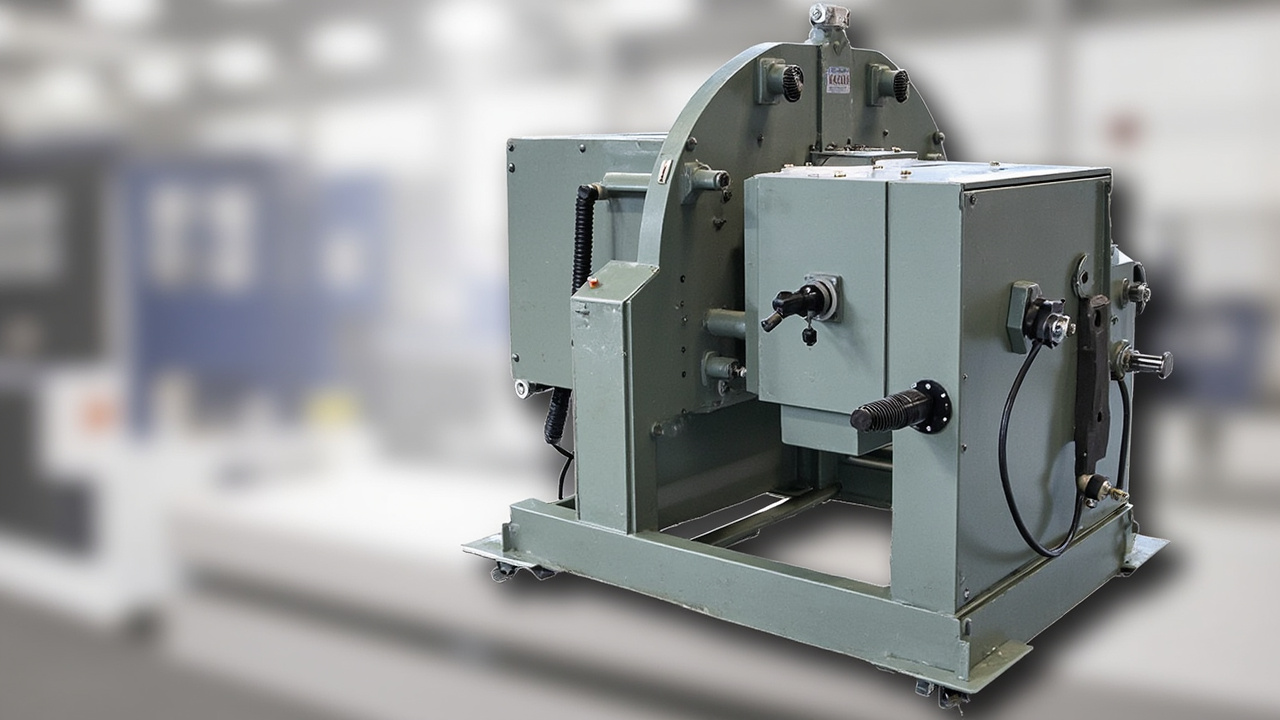
A centrifugal feeder uses a high-speed rotating disc to propel parts outward along the bowl wall. Centrifugal force pushes parts up and along a tailored tooling track. Correctly oriented parts pass through selector tooling and exit; mis-oriented parts recirculate. Because the motion is continuous and rotational, centrifugal feeders achieve exceptionally high feed rates — often 2–3× faster than vibratory bowls.
Huben Expert Tip
Regular maintenance is key. Implementing a weekly cleaning schedule for your feeder tracks can extend the equipment's lifespan by up to 40% and prevent unexpected jamming.
How Vibratory Bowl Feeders Work
A vibratory bowl feeder uses electromagnetic vibration to move parts along a spiral track. As parts ascend, they encounter tooling features — selectors, wipers, air jets — that allow only correctly oriented parts to continue. The vibratory approach excels at handling complex geometries, fragile components, and strict orientation requirements.
Detailed Comparison
| Criterion | Centrifugal Feeder | Vibratory Bowl Feeder |
|---|---|---|
| Feed Rate | 1,000–3,000+ ppm | 200–800 ppm |
| Part Complexity | Simple, symmetrical | Complex, asymmetrical |
| Orientation Precision | Basic (1–2 axes) | High (multi-axis) |
| Part Fragility | Not ideal for delicate parts | Excellent for delicate parts |
| Upfront Cost | Lower | Higher |
| Maintenance Frequency | Low | Moderate to High |
| Noise Level | 65–75 dB(A) | 75–90 dB(A) |
| Energy Efficiency | High at volume | Moderate |
| Changeover Flexibility | Limited | Moderate |
| Uptime / Reliability | High (fewer wear parts) | Moderate (springs, coils) |
When to Choose a Centrifugal Feeder
- Parts are simple and symmetrical — screws, pins, rivets, balls, washers
- You need very high feed rates (1,000+ ppm)
- Orientation requirements are straightforward
- Noise reduction is a priority
- Production runs are long and high-volume
When to Choose a Vibratory Bowl Feeder
- Parts have complex geometries or asymmetrical features
- Parts require precise, multi-axis orientation
- Components are delicate, fragile, or surface-sensitive
- You need to handle multiple part types with changeover
- Parts have thin walls, fine threads, or coated surfaces
Hybrid Solutions
Common hybrid configurations include centrifugal feeder + vibratory inline track (high-speed bulk feeding + precision orientation), vibratory bowl + centrifugal accumulator (complex orientation + flow buffering), and dual-feeder stations running both types in parallel.
Why Huben Automation
With over 20 years of experience, Huben Automation delivers both centrifugal and vibratory feeding solutions as well as custom hybrid systems. ISO 9001 certified quality and factory-direct pricing ensure the best value. Contact Huben Automation to discuss your parts feeding challenge.
Ready to Automate Your Production?
Get a free consultation and detailed quote within 12 hours from our engineering team.