Capsule Feeding System Guide 2026

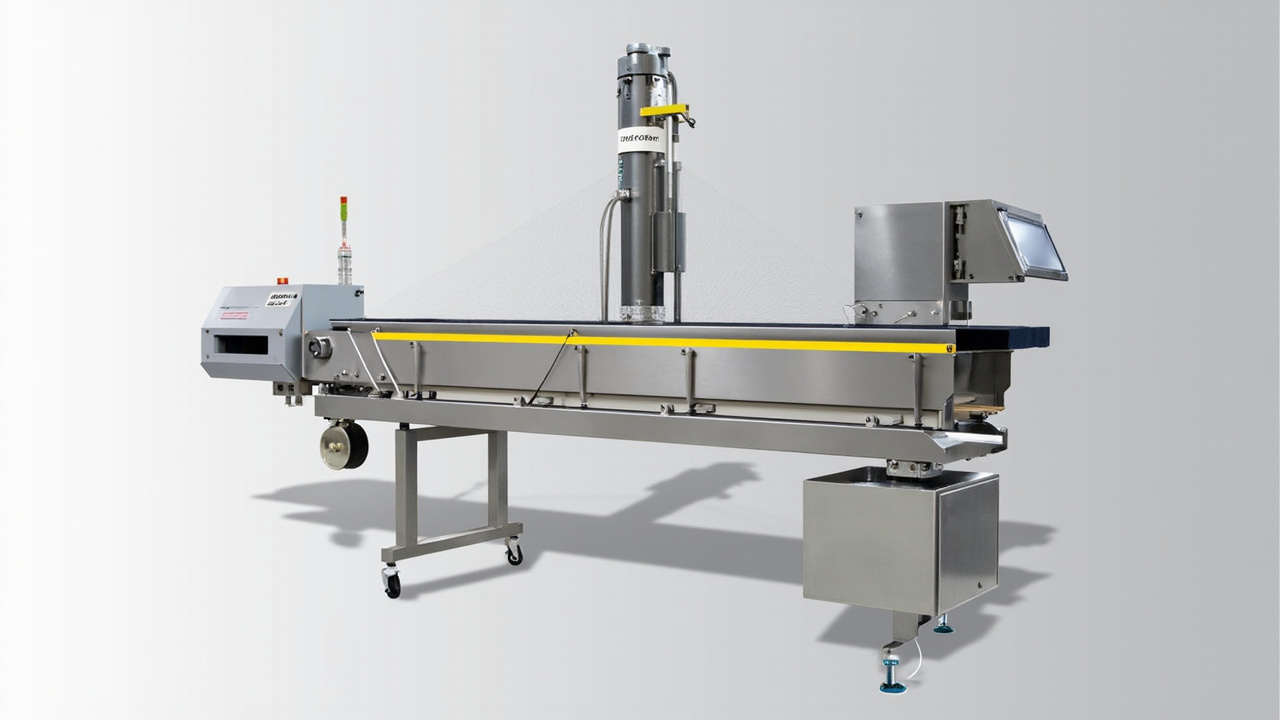
Capsule feeding is gentle work with strict housekeeping rules
Pharmaceutical capsules do not forgive rough handling. The shell can mark, crack, or partly separate, and the environment around the feeder matters almost as much as the tooling inside it. That changes the buying logic completely.
A capsule feeding system needs calm transport, cleanable construction, and acceptance criteria that match GMP reality. This article works alongside our pharmaceutical feeding guide and cleanroom parts feeding guide.
What causes capsule-feeding failures
One issue is shell damage. Too much amplitude, abrupt transitions, or rough contact surfaces can leave visible marks or small cracks.
The second issue is body-cap separation. Capsules that open or partly loosen become handling and quality problems immediately.
The third issue is sanitation. A feeder that is hard to clean or inspect creates risk even if the mechanical feeding looks fine.
| Capsule concern | Main risk | Design priority | What to validate |
|---|---|---|---|
| Shell marking | Cosmetic or structural damage | Low-impact surfaces | Part condition after run |
| Body-cap loosening | Open or unstable capsule | Gentle transitions and tuning | Separation rate |
| Batch changeover | Cleaning burden | Accessible product-contact path | Cleaning time and inspection access |
| Regulated environment | Documentation gap | Material and finish traceability | Project documentation package |
How to think about the feeder concept
For stable capsule families, a dedicated bowl feeder can work well if the handling path stays gentle and cleanable. In pharma work, easier cleaning often matters more than squeezing out a little more rate.
Material choices matter. SUS316L, compliant contact surfaces, and clear product-contact boundaries are often worth the extra cost.
The right system is usually the one that the quality team can live with, not only the one the automation team likes.
Rules that help capsule systems pass real review
- Set handling limits before tuning for rate.
- Design the cleaning path early. Retrofitting cleanability later is painful.
- Validate the contact surfaces and finish.
- Keep acceptance criteria tied to part condition. Throughput alone is not enough.
Capsule feeders are best when they stay conservative, consistent, and easy to inspect.
How to validate a capsule feeding system
Run the feeder with real capsule lots and inspect for shell marks, cracks, and body-cap movement. These should be recorded separately, not rolled into one pass/fail statement.
Review cleaning and line-clearance steps with the actual production team. A feeder that cleans well on paper can still be awkward on the floor.
If the system feeds a counting, filling, or inspection module, validate the handoff under production speed so capsules are not damaged after the bowl has already done its job.
Buyer checklist before requesting a quote
- Provide the capsule size and shell type.
- Describe the damage limits that quality will enforce.
- List cleaning agents and batch-change expectations.
- State the next process step and required output method.
Huben Automation reviews capsule feeders around gentle transport, practical cleaning, and realistic GMP expectations. If you want help checking a capsule project, send us the capsule data and cleaning requirements.
Ready to Automate Your Production?
Get a free consultation and detailed quote within 12 hours from our engineering team.