Bowl Feeder Cleanability Design Guide 2026

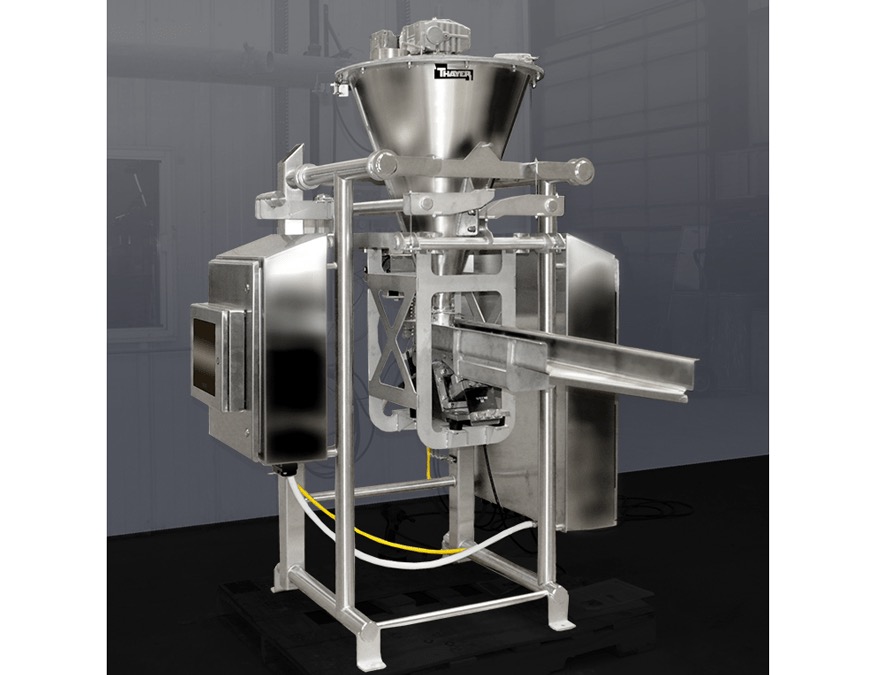
Cleanability should be part of feeder design before the first weld is made
Many projects add cleaning requirements late, after the bowl layout and access points are already fixed. That usually leads to awkward compromises: good feeding performance paired with poor access, trapped debris, or long cleaning downtime. In food, pharma, medical, or simply dirty industrial environments, that is an avoidable mistake.
Cleanability is not only a material question. It is also about geometry, access, drain behavior, fastener choice, and how much of the product-contact path a real operator can reach. This article pairs with our food-grade feeder guide and capsule feeding guide.
What makes a feeder hard to clean
The first issue is inaccessible geometry. Deep pockets, hidden corners, overlapping guards, and hard-to-reach fasteners turn routine cleaning into a maintenance event.
The second issue is material mismatch. A feeder may use the right stainless grade and still be difficult to clean if the welds, surface finish, and joints trap residue or debris.
The third issue is cleaning-versus-stability tension. Teams sometimes treat cleanability as the enemy of feeder performance, when the real goal is to design both in from the start.
| Case | Main risk | Design focus | What to verify |
|---|---|---|---|
| Food-contact feeder | Residue retention | Smooth access and product-contact review | Cleaning time |
| Washdown environment | Water traps | Drain path and sealed hardware | Dry-down behavior |
| Medical or pharma line | Inspection difficulty | Open visibility and traceable surfaces | Visual inspection quality |
| Dusty industrial feeder | Frequent buildup | Easy wipe-down and quick access | Routine maintenance burden |
How to think about cleanability during feeder design
Start with the real cleaning method. Wipe-down, dry clean, alcohol clean, and washdown each drive different design choices. Without that context, “easy to clean” stays too vague to be useful.
Map the product-contact path early. That path should be reachable, visible, and free of unnecessary traps. The more hidden transitions it contains, the more cleaning time and inspection doubt you create later.
If the feeder must also keep high orientation stability, review how removable covers, fasteners, or drain-friendly shapes affect rigidity. That trade-off is easier to manage in design than in retrofit.
Rules that improve bowl-feeder cleanability
- Define the cleaning method before final design. This prevents vague sanitation requirements from showing up too late.
- Keep product-contact areas visible and reachable. If operators cannot see or reach it, it will not stay clean.
- Reduce residue traps at joints and transitions. Geometry matters as much as material.
- Validate cleanability with the real users. Engineering assumptions about access are often optimistic.
A cleanable feeder is not one that looks hygienic in a rendering. It is one that a real operator can inspect and clean within the production routine the plant actually uses.
How to validate cleanability during a project
Time the actual cleaning routine and ask whether operators can reach the product-contact path without special improvisation. A feeder that needs too much disassembly will lose acceptance quickly.
Inspect the bowl after cleaning and after dry-down. Some designs look good when wet and still hold residue or trapped water in awkward spots.
If the project is regulated, review documentation, surface finish expectations, and material traceability as part of the cleanability discussion, not as a separate late-stage file exercise.
Buyer checklist before requesting a quote
- State the cleaning method clearly.
- Describe runtime and cleaning frequency.
- Call out any product-contact inspection requirement.
- Ask to review product-contact access before build release. That catches many avoidable issues early.
Huben Automation reviews feeder cleanability around access, product-contact geometry, and the real cleaning routine used on the floor. If you want help checking cleanability requirements on a feeder project, send us the process and sanitation notes.
Ready to Automate Your Production?
Get a free consultation and detailed quote within 12 hours from our engineering team.