Bowl Feeder Changeover Reduction Guide 2026

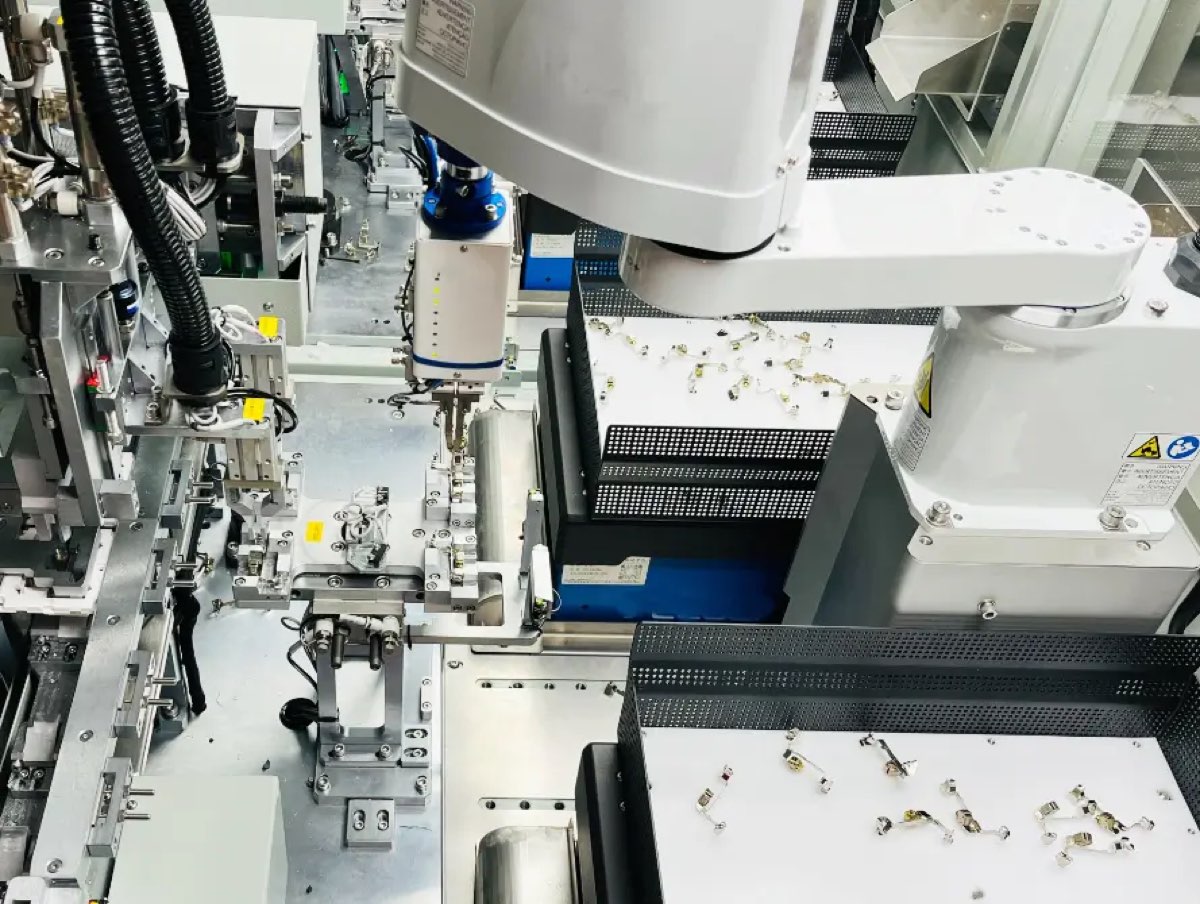
Changeover time matters more once the feeder stops being dedicated equipment
Classic bowl feeders were built for long runs of one part. Many factories no longer work that way. As product mix rises, feeder changeover becomes a real productivity cost rather than a rare maintenance event.
Reducing changeover is not just a tooling question. It also depends on setup clarity, sensor reset, verification, and how much adjustment the operator is expected to improvise. This article connects with our flexible feeder integration guide.
Why feeder changeovers stay slow
One reason is too many manual adjustments. If the operator has to reset gaps, stops, air, sensor brackets, and controller settings one by one, downtime grows quickly.
The second reason is unclear verification. A changeover is not complete when the parts start moving. It is complete when the feeder proves stable output again.
The third reason is mixed expectations. Engineering may call a setup "quick change" while production still sees twenty minutes of trial-and-error.
| Changeover problem | Main cause | Better approach | What to measure |
|---|---|---|---|
| Long setup time | Too many manual points | Modular tooling and fixed references | Hands-on change time |
| Repeated small jams | Poor verification after setup | Short structured runoff check | Stability after restart |
| Operator dependency | Setup relies on experience only | Visual guides and saved settings | Repeatability by operator |
| Frequent misadjustment | Adjustment ranges are too open | Constrain critical settings | Error rate after change |
When to improve the bowl and when to change the concept
If part variants stay close in geometry, modular bowl tooling can work well. If the product family is broad, the better answer may be flexible feeding or a different presentation method.
Trying to force one bowl to handle too many unrelated parts often creates a system that is never really stable for any of them.
The practical target is not universal flexibility. It is acceptable downtime with acceptable repeatability.
Rules for reducing changeover time honestly
- Reduce the number of settings the operator touches.
- Use fixed references where possible.
- Save controller and sensor settings by variant.
- Validate the first five minutes after restart.
A feeder that changes quickly but runs badly is not actually helping production.
How to validate changeover performance
Time the full changeover from last good part of the old run to first stable part of the new run. That is the metric the floor cares about.
Repeat the change with different operators. If only one technician can do it quickly, the design is not mature yet.
Include cleanup, settings, and verification in the timing. Those steps are part of the real cost.
Buyer checklist before requesting a quote
- List all target part variants clearly.
- State the maximum acceptable downtime per changeover.
- Describe who will perform the changeover.
- Share which settings currently cause the most trouble.
Huben Automation reviews quick-change feeder projects around real operator workload, fixed references, and stable restart behavior. If you want help checking changeover reduction options, send us the variant list and current setup routine.
Ready to Automate Your Production?
Get a free consultation and detailed quote within 12 hours from our engineering team.