Bolt Feeding System Guide 2026

Bolt feeding is usually limited by control, not by raw power
Bolts are heavier than screws, easier to hear in the bowl, and much less forgiving when the discharge line starts to back up. Buyers often focus on drive strength first. That matters, but orientation control and stable handoff usually decide whether the line runs well.
A good bolt feeding system balances bowl size, track support, head selection, and refill strategy. It also fits the assembly step that follows. This article pairs naturally with our screw feeder guide and buffer management guide.
What makes bolt feeding different from screw feeding
The obvious difference is mass. Bolts place more load on the track and create stronger impact at turns and selection points. That changes spring tuning, surface wear, and noise.
The second difference is head geometry. Hex bolts, flange bolts, and shoulder bolts each ride differently. One selector concept rarely fits all of them well.
The third difference is refill behavior. A bowl that runs cleanly with half a load can become chaotic after a fresh refill if the bolt pile collapses unevenly into the track entrance.
| Bolt situation | Main risk | Preferred design focus | Validation point |
|---|---|---|---|
| Short hex bolt | Head orientation drift | Stable head selector | Orientation yield |
| Long bolt | Bounce and track instability | Larger bowl and controlled turns | Jam rate at corners |
| Flange bolt | Selector interference | Dedicated flange clearance | Exit repeatability |
| Oily bolt | Slip and pile-up | Surface review and refill logic | Long-run consistency |
Choosing bowl size and feeder concept
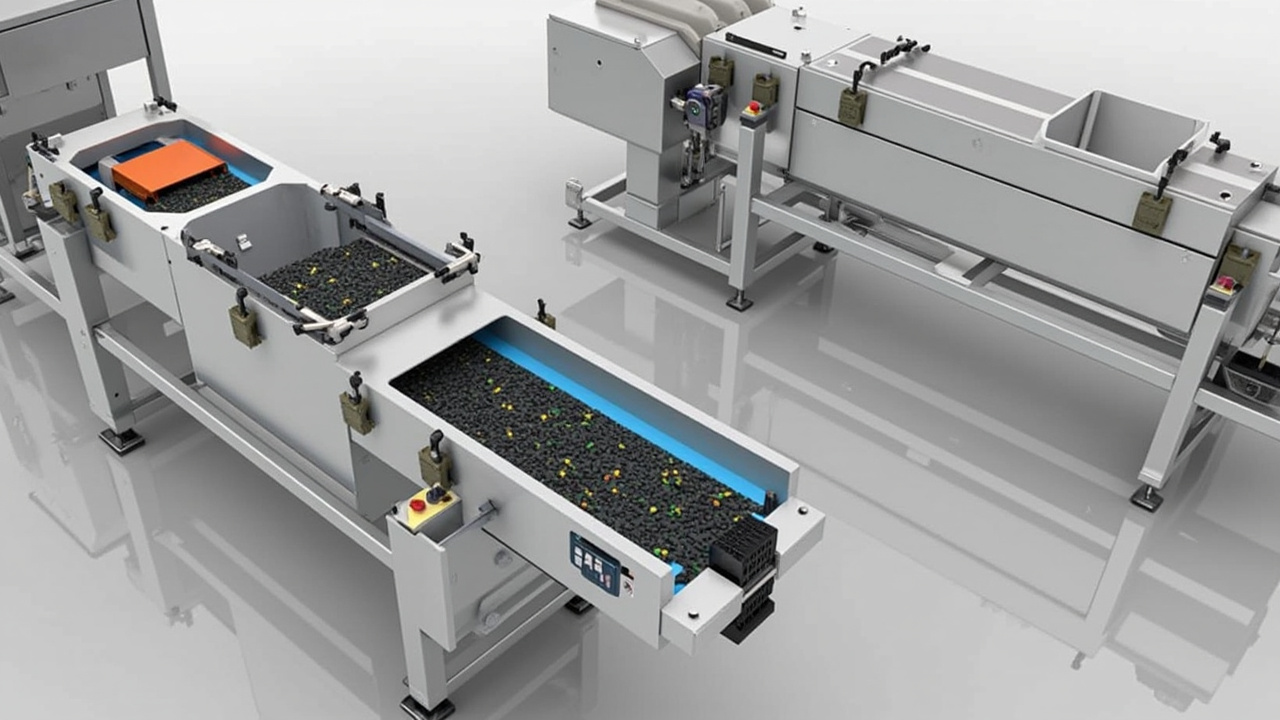
For a stable single bolt family, a standard bowl feeder still gives the best mix of footprint and rate. If the bolts are long or have complex heads, moving up one bowl size often pays for itself in calmer tooling and easier tuning.
For very high rates, some teams compare bowl feeders with centrifugal concepts. The better choice depends on orientation demand and acceptable complexity. If head position must be nearly perfect, the bowl often keeps the advantage.
If the line changes between several bolt variants, modular change parts or a flexible presentation stage may save more time than chasing one universal bowl design.
Design rules that reduce bolt-feeder trouble
- Do not size only by bolt length. Head shape matters just as much.
- Watch refill behavior early. Heavy parts change bowl dynamics after each top-up.
- Protect the exit section. A weak final track can undo a good bowl layout.
- Separate rate from usable rate. Real output is the count that reaches the station correctly.
Many bolt-feeder headaches come from trying to run the bowl faster instead of making the path calmer.
How to validate a bolt feeder in context
Measure output after the escapement or after the pick point, not only at the bowl exit. That is the number the assembly line actually sees.
Run the feeder through repeated refill cycles. Heavy fasteners often show their real instability during the first minute after refill, not during steady-state operation.
If the next process is screwdriving or pressing, confirm alignment and dwell time at the release point. A feeder can achieve good orientation but still deliver parts with too much motion for the tool to catch reliably.
Buyer checklist before requesting a quote
- Send bolt samples that match production surface condition. Zinc, oil, or coating changes behavior.
- State the required head orientation clearly. This sets the tooling logic.
- Include refill expectations. Manual refill and hopper refill create different dynamics.
- Show the next machine interface. Feeding into a screwdriver is not the same as feeding to a tray or robot.
Huben Automation reviews bolt applications around head control, real output, and stability after refill. If you want help checking a bolt feeder concept, send us the part data and assembly interface details.
Ready to Automate Your Production?
Get a free consultation and detailed quote within 12 hours from our engineering team.