Hướng dẫn Cấp phôi Lắp ráp Bàn xoay 2026

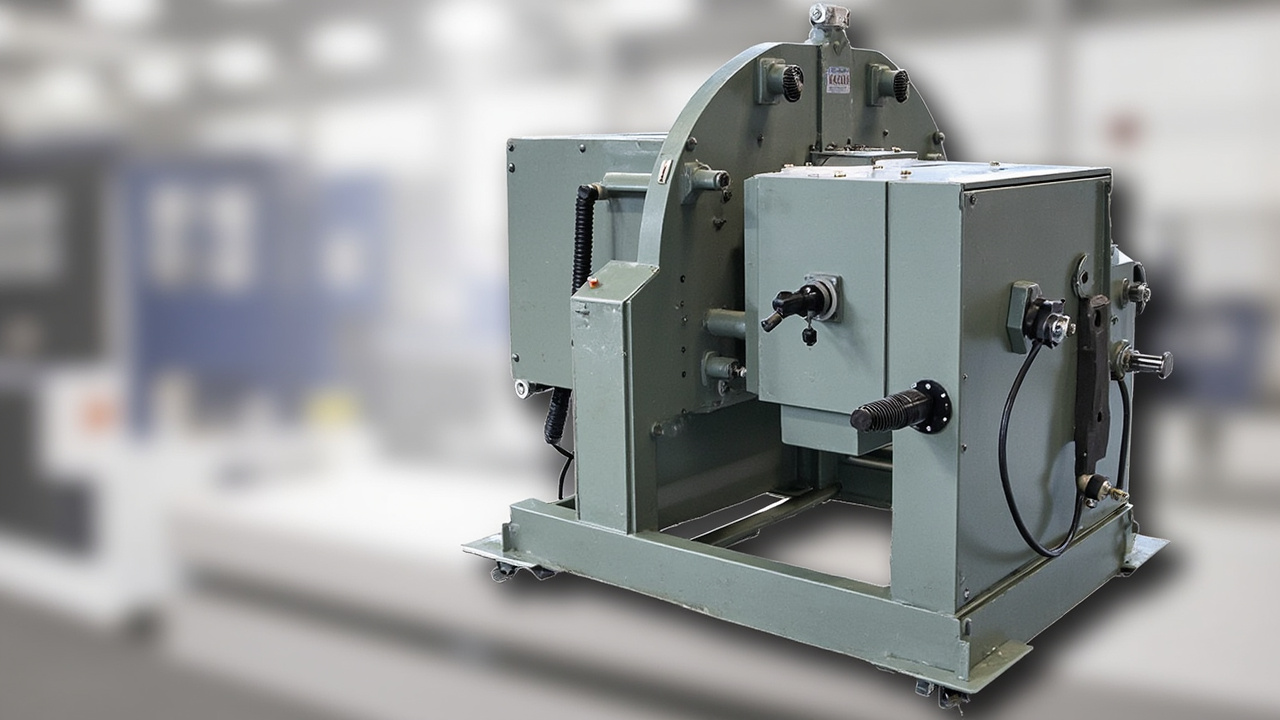
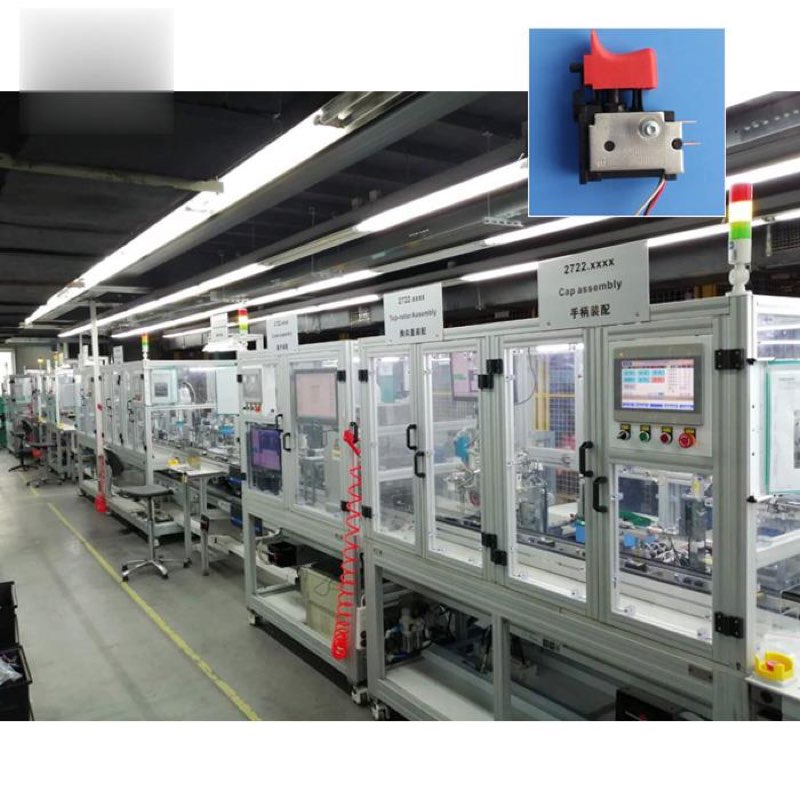
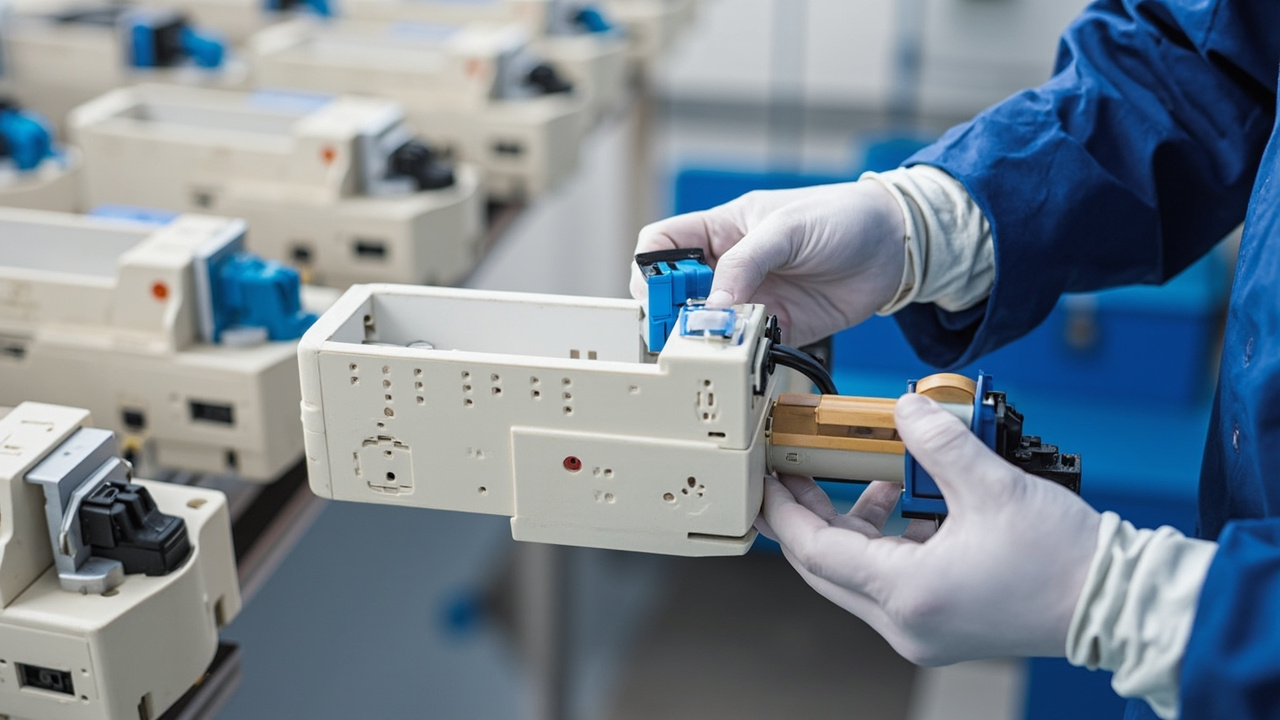
bàn xoay projects fail early when feeding is treated as an accessory
On a bàn xoay machine, feeding is not just one more module around the table. It decides how often the dial waits, how often stations starve, and how much margin the line has when change or wear appears. A fast dial with weak feeding still feels slow in production.
The best dial projects treat feeder timing, buffer logic, and station handoff as part of the machine concept from day one. This article sits naturally next to our lắp ráp machine guide.
What feeding has to do on a dial machine
The feeder must provide parts at the right rate, but that is only the start. It also has to hand off in a way that fits indexing motion, nest timing, and whatever variation the part family brings.
The second issue is space. bàn xoays are compact, and feeding hardware often has to fit around limited access zones without making maintenance miserable.
The third issue is starvation rủi ro. A short buffer at the wrong station can cut the whole machine’s effective output.
| Dial-machine concern | Main feeder rủi ro | Design focus | What to verify |
|---|---|---|---|
| Short station dwell | Late part arrival | Stable pre-positioning | Parts ready before index |
| Tight footprint | Poor service access | Compact but maintainable layout | Tooling access time |
| Mixed station demand | One feeder becomes bottleneck | Balanced buffer logic | Starvation frequency |
| Precision insertion | Weak final presentation | Calm cơ cấu xuất and nest handoff | Pick or insertion success |
How to match feeders to dial stations
High-volume repetitive stations usually suit dedicated máy cấp báts. Complex or variant-heavy stations may justify flexible presentation or manual tray support if the cycle allows it.
Not every dial station needs the same feeder strategy. Hybrid layouts often work best because they match the feeder type to the part behavior instead of forcing one approach across the machine.
The key is to review all stations together. One slow station changes the value of every other feeder choice.
Rules that improve dial-feeding projects
- Budget feeder timing into the machine concept early.
- Protect service access around the dial.
- Measure starvation by station, not only by machine average.
- Validate with the actual index sequence.
bàn xoay projects usually go best when feeding is treated as part of the process architecture, not as a later add-on.
How to validate feeder integration on a dial machine
Run the machine with the real index timing and look for station-level starvation, not just overall output. A single weak feeder can hide inside a decent machine average.
Check refill, loại bỏ, and alarm recovery as part of the xác thực. Dials suffer when small interruptions are hard to clear.
If a robot or press station depends on precise pre-positioning, validate that final part state at machine speed.
Buyer checklist before requesting a quote
- Share target cycle time by station.
- List which stations are most sensitive to starvation.
- Describe service and access constraints around the dial.
- Include expected future variant changes.
Huben tự động hóa reviews bàn xoay feeding around station demand, maintainable layout, and realistic starvation control. If you want help checking a dial-machine concept, send us the station plan and part list.
Sẵn sàng Tự động hóa Sản xuất?
Nhận tư vấn miễn phí và báo giá chi tiết trong vòng 12 giờ từ đội ngũ kỹ thuật của chúng tôi.