Cách Giảm Tiếng ồn Máy cấp Rung: 8 Giải pháp Thực tế cho Vận hành Yên tĩnh

Understanding máy cấp rung tiếng ồn: Sources and Impact
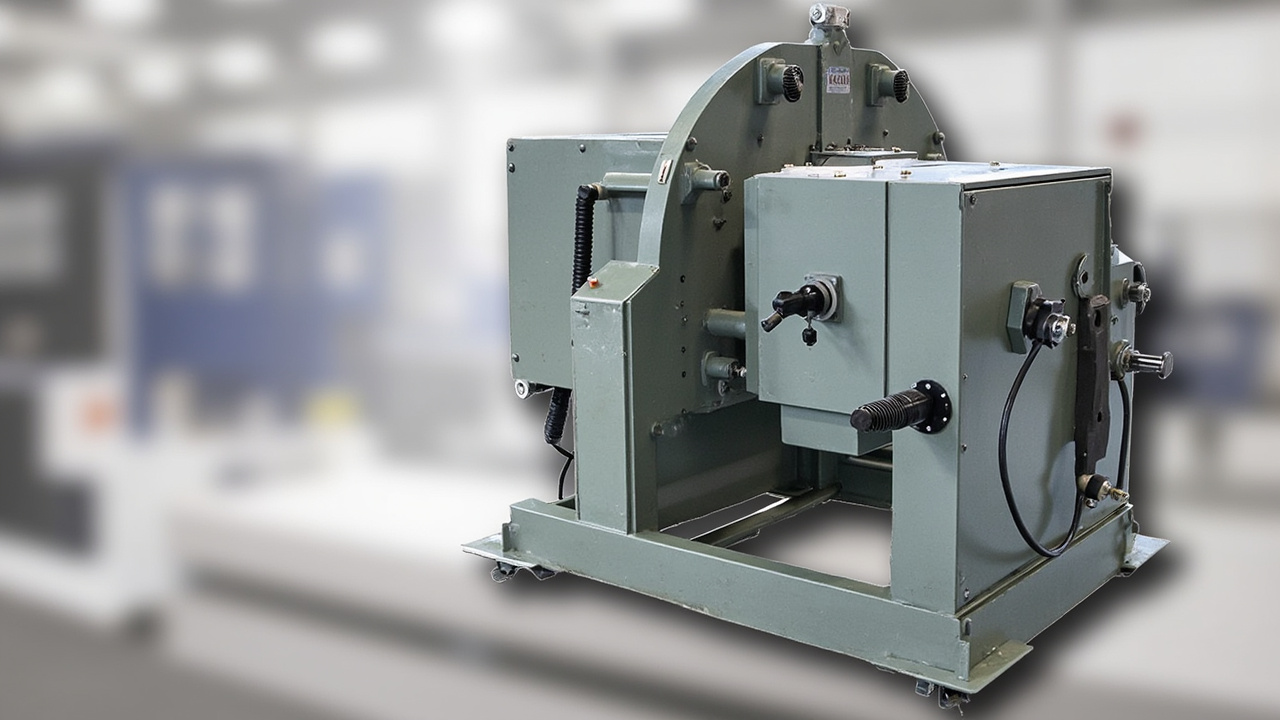
Vibratory máy cấp báts are indispensable in modern manufacturing, but they are also one of the most common sources of industrial tiếng ồn on the factory floor. A typical máy cấp rung generates tiếng ồn levels between 75 and 95 dB(A), depending on the part material, bowl size, rung động frequency, and whether a sound enclosure is used. Prolonged exposure to these levels poses serious rủi ros to worker health and can push your facility out of compliance with occupational tiếng ồn regulations.
Before you can effectively reduce máy cấp rung tiếng ồn, you need to understand where it comes from. There are three primary tiếng ồn sources in any vibratory feeding system:
Mechanical rung động tiếng ồn
The electromagnetic drive unit generates controlled rung độngs that propagate through the bowl, base, and mounting structure. These rung độngs cause the entire feeder lắp ráp to act as a sounding board, amplifying tiếng ồn across a broad frequency range. The spring packs that store and release energy during each rung động cycle also contribute to mechanical tiếng ồn, especially when they become worn or loose.
Part Collision tiếng ồn
As parts travel up the spiral track, they constantly contact the bowl surface, tooling, and each other. Metal-on-metal impacts between steel or brass parts and a stainless steel bowl can produce sharp, high-frequency tiếng ồn peaks exceeding 100 dB. This is typically the loudest component of máy cấp rung tiếng ồn, particularly when feeding hard, metallic parts at high speeds.
Electromagnetic Hum
The electromagnetic coil in the drive unit produces a low-frequency hum at the rung động frequency (typically 50-120 Hz). While usually the quietest of the three sources, electromagnetic hum can be particularly annoying to workers and may resonate with building structures, amplifying the perceived tiếng ồn level.
Workplace tiếng ồn Regulations You Need to Know
Understanding regulatory requirements is essential before implementing tiếng ồn reduction measures. The most widely referenced standard is OSHA 29 CFR 1910.95, which sets the following limits for US workplaces:
| Duration per Day (hours) | Permissible tiếng ồn Level dB(A) |
|---|---|
| 8 | 85 (action level) / 90 (PEL) |
| 6 | 92 |
| 4 | 95 |
| 2 | 100 |
| 1 | 105 |
At the 85 dB(A) action level, employers must implement a hearing conservation program, provide audiometric testing, and offer hearing protection. At 90 dB(A), engineering controls are required to reduce exposure. The EU Directive 2003/10/EC sets even stricter limits, with an exposure action value of 80 dB(A) and an exposure limit value of 87 dB(A). Reducing máy cấp rung tiếng ồn below 80 dB(A) should be the target for any facility aiming for global best practice.
Huben Expert Tip
Always provide your tự động hóa supplier with the exact production parts, including edge-case defective parts. Designing tooling around perfect CAD models often leads to jamming in real-world scenarios.
How to Measure máy cấp rung tiếng ồn
Before investing in tiếng ồn reduction solutions, establish a baseline measurement:
- Use a calibrated sound level meter — A Class 2 meter is sufficient for industrial assessments. Measure at the operator's ear position (typically 1 meter from the feeder).
- Measure A-weighted decibels dB(A) — This weighting approximates human hearing sensitivity and is the standard for workplace tiếng ồn assessment.
- Take multiple readings — Measure with the feeder running empty, with parts, and at different rung động amplitudes to identify the dominant tiếng ồn source.
- Use a frequency analyzer — If possible, perform a frequency analysis to determine whether the tiếng ồn is dominated by low-frequency rung động or high-frequency part collision. This directly informs which solution will be most effective.
- Document everything — Record the date, measurement position, feeder settings, part type, and ambient tiếng ồn level for future comparison.
Solution 1: Sound Enclosures and Acoustic Hoods
A sound enclosure is the single most effective tiếng ồn reduction solution for vibratory máy cấp báts. A well-designed acoustic hood can reduce tiếng ồn by 15-25 dB(A), bringing even the loudest feeders below the 80 dB(A) threshold.
How it works: Sound enclosures surround the feeder with acoustic panels that absorb and block sound waves. The panels typically consist of an outer layer of sheet steel (for structural integrity and sound blocking), a middle layer of mineral wool or acoustic foam (for sound absorption), and an inner perforated steel liner (to protect the absorption material).
Key design considerations:
- Ensure adequate clearance for part loading and discharge chutes
- Include viewing windows made of laminated acoustic glass
- Provide access doors for maintenance and tooling adjustments
- Seal all gaps and joints with acoustic gaskets — even a 1% gap can reduce effectiveness by 10 dB
- Allow for ventilation to prevent heat buildup from the electromagnetic coil
Cost: $300-$1,500 for a standard enclosure; $1,500-$3,000 for a fully featured enclosure with windows, doors, and ventilation.
Solution 2: Bowl Coatings (Polyurethane and cao su)
Applying a coating to the bowl's internal track surface dramatically reduces part collision tiếng ồn — the loudest tiếng ồn source in most feeder installations. Coatings cushion the impact between parts and the bowl, converting sharp metallic impacts into softer, damped contacts.
Common coating options:
- Polyurethane coating — The most popular choice. Provides excellent wear resistance, reduces tiếng ồn by 5-12 dB(A), and can be applied in thicknesses from 1-5mm. Ideal for most metal and nhựa parts. Typical lifespan: 1-3 years depending on part abrasiveness.
- cao su lining — Offers superior tiếng ồn reduction (8-15 dB(A)) but lower wear resistance than polyurethane. Best for lighter parts and lower-volume applications. Can degrade with exposure to oils and certain chemicals.
- Brush coating (flocking) — A fine velour-like surface applied to the track. Extremely effective at reducing part bounce and collision tiếng ồn (10-15 dB(A) reduction). Most commonly used for delicate parts like electronic components and medical devices.
Cost: $100-$500 for polyurethane coating; $150-$600 for cao su lining. This is one of the most cost-effective tiếng ồn reduction solutions available.
Solution 3: rung động Isolation Mounts
rung động isolation prevents mechanical rung động from transferring from the feeder to the workbench, floor, or building structure, where it can radiate as secondary tiếng ồn. This is especially important in multi-story buildings or when feeders are mounted on lightweight workbenches.
Types of isolation mounts:
- cao su isolation pads — Simple, inexpensive, and effective for reducing high-frequency rung động transmission. Place between the feeder base and the mounting surface. tiếng ồn reduction: 3-8 dB(A) for structure-borne tiếng ồn.
- Spring isolation mounts — More effective at low frequencies. Adjustable spring mounts allow tuning to the specific rung động frequency of the feeder. tiếng ồn reduction: 5-12 dB(A) for structure-borne tiếng ồn.
- Air spring isolators — The most effective solution for heavy feeders and low-frequency rung động. khí nén isolation provides excellent damchốtg across a wide frequency range. tiếng ồn reduction: 8-15 dB(A) for structure-borne tiếng ồn.
Important: Ensure the mounting surface is rigid and level. A feeder mounted on a flexible or resonant surface will amplify rung động rather than isolate it.
Cost: $20-$100 for cao su pads; $100-$400 for spring mounts; $300-$1,000 for air spring isolators.
Solution 4: Frequency Optimization and Tuning
Every máy cấp rung has a resonant frequency at which it operates most efficiently. Running a feeder at the wrong frequency wastes energy and generates excessive tiếng ồn. Proper frequency tuning ensures the feeder vibrates at its natural resonant frequency, requiring less amplitude (and therefore less tiếng ồn) to achieve the same feeding speed.
How to optimize:
- Start with the manufacturer's recommended frequency — Most feeders are designed to operate at 50-60 Hz or 100-120 Hz.
- Use a variable frequency controller — Modern controllers allow fine-tuning of rung động frequency in 1 Hz increments. Adjust the frequency while monitoring feeding speed and tiếng ồn level to find the optimal operating point.
- Reduce amplitude to the minimum effective level — Many feeders are set to vibrate harder than necessary. Reducing amplitude by even 10-20% can decrease tiếng ồn by 3-6 dB(A) with minimal impact on feeding speed.
- Check spring pack condition — Worn or fatigued springs shift the resonant frequency, forcing the drive to work harder. Replace springs at recommended intervals to maintain optimal tuning.
Cost: $100-$500 for a variable frequency controller; $50-$200 for spring pack replacement.
Solution 5: Part Cushioning Inserts and Tooling Modifications
Custom inserts placed at high-impact points within the bowl can significantly reduce tiếng ồn from part collisions without affecting feeding performance. These are particularly effective at the discharge point, định hướng tooling, and return zones where parts fall back into the bowl.
Common insert types:
- Delrin or nylon tooling inserts — Replace metal tooling with engineering nhựa equivalents at key contact points. Reduces impact tiếng ồn by 5-10 dB(A) at those locations.
- cao su bumpers at return zones — Soft bumpers at the points where loại bỏed parts fall back into the bowl center cushion the landing and reduce tiếng ồn.
- Foam-lined discharge chutes — Line the discharge chute with closed-cell foam or cao su to dampen the sound of parts exiting the feeder.
- Adjustable baffle angles — Modify baffle angles to reduce the height from which parts fall, decreasing impact energy and tiếng ồn.
Cost: $50-$300 for custom inserts and modifications.
Solution 6: Acoustic Barriers and Room Treatment
When enclosing individual feeders is impractical, acoustic barriers and room-level treatment can reduce tiếng ồn exposure for workers in the surrounding area.
Effective approaches:
- Acoustic partitions — Place freestanding acoustic screens between the feeder and the operator. A single well-placed partition can reduce tiếng ồn by 5-10 dB(A) at the operator position.
- Acoustic ceiling panels — In rooms with hard ceilings, install acoustic ceiling tiles to reduce reverberant tiếng ồn buildup. This can lower the overall room tiếng ồn level by 3-6 dB(A).
- Wall absorption panels — Install acoustic panels on hard walls near the feeder to reduce reflected sound. Particularly effective in small, hard-surfaced rooms.
- Feeder room segregation — In new facility designs, locate noisy feeders in a dedicated room with acoustic-rated walls and doors. Operators monitor feeders through windows or cameras.
Cost: $200-$1,000 per partition; $5-$20 per square foot for wall/ceiling panels.
Solution 7: Proper Maintenance for tiếng ồn Control
A well-maintained feeder is inherently quieter than a neglected one. Many tiếng ồn problems develop gradually as components wear, making them easy to overlook until they become severe. Implement a proactive maintenance schedule focused on tiếng ồn-critical components:
- Inspect and tighten all fasteners — Loose bolts and ốcs create rattling tiếng ồns that can add 5-10 dB(A) to the overall tiếng ồn level. Check and retighten all fasteners monthly.
- Replace worn spring packs — Fatigued springs change the feeder's resonant frequency, causing the drive to work harder and generate more tiếng ồn. Replace springs every 12-24 months depending on usage.
- Lubricate the electromagnetic coil gap — Dust and debris in the coil gap can cause buzzing and arcing. Clean the gap regularly and ensure the air gap is set to the manufacturer's specification.
- Check bowl mounting — Ensure the bowl is properly secured to the base. A loose bowl creates excessive rung động and tiếng ồn.
- Inspect tooling for wear — Worn tooling allows parts to bounce and collide more freely, increasing tiếng ồn. Replace worn tooling promptly.
- Clean the bowl track — Oil, debris, and part fragments on the track cause irregular part movement and increased collision tiếng ồn.
Cost: Minimal — primarily labor and occasional replacement parts ($50-$200/year).
Solution 8: Alternative Feeder Types for tiếng ồn-Sensitive Environments
When tiếng ồn reduction is a primary requirement, consider replacing máy cấp rungs with inherently quieter feeding technologies:
- máy cấp bậcs — Use mechanical steps instead of rung động to lift and orient parts. tiếng ồn levels typically 55-70 dB(A). Ideal for larger parts and coated components.
- máy cấp ly tâms — Use rotational force rather than rung động. tiếng ồn levels typically 65-75 dB(A). Faster than máy cấp rungs for simple, symmetrical parts.
- Flexible vision feeders — Use a gently vibrating platform with robotic picking. The rung động amplitude is much lower than a máy cấp bát, resulting in tiếng ồn levels of 60-72 dB(A). Also eliminates the need for noisy mechanical tooling.
- Conveyor-based feeding — Belt or linear conveyors with vision-guided selection produce minimal tiếng ồn (50-65 dB(A)). Best for flat parts and applications where định hướng can be achieved by robotic handling.
Cost: máy cấp bậcs: $1,500-$4,000; máy cấp ly tâms: $2,000-$6,000; Flexible vision feeders: $3,000-$8,000.
Comparison of tiếng ồn Reduction Solutions
| Solution | tiếng ồn Reduction | Cost (USD) | Implementation Difficulty | Best For |
|---|---|---|---|---|
| Sound Enclosure | 15-25 dB(A) | $300 - $3,000 | Moderate | Any feeder, maximum reduction |
| Bowl Coating (Polyurethane) | 5-12 dB(A) | $100 - $500 | Easy | Metal parts, cost-effective |
| Bowl Coating (cao su) | 8-15 dB(A) | $150 - $600 | Easy | Lighter parts, maximum coating reduction |
| rung động Isolation Mounts | 3-15 dB(A) | $20 - $1,000 | Easy | Structure-borne tiếng ồn |
| Frequency Optimization | 3-6 dB(A) | $100 - $500 | Moderate | All feeders, tuning improvement |
| Part Cushioning Inserts | 5-10 dB(A) | $50 - $300 | Easy | High-impact zones |
| Acoustic Barriers | 5-10 dB(A) | $200 - $1,000 | Easy | Operator protection |
| Proper Maintenance | 3-10 dB(A) | $50 - $200/yr | Easy | All feeders, ongoing |
| Alternative Feeder Type | 20-40 dB(A) | $1,500 - $8,000 | Significant | tiếng ồn-critical environments |
Recommended Approach: Combining Solutions
The most effective tiếng ồn reduction strategy combines multiple solutions. A practical approach for most facilities:
- Start with bowl coating — The lowest cost, highest value solution. Apply polyurethane coating to reduce part collision tiếng ồn by 5-12 dB(A) for under $500.
- Add rung động isolation — Install cao su isolation pads to reduce structure-borne tiếng ồn for $20-$100.
- Optimize frequency and amplitude — Tune the feeder to its resonant frequency and reduce amplitude to the minimum effective level.
- Implement regular maintenance — Establish a monthly inspection schedule for fasteners, springs, and tooling.
- Add a sound enclosure if needed — If the above measures don't bring tiếng ồn below your target level, a sound enclosure will provide the additional 15-25 dB(A) reduction needed.
This layered approach can reduce máy cấp rung tiếng ồn from 90+ dB(A) to below 75 dB(A) — well within compliance with all major workplace tiếng ồn regulations.
Low-tiếng ồn Feeder Solutions from Huben tự động hóa
Huben tự động hóa has over 20 years of experience designing and manufacturing vibratory máy cấp báts and custom tự động hóa equipment. As an ISO 9001 certified manufacturer, we build tiếng ồn reduction into every feeder we produce:
- Standard polyurethane bowl coating on all feeders
- Optional sound enclosures designed for each bowl size
- rung động isolation mounts included with every system
- Variable frequency controllers for optimal tuning
- Factory-direct pricing that is 40-60% lower than Western suppliers
Every feeder we ship is tested with your actual parts, and we provide video verification of both feeding performance and tiếng ồn levels before shipment. Contact Huben tự động hóa for a free consultation on low-tiếng ồn feeder solutions tailored to your production requirements.
Sẵn sàng Tự động hóa Sản xuất?
Nhận tư vấn miễn phí và báo giá chi tiết trong vòng 12 giờ từ đội ngũ kỹ thuật của chúng tôi.