Hướng dẫn Cấp phôi Nhựa 2026

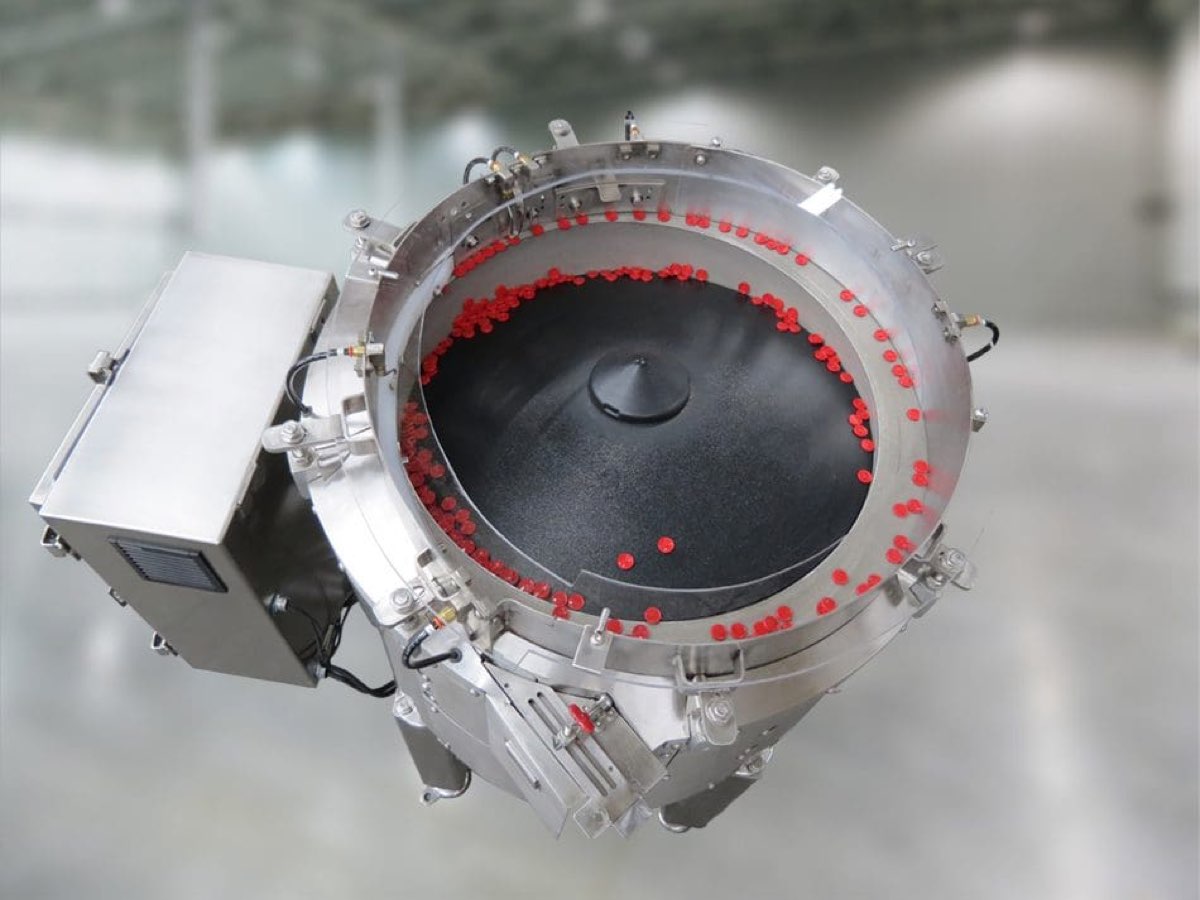
nhựa parts need a different feeding mindset
nhựa cấp phôi is rarely limited by pure motion. The bigger issues are usually scratches, static cling, part deformation, and inconsistent định hướng caused by low weight. A máy cấp bát that runs metal parts well can perform badly with molded nhựa parts because the contact behavior is completely different. What slides cleanly on steel may skid, bounce, or stick when the part is light and non-conductive.
That is why nhựa parts should be treated as surface-sensitive components, even when they look simple. Gloss finish, gate marks, flash, and small burrs all affect feeding. So does the resin family. A nylon part, a PP cap, and an ABS housing may share a size range while behaving nothing alike in the bowl.
This guide looks at the practical choices that matter: bowl material, coating, ESD control, track angle, and the point where a máy cấp linh hoạt is safer than a mechanical bowl. If your current line already suffers from scuffing, pair this guide with our coating guide and materials guide.
Surface damage and static are the two big traps
Scratches usually show up first on cosmetic parts such as caps, housings, switches, and visible consumer components. The root cause is often metal-on-nhựa contact at selector points or track corners. A bowl may still feed correctly while damaging the visible face of the part. That is why visual quality criteria need to be discussed before the tooling design is frozen.
Static is the second trap. Light nhựa parts cling to each other, ride in pairs, or stick to the bowl wall. This is common on dry factory floors and especially visible on small connectors or thin molded pieces. Operators often call it a feeding problem when it is really an electrostatic one. Grounding, humidity control, and material choice all help, but they need to be considered together.
Part stiffness matters too. Thin-wall molded parts can deform when loại bỏ tooling is too aggressive. If a part flexes as it passes a selector, the định hướng result becomes inconsistent and the geometry can even change enough to jam downstream.
| nhựa part issue | Typical symptom | Common cause | Practical fix |
|---|---|---|---|
| Cosmetic scratches | Visible marks after feeding | Hard contact points | Nylon bowl or soft coating |
| Static cling | Parts travel in pairs or stick | Dry air and non-conductive surface | ESD control and anti-static material strategy |
| Part deformation | Inconsistent định hướng or fit | Over-aggressive loại bỏ tooling | Reduce force and calm the motion |
| Slip on the track | Low feed rate and fall-back | Wrong surface friction | Adjust coating or track geometry |
Bowl materials and coatings
nhựa parts often benefit from nylon bowls, PU coatings, or flock-type surfaces because these options reduce scuffing and soften contact tiếng ồn. Nylon bowls are a good fit when gentle handling matters more than extreme wear life. PU coatings work well for many molded parts because they add grip and cut tiếng ồn without being overly soft. Brush or flock finishes are slower, but they are still useful when visible face protection is the top priority.
The right choice depends on the part. A very light PP cap may need more grip, while a glossy ABS housing may need a softer touch and a lower track speed. There is no universal "nhựa setup." The safe approach is to start from the part finish and acceptable defect level, then work backward into the bowl surface.
If the project includes several nhựa variants, quick-change tooling or a máy cấp linh hoạt can save more money than repeatedly retuning one bowl for marginal compatibility.
When a standard bowl works, and when a máy cấp linh hoạt is safer
Standard vibratory bowls are still a strong choice for single nhựa parts with stable geometry and medium to high volume. They are cost-effective, fast, and durable when the surface treatment is correct. But as soon as the line introduces frequent changeovers, delicate visible surfaces, or several similar part variants, the rủi ro profile changes.
máy cấp linh hoạts run slower, typically around 10-60 ppm, but they handle changeover and delicate định hướng far better. Huben's máy cấp linh hoạts support 2-80 mm parts, recipe-based changeovers under 15 minutes, and robot integration through common industrial protocols. That often makes them the better choice for mixed-model nhựa lắp ráp, especially where retooling time hurts OEE more than raw feed rate.
The real decision point is not whether the part is nhựa. It is whether the part family is stable enough for fixed tooling and whether the cosmetic standard leaves room for mechanical contact.
Practical feed rates and design expectations
nhựa parts do not always run slower than metal parts, but they are less forgiving. If the line needs high rate and high cosmetic quality at the same time, the feeder needs more development work. Many molded nhựa parts land in the 30-150 ppm range on standard bowls, which matches the typical range shown on Huben's nhựa-part solution pages. The right number depends on định hướng complexity and acceptable loại bỏ rate.
Buyers should test with real molded lots, not ideal CAD assumptions. Small flash, colorant changes, and gate variation can all change behavior in the bowl. Those are small details in molding. They are large details in feeding.
What to send before asking for a quote
For a useful nhựa-máy cấp phôi quote, send the actual molded part or 3D data, identify cosmetic surfaces, note whether the line requires ESD control, and state the acceptable surface-defect limit. If the part comes from multiple molds or suppliers, say that early. Tooling that works on one cavity condition may need more margin for another.
Huben tự động hóa builds nhựa cấp phôi systems around part finish, friction behavior, and real changeover needs. If you want a recommendation on bowl surface, coating, or whether a máy cấp linh hoạt makes more sense, send us your nhựa part sample and target rate.
Sẵn sàng Tự động hóa Sản xuất?
Nhận tư vấn miễn phí và báo giá chi tiết trong vòng 12 giờ từ đội ngũ kỹ thuật của chúng tôi.