Cấp phôi Dược phẩm: Giải pháp Máy cấp Rung Tuân thủ GMP
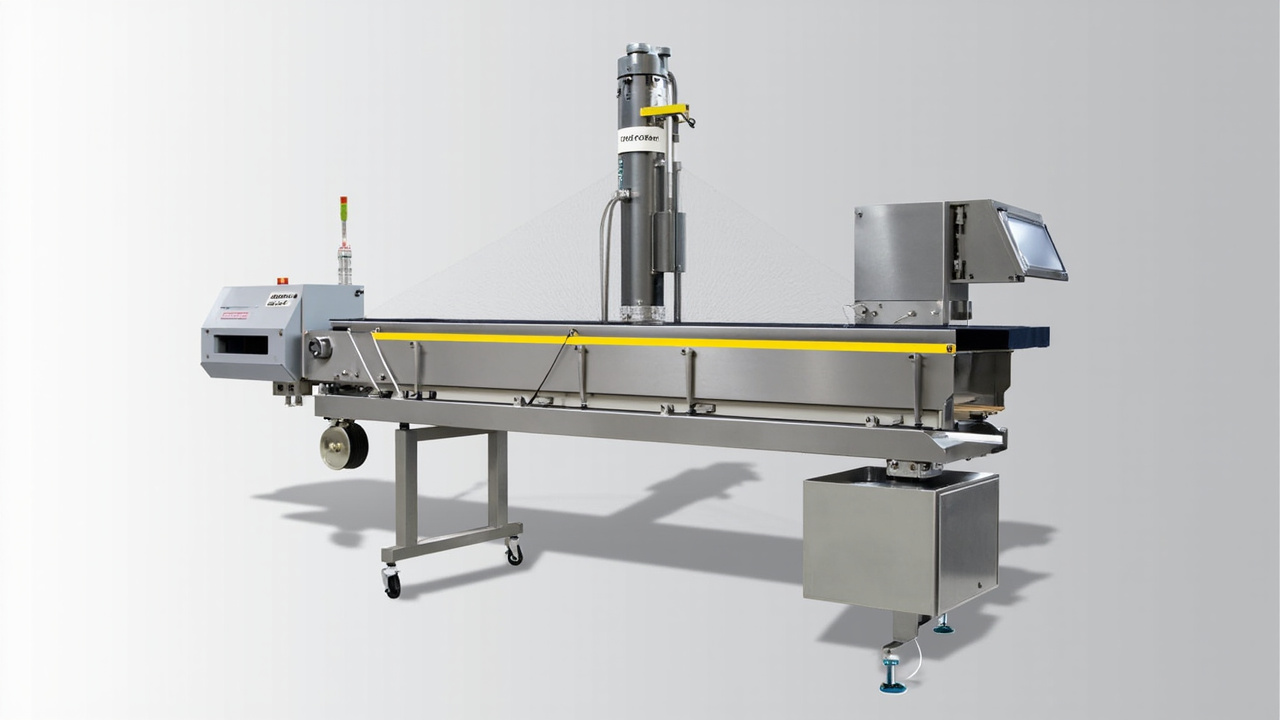
dược phẩm cấp phôi: Unique Challenges
dược phẩm manufacturing operates under the most stringent quality and regulatory requirements of any industry. Every piece of equipment — including máy cấp rung systems — must meet exacting standards for cleanliness, material compatibility, khả năng truy xuất, and xác thực. A single nhiễm bẩn event can trigger product recalls worth millions of dollars, FDA warning letters, and lasting damage to brand reputation.
Common dược phẩm Parts and Feeding Requirements
Capsules
Gelatin and HPMC capsules are lightweight, fragile, and moisture-sensitive. Their cylindrical shape makes them prone to rolling, requiring carefully designed track profiles with minimal drop heights. Feed rates range from 200 to 800 capsules per minute.
Tablets
Tablets vary widely in shape and hardness. Coated tablets are particularly sensitive to surface damage. Uncoated tablets may generate dust during feeding, requiring management to prevent cross-nhiễm bẩn.
Vial Caps and Closures
Aluminum flip-off seals, cao su stoppers, and nhựa vial caps require precise định hướng for downstream capchốtg operations. These lightweight components are susceptible to static charge buildup.
Syringe Components
Barrels, plungers, needle shields, and finger flanges must be fed without surface nhiễm bẩn or damage. Syringe barrels are particularly challenging due to their long, thin geometry.
Blister Pack Components
Lidding foils and blister cavities require careful handling to prevent deformation of thin-gauge materials.
Huben Expert Tip
For parts with multiple định hướng requirements, a vision-guided máy cấp linh hoạt often provides a better ROI than a traditional máy cấp bát due to its rapid changeover capabilities.
GMP Requirements for Feeder Systems
| GMP Requirement | Feeder System Implication | Regulatory Reference |
|---|---|---|
| Product-contact surface integrity | 316L stainless steel or FDA-approved polymers; Ra ≤ 0.8 μm | 21 CFR 211.65; EU GMP Annex 1 |
| Prevention of cross-nhiễm bẩn | Hygienic design with no dead legs or trap points | 21 CFR 211.42; EU GMP Chapter 3 |
| Cleanability and CIP/SIP compatibility | Smooth surfaces, rounded corners, quick-disassemble | EU GMP Annex 1; ISPE GAMP 5 |
| Material certification and khả năng truy xuất | EN 10204 3.1 material certificates | 21 CFR 211.84; EU GMP Chapter 5 |
| Particulate control | Enclosed design, filtered air supply, ISO 14644 | 21 CFR 211.42; EU GMP Annex 1 |
| Equipment qualification (IQ/OQ/PQ) | Documented installation, operational, and performance qualification | 21 CFR 211.68; EU GMP Annex 15 |
| Lubricant control | dược phẩm-grade lubricants only; no product contact | 21 CFR 211.65; USP Class VI |
Material and Surface Requirements
Stainless Steel
AISI 316L is the standard for dược phẩm product-contact surfaces. Low carbon content (≤ 0.03%) provides superior corrosion resistance after welding. Surface roughness should not exceed Ra 0.8 μm, with Ra 0.4 μm preferred. Electropolishing is often specified as a final treatment.
Polymers and Elastomers
PTFE, PEEK, UHMW-PE, and silicone cao su must comply with USP Class VI biocompatibility requirements. Material certificates must document compliance, and polymer components must be replaced on a defined schedule.
phòng sạch and nhiễm bẩn Control
- Enclosure and Containment: Fully enclosed bowls with transparent covers for ISO Class 5 environments, sealed cable glands, filtered air inlets
- Particulate Generation: Low-amplitude rung động, appropriate surface treatments, integrated extraction points
- Bioburden Control: Autoclavable components, CIP/SIP capability, VHP denhiễm bẩn compatibility
xác thực: The IQ/OQ/PQ Process
Installation Qualification (IQ)
Verify model numbers, utility connections, calibration, material certificates, and documentation completeness.
Operational Qualification (OQ)
Test rung động amplitude and frequency across all settings, feed rate across component range, định hướng accuracy (≥99.5%), alarm and interlock verification, cleaning verification, and particulate monitoring.
Performance Qualification (PQ)
Extended run testing (three consecutive successful runs), component damage assessment, statistical analysis of feed rate and định hướng, changeover testing, and challenge testing under worst-case conditions.
Regulatory Compliance Checklist
- Material certificates (EN 10204 3.1 for stainless steel; USP Class VI for polymers)
- Surface finish documentation with Ra measurements
- Weld documentation (procedures, qualifications, inspection reports)
- Passivation records for all stainless steel product-contact surfaces
- Lubricant register with dược phẩm-grade certification
- Cleaning xác thực protocol
- IQ/OQ/PQ protocols with defined acceptance criteria
- Calibration certificates for all measuring instruments
- rủi ro assessment (FMEA or hazard analysis)
- Change control procedure
- Training records for all operators
- Spare parts qualification
Why Huben tự động hóa for dược phẩm Feeding
Huben tự động hóa brings over 20 years of experience designing máy cấp rung systems for regulated industries. Our ISO 9001 certified quality system ensures every feeder meets documented specifications. We provide complete documentation packages including material certificates, surface finish reports, weld records, and xác thực support documentation. Factory-direct pricing eliminates distributor markups, making GMP-compliant feeding technology accessible to dược phẩm manufacturers of all sizes.
Contact Huben tự động hóa to discuss your dược phẩm cấp phôi application.
Sẵn sàng Tự động hóa Sản xuất?
Nhận tư vấn miễn phí và báo giá chi tiết trong vòng 12 giờ từ đội ngũ kỹ thuật của chúng tôi.