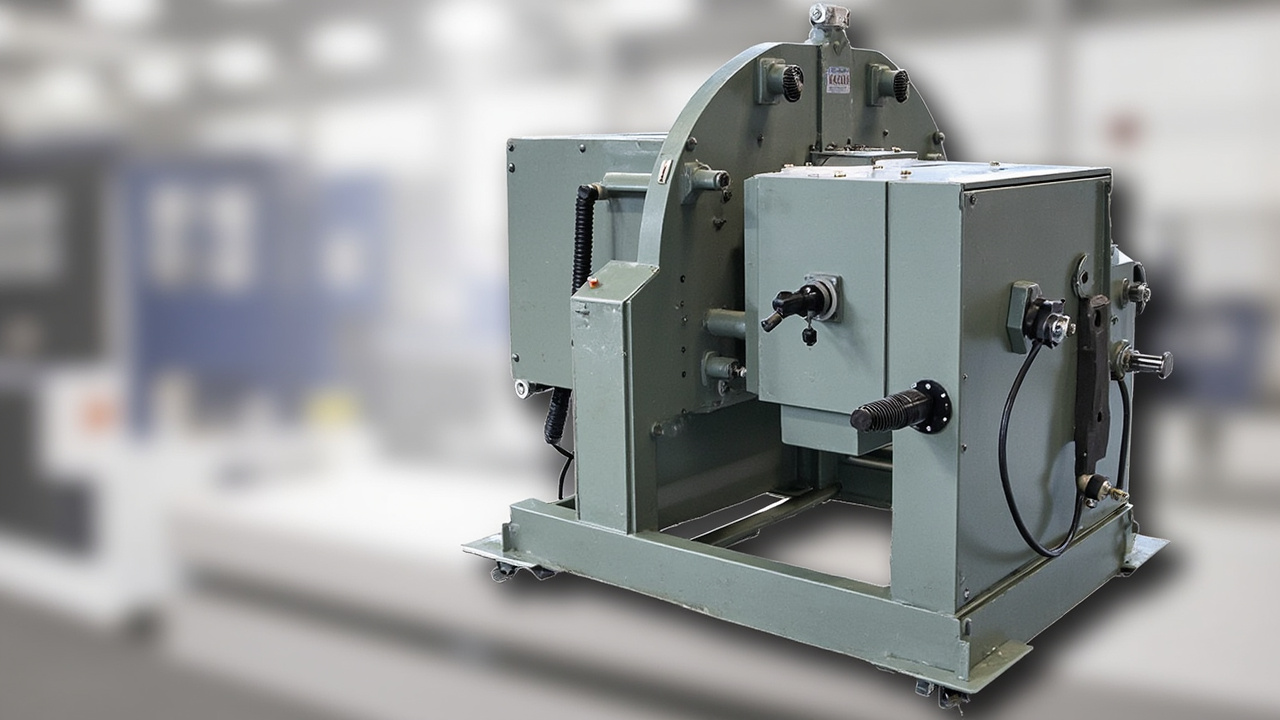
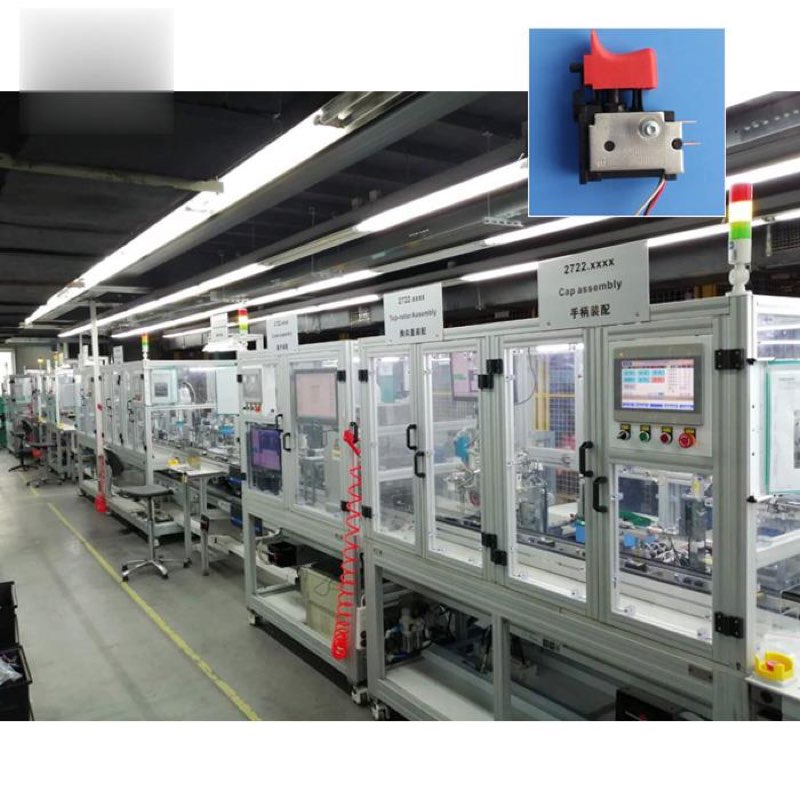
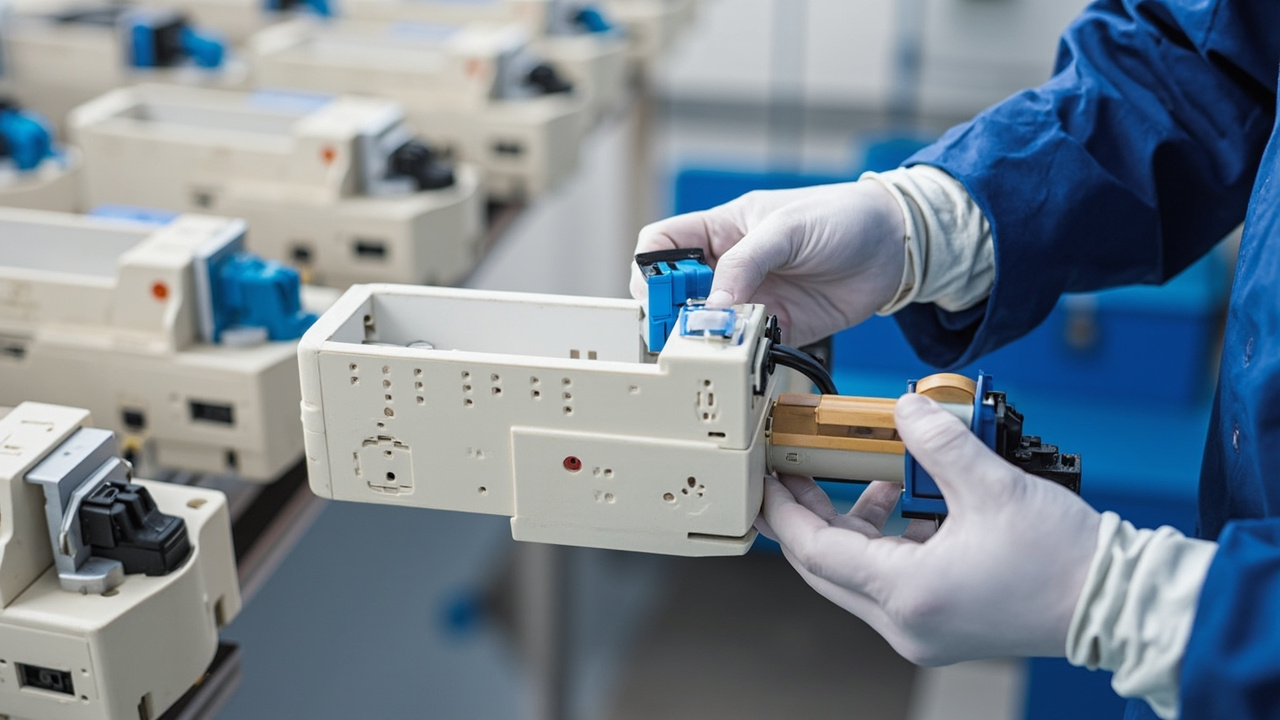
Step Feeders: Precision Part Orientation for Delicate Components

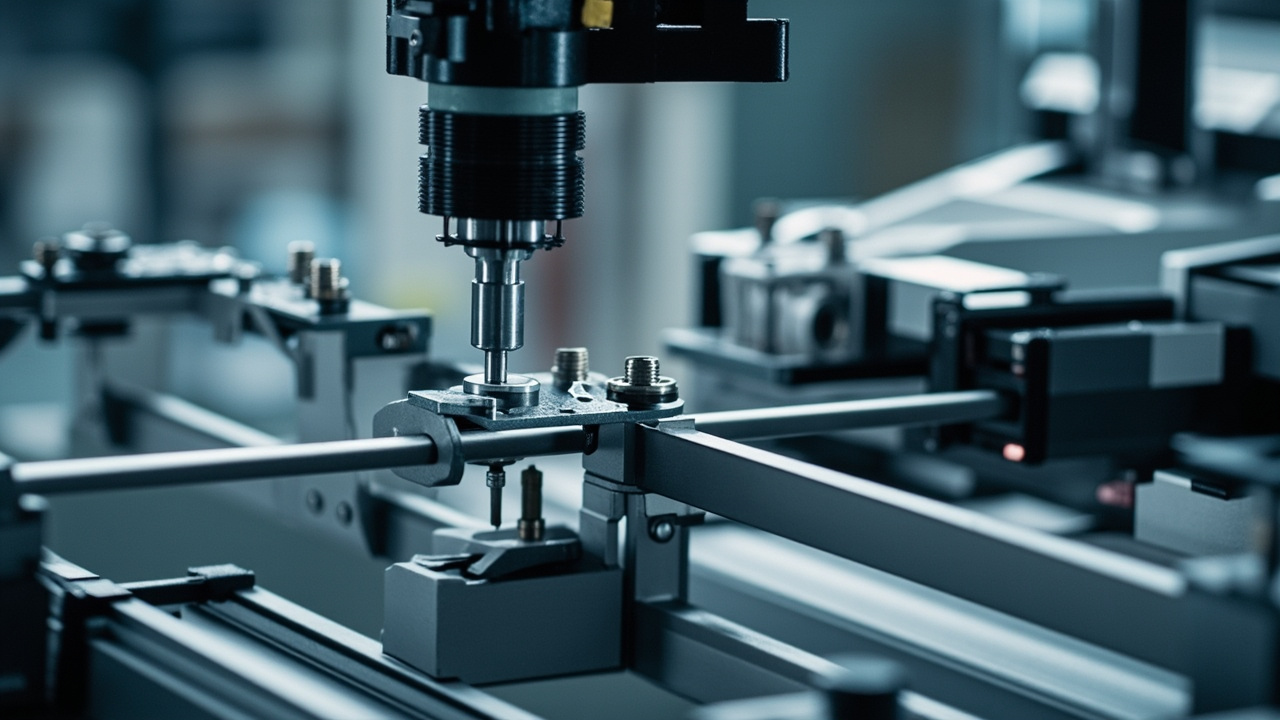
What Is a Step Feeder and Why Does It Matter
A step feeder is a mechanical parts feeding system that uses reciprocating horizontal platforms to lift components one level at a time from a bulk hopper to a discharge point. Unlike vibratory bowl feeders that rely on continuous electromagnetic vibration, step feeders operate through a cam-driven or pneumatic mechanism that moves parts in discrete, controlled increments. Each step lifts a portion of the bulk parts upward; those that are not properly seated slide back into the hopper for another cycle.
The defining characteristic of a step feeder is its gentle handling. Because parts are moved mechanically rather than vibrated continuously, they experience minimal contact force and virtually no impact energy from vibration transmission. This makes step feeders the preferred choice for delicate, coated, or fragile components that would be damaged in a conventional vibratory system.
Huben Automation designs and manufactures step feeders for applications across automotive, medical device, electronics, and consumer goods manufacturing. With over 20 years of experience in custom automation equipment, we have refined step feeder designs to achieve both precision orientation and throughput that rivals vibratory systems for many part families.
How Step Feeders Work: Mechanical Step-by-Step Feeding
The core mechanism of a step feeder consists of a series of horizontal platforms or steps arranged in a staircase configuration. A drive mechanism — typically an electric motor connected to a cam or crank system — reciprocates these steps in a coordinated motion. The cycle has two distinct phases:
Feeding phase: The steps move forward and upward, carrying parts that have settled on their surfaces. Properly seated parts are lifted to the next level. Parts that are stacked, misaligned, or unstable slide backward into the hopper or onto the previous step.
Return phase: The steps retract downward and backward, returning to their starting position without dragging parts backward. This discrete motion prevents the continuous friction and part-on-part collision that occurs in vibratory systems.
At the top of the staircase, parts reach a discharge chute or transfer point where they are fed onto a linear track, conveyor, or directly into a processing machine. Orientation tooling can be added at the discharge point to ensure parts exit in the correct attitude. Because the parts arrive at the top in a relatively controlled manner, orientation features can be simpler than those required in vibratory bowls.
The step mechanism is inherently self-regulating. If too many parts accumulate on a step, the excess simply slides back. There is no risk of bowl overfill or jamming from excessive part density. This self-limiting behavior makes step feeders exceptionally reliable for unattended operation.
Advantages for Fragile and Coated Parts
The primary advantage of step feeders is their gentle handling. In a vibratory bowl feeder, every part in the bowl receives continuous vibration energy. Parts collide with the bowl wall, the track, tooling, and each other thousands of times per minute. For robust metal fasteners, this is acceptable. For delicate components, the cumulative impact causes damage.
Step feeders eliminate this problem through their intermittent mechanical motion. Parts only move when the steps advance; during the return phase, they rest stationary. The total number of impacts is reduced by orders of magnitude compared to vibratory feeding. Surface coatings such as powder coat, paint, anodizing, or delicate plating remain intact through the feeding process.
Specific part types that benefit from step feeding include:
- Glass and ceramic components — Medical vials, optical lenses, ceramic substrates
- Thin-walled plastic parts — Injection molded housings, clips, retainers
- Coated metal parts — Powder-coated brackets, painted trim, plated hardware
- Large or heavy parts — Components exceeding 80 mm or 200 grams where vibration would be inefficient
- Parts with cosmetic surfaces — Consumer goods where appearance is critical
Another often overlooked advantage is noise reduction. Step feeders typically operate at 50–65 dB(A), compared to 70–85 dB(A) for vibratory bowl feeders. In noise-sensitive environments such as medical device cleanrooms or laboratories, this difference is significant. For more information on noise control strategies, see our complete noise reduction guide.
Step Feeder vs Vibratory Feeder: A Detailed Comparison
Understanding the differences between step feeders and vibratory feeders is essential for selecting the right technology. While both systems achieve the same fundamental goal — delivering oriented parts to an assembly machine — their operating principles create distinct performance profiles.
| Parameter | Step Feeder | Vibratory Bowl Feeder |
|---|---|---|
| Feeding mechanism | Mechanical step lift via cam or pneumatic drive | Electromagnetic vibration of spiral track |
| Typical throughput | 20–200 parts per minute | 200–1000+ parts per minute |
| Noise level | 50–65 dB(A) | 70–85 dB(A) |
| Part handling intensity | Very gentle — intermittent contact | Moderate — continuous vibration transmission |
| Optimal part size | Medium to large (10–300 mm) | Small to medium (1–80 mm) |
| Orientation complexity | Moderate — simple to medium geometries | High — complex multi-stage tooling possible |
| Surface finish protection | Excellent — no coating damage | Risk of coating wear or scratching |
| Integrated hopper capacity | Large — bulk hopper built into design | Limited — external hopper elevator required |
| Maintenance requirements | Low — mechanical drive, few wear parts | Moderate — springs, coils, tuning needed |
| Energy consumption | Low — intermittent motor operation | Moderate — continuous electromagnetic drive |
| Cleanroom suitability | Good — low particulate generation | Fair — vibration generates particulates |
| Changeover time | Fast — interchangeable step plates | Moderate — bowl and tooling swap |
The throughput difference is the most significant limitation of step feeders. For high-speed applications exceeding 200 parts per minute, vibratory bowl feeders remain the dominant technology. However, for applications where part protection is more important than maximum speed, step feeders often deliver better overall equipment effectiveness (OEE) by eliminating damage-related rejects.
For a deeper comparison of these technologies, read our dedicated article on step feeder vs vibratory feeder selection.
Applications and Industries for Step Feeders
Step feeders excel in specific application niches where their gentle handling and large hopper capacity provide decisive advantages. Huben Automation has deployed step feeders in the following industries with consistent success:
Automotive trim and interior components: Painted or chrome-plated trim pieces, door handles, and interior fasteners require pristine surface finishes. Step feeders prevent the micro-scratching that occurs in vibratory bowls, eliminating the need for secondary inspection or rework.
Medical device manufacturing: Glass vials, syringe components, and delicate plastic fittings benefit from the low-particulate, low-noise operation of step feeders. Cleanroom-compatible designs with stainless steel construction and sealed drives meet ISO 14644 requirements.
Electronics assembly: Large connectors, heat sinks, and housed components that are too large for efficient vibratory feeding can be handled effectively on step platforms. The controlled motion prevents damage to sensitive pins and contact surfaces.
Consumer goods and appliances: Cosmetic pump parts, appliance knobs, and decorative hardware require both gentle handling and high cosmetic quality. Step feeders maintain surface appearance while providing reliable orientation.
Food and pharmaceutical packaging: Caps, closures, and dispensing components that contact consumable products must remain contamination-free. Step feeders with food-grade materials and easy-clean designs meet regulatory requirements.
Key Design Considerations for Step Feeder Systems
Designing an effective step feeder requires attention to several critical parameters that differ from vibratory feeder design:
Step geometry and spacing: The width, depth, and spacing of steps must be matched to the part dimensions. Steps that are too wide allow parts to settle in unstable orientations; steps that are too narrow limit capacity. Huben engineers use part sample testing to optimize step geometry for each application.
Drive mechanism selection: Cam-driven systems provide the most consistent motion profile and are preferred for high-precision applications. Pneumatic drives offer simpler construction and easier speed adjustment but may have slightly less consistent motion. The choice depends on the required throughput and precision.
Hopper integration: Unlike vibratory feeders that require a separate hopper elevator, step feeders typically integrate the bulk hopper directly beneath the step mechanism. The hopper must be sized for the required unattended runtime while maintaining ergonomic loading height for operators.
Discharge and orientation: The discharge point from the top step to the downstream process must be carefully designed. Parts may require a short linear track, air-assisted transfer, or direct drop into a fixture. Orientation features at this stage are simpler than full bowl tooling but still require precision engineering.
Material selection: Step plates and contact surfaces should be selected based on part material compatibility. Hardened steel provides durability for metal parts; polyurethane-coated or nylon surfaces protect delicate finishes. Food-grade stainless steel is required for pharmaceutical and food applications.
Integration with Downstream Automation
Step feeders rarely operate in isolation. They are typically integrated into larger automation cells that include assembly machines, robotic pick-and-place systems, vision inspection stations, and packaging equipment. Successful integration requires attention to interface design and timing coordination.
The discharge from a step feeder is typically more controlled than from a vibratory bowl. Parts exit individually or in small groups rather than in a continuous stream. This can simplify downstream handling but may require buffering if the downstream machine has intermittent demand.
Common integration patterns include:
- Direct-to-assembly: Parts drop from the step feeder discharge into a fixture or nest on an indexing table
- Linear track buffer: A short vibratory linear track receives parts from the step feeder and creates a small buffer for the downstream process
- Robot pick zone: Parts are presented in a predictable location for robotic end-effector pickup
- Conveyor transfer: Parts discharge onto a belt conveyor for transport to a remote processing station
Sensor integration is essential for reliable operation. Level sensors in the hopper trigger refill requests. Part-present sensors at the discharge confirm successful transfer. Missing-part detection alerts operators to jams or empty conditions before they cause downstream starvation.
Maintenance and Long-Term Reliability
One of the strongest arguments for step feeders is their low maintenance requirement. The mechanical drive system has few wear components compared to the springs, coils, and tuning-sensitive elements of vibratory feeders.
Typical maintenance tasks include:
- Daily: Visual inspection of step plates for wear, confirmation of proper part flow, cleaning of hopper area
- Weekly: Lubrication of drive bearings and cam followers, inspection of drive belt or chain tension
- Monthly: Measurement of step plate wear, checking of fastener torque on drive components
- Annually: Replacement of wear items such as step plate coatings, drive belt, and bearings
The expected service life of a well-maintained step feeder exceeds 10 years, with the mechanical drive often outlasting multiple sets of wear plates. This longevity makes step feeders an excellent investment for applications with long production runs and stable part families.
Frequently Asked Questions About Step Feeders
How fast can a step feeder operate compared to a vibratory feeder?
Step feeders typically achieve 20 to 200 parts per minute depending on part size, step geometry, and drive mechanism. Vibratory bowl feeders can exceed 1000 parts per minute for small, simple parts. For applications where throughput above 200 ppm is required, vibratory technology is usually preferred. However, for delicate parts where damage rates in vibratory bowls would cause excessive rejects, the effective throughput of a step feeder — measured as good parts delivered to the process — may actually be higher. Huben engineers can model both alternatives using your actual part samples to determine the true optimal solution.
What part sizes work best in step feeders?
Step feeders excel with parts ranging from approximately 10 mm to 300 mm in their longest dimension. Parts smaller than 10 mm tend to settle poorly on step surfaces and may be better suited to vibratory feeding. Parts larger than 300 mm become mechanically challenging for the step mechanism and may require custom conveyor-based solutions. Within the optimal range, both flat parts and moderately three-dimensional components feed well. The key requirement is that the part must be able to rest stably on a horizontal surface without rolling or tipping excessively.
Will a step feeder damage painted or coated parts?
No. Step feeders are specifically chosen for applications where surface finish protection is critical. Because parts do not experience continuous vibration or high-velocity impacts, coating damage is virtually eliminated. Huben offers polyurethane-coated step plates, nylon contact surfaces, and brush-lined discharge chutes for the most sensitive applications. For parts with extremely soft coatings, we can also integrate air-assisted transfer at the discharge to eliminate sliding contact entirely.
How long does a part changeover take on a step feeder?
Changeover time depends on the design configuration. Systems with quick-change step plates can be converted to a new part in 15 to 30 minutes by swapping the step set and adjusting the discharge chute. More integrated designs may require 1 to 2 hours for mechanical adjustment. Huben recommends investing in quick-change tooling if your production schedule involves frequent part family changes. The changeover time for a step feeder is generally comparable to or faster than a vibratory bowl changeover, which requires bowl removal and tooling replacement.
Does a step feeder need a separate hopper elevator?
No. One of the practical advantages of step feeders is their integrated bulk hopper. The step mechanism lifts parts directly from the hopper below, eliminating the need for a separate vibratory or belt elevator. This integration reduces equipment cost, footprint, and maintenance points. The hopper is sized during design based on the required unattended runtime and part bulk density. For very large capacity requirements, an external bulk supply conveyor can be added to automatically refill the step feeder hopper.
Are step feeders more expensive than vibratory bowl feeders?
Initial purchase cost for a step feeder is typically comparable to or slightly higher than an equivalent vibratory bowl feeder. However, total cost of ownership often favors step feeders due to lower maintenance requirements, reduced part damage, and longer service life. The elimination of damage-related rejects can provide a rapid payback in applications where cosmetic quality is critical. Huben provides detailed ROI analysis comparing both technologies for your specific application upon request.
Conclusion: When to Specify a Step Feeder
Step feeders are not a universal replacement for vibratory bowl feeders. They are a specialized tool for specific challenges: delicate parts, coated surfaces, large components, noise-sensitive environments, and applications where gentle handling outweighs maximum throughput.
The decision between step and vibratory feeding should be based on part characteristics, quality requirements, production environment, and total cost of ownership — not just initial equipment cost. Huben Automation provides unbiased engineering recommendations based on part sample testing and application analysis.
If your application involves fragile components, cosmetic surfaces, or noise constraints, a step feeder may be the solution you need. Contact Huben Automation to discuss your requirements and arrange part sample testing. With ISO 9001 certification, factory-direct pricing, and 20+ years of experience, we deliver step feeder systems that protect your parts while maintaining production efficiency.
พร้อมที่จะทำระบบอัตโนมัติในการผลิตของคุณ?
รับคำปรึกษาฟรีและใบเสนอราคาละเอียดภายใน 12 ชั่วโมงจากทีมวิศวกรของเรา