Руководство по подаче деталей реле и контакторов 2026


Electrical subсборка lines rarely feed just one easy part family
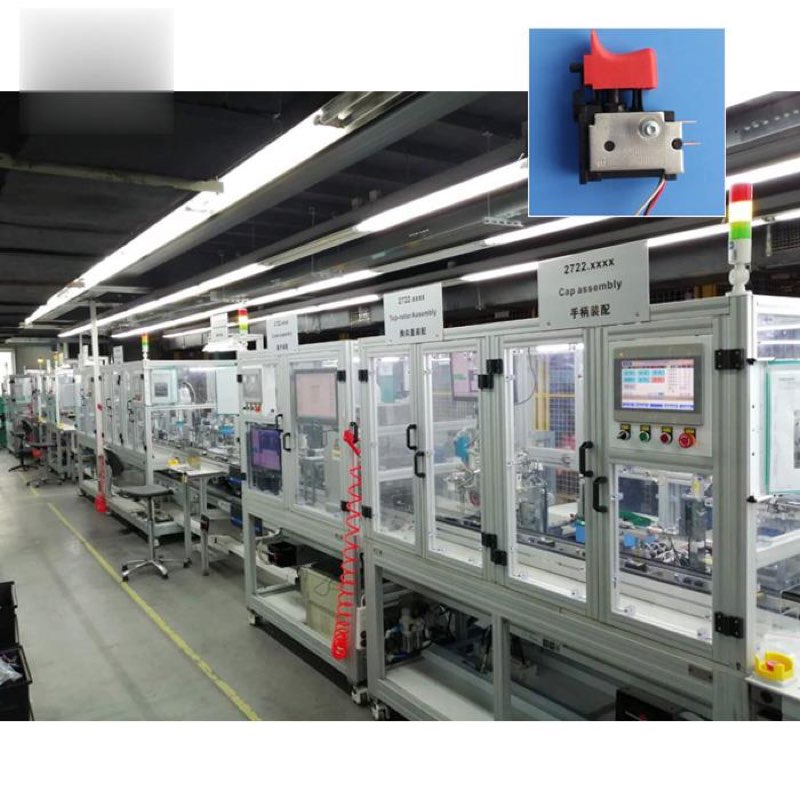
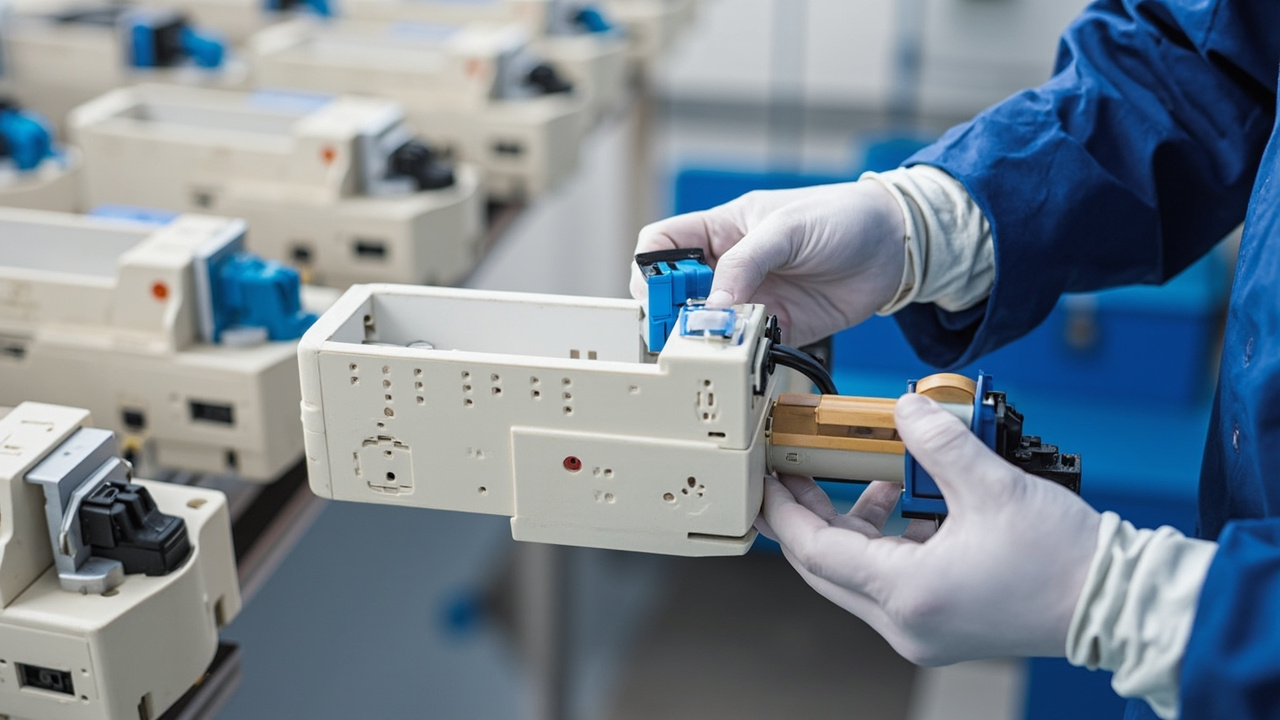
реле and контактор production often combines molded housings, stamped terminals, springs, contacts, and small insulators on the same line. That mix creates two feeder challenges immediately: not every part wants the same handling style, and the line usually cares about both ориентация accuracy and surface protection. A feeding concept that works for the terminal may be completely wrong for the housing or spring.
The best project approach is to divide the сборка into distinct part-behavior groups and choose the feeder logic for each one. Trying to force all реле components through one equipment philosophy usually increases debugging later. This article connects with our electronic component feeder guide, terminal feeding article, and spring feeder guide.
Typical реле-part feeding cases
The right feeder choice depends on which component actually drives the station риск.
| Component type | Main риск | Preferred logic | What to verify |
|---|---|---|---|
| Stamped contact terminal | Bend or plating damage | Controlled metal-part feeder | Part condition at insertion |
| пластик housing | Scuffing or wrong ориентация | Gentle coated bowl or tray path | Cosmetic and pose stability |
| Small spring | Tangling | Spring-specific feeder design | Stable single-part flow |
| Mixed-model line | Recipe and changeover error | Modular or flexible solution where needed | Reset time and защита от ошибок |
How to build the feeder mix
Dedicated бункерный питательs remain a strong choice for repeatable metal terminals, contacts, and similar parts when the geometry is stable and the line volume is meaningful. They provide speed and compactness if the tooling is matched to the true part variation.
Visible or easily marked пластик housings may need gentler surfaces, slower release, or even tray-style handling if cosmetic appearance matters. That is not over-engineering. It is a practical response to part sensitivity.
High-mix реле families benefit from a system-level review. Sometimes the correct answer is a combination of dedicated bowls for stable parts and a flexible cell only where variant pressure is highest.
Rules that improve реле and контактор feeding projects
- Split the line by part behavior instead of forcing one feeder style onto every component.
- Protect plated or cosmetic surfaces early in the design review.
- Treat changeover logic as a quality риск, not only a scheduling issue.
- Validate the final handoff into the сборка nest, not only free release from the bowl.
How to validate the line interface
Measure output, part condition, and station-ready presentation separately. Electrical сборка lines often hide one of those losses inside a broad scrap category.
Run recipe or model changes during testing if the product family is mixed. Many feeder concepts look stable on the base model and then become awkward on the next one.
For mixed автоматизация cells, pair this article with our гибкий питатель integration guide and датчик selection article.
Buyer checklist before RFQ
- List component families separately instead of describing the whole product only once.
- Mark which surfaces are cosmetic, plated, or especially damage-sensitive.
- State expected model variation and changeover frequency.
- Describe the actual сборка handoff for each critical component.
Huben автоматизация reviews electrical сборка feeding around part-family behavior, finish protection, and changeover discipline. If you want help checking a реле or контактор project, send us the component list and station sequence.
Готовы автоматизировать производство?
Получите бесплатную консультацию и подробное коммерческое предложение от нашей инженерной команды в течение 12 часов.