Система подачи штифтов для сборки 2026

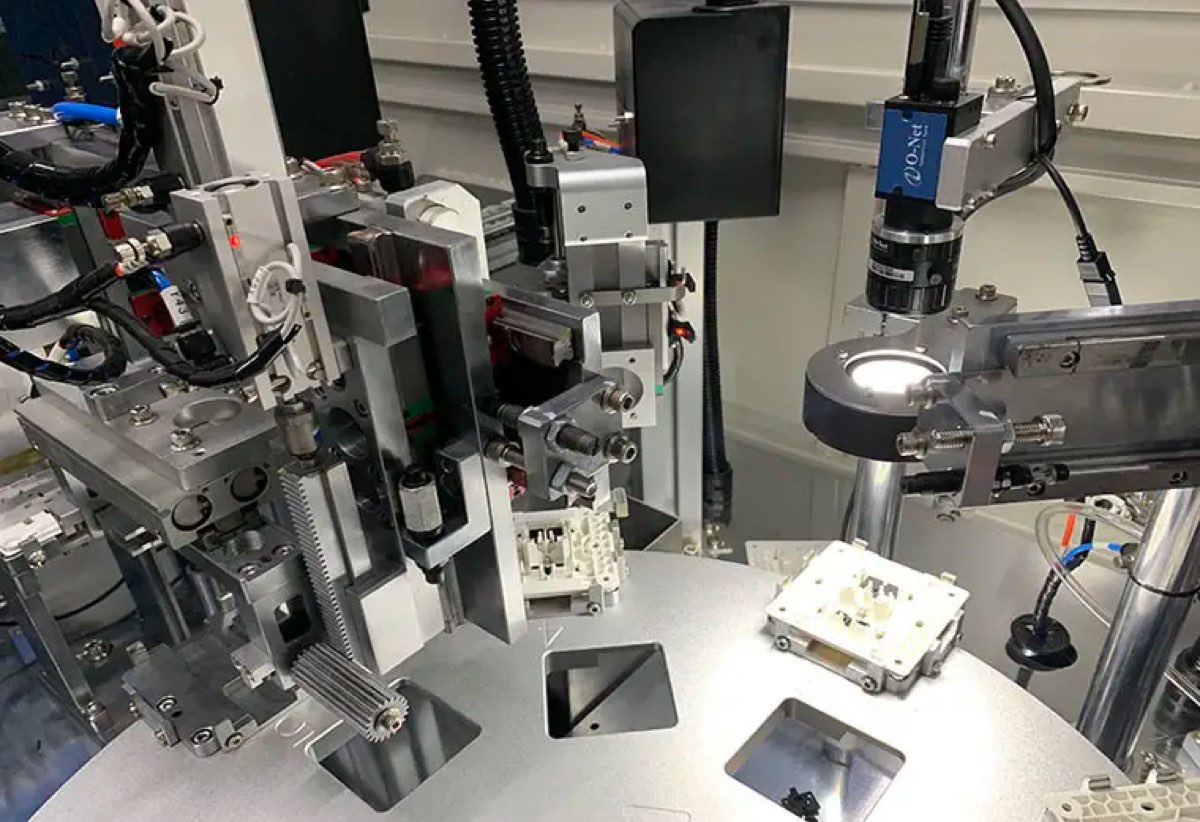
штифт feeding looks easy until the line needs stable сингуляция
штифтs are among the first parts engineers assume will feed easily. They are simple, symmetrical, and often inexpensive. Yet штифт-feeding systems still cause delays because rolling parts do not naturally respect track boundaries, and long штифтs can overlap or bridge at exactly the wrong point.
The real challenge is сингуляция. A feeder that moves plenty of штифтs but cannot present one at a time, at the right height and with enough reserve for the next station, is not doing the job. This is especially true on press-fit or insertion lines where the handoff has little tolerance.
This guide covers the common trouble points on dowel штифтs, grooved штифтs, and similar cylindrical parts, along with the bowl sizes and tooling habits that usually solve them.
The two trouble patterns on штифтs
First, штифтs roll. That sounds obvious, but it drives most of the real design work. If the track width is slightly off or the guide rails do not stabilize the part, штифтs arrive at the эскейпмент with inconsistent height or side position.
Second, long штифтs overlap. When штифт length rises relative to diameter, bridging and partial double-feeds become more likely. A bowl that works for a short dowel may behave poorly on a longer grooved штифт with the same diameter.
Finish and burr condition matter too. штифтs that look identical on a drawing may behave differently because of edge condition or oil from the previous process.
| штифт type | Main риск | What the feeder needs | Typical note |
|---|---|---|---|
| Short dowel штифт | Rolling variation | Stable guide rails | Usually straightforward at medium speed |
| Long cylindrical штифт | Overlap and bridging | Longer track and calmer motion | Track length matters more than extra amplitude |
| Grooved штифт | Catch points on tooling | Smooth transitions | Validate on production finish |
| Oily штифт | Slip at selectors | Adjusted coating and angle | Use real plant-condition samples |
Choosing the bowl and track concept
Most штифт projects fit well in a standard vibratory бункерный питатель. The feeder concept is usually economical, compact, and strong enough for steady сборка work when the штифт family is fixed.
The key choice is not bowl versus гибкий питатель. It is bowl size and track geometry. Undersized bowls often save money on paper but reduce track length and make сингуляция less forgiving.
Where the line runs several штифт lengths or diameters, quick-change tooling deserves attention. If the job changes often, the cost of retuning may outweigh the savings from fixed tooling.
Design rules that keep штифтs singulated
штифт feeders become much easier to live with when the design follows a few simple rules.
- Size the track around stable support. штифтs should ride predictably, not hunt for position as they move.
- Allow enough track length for long штифтs. Trying to rush long parts through a short bowl often causes overlapштифтg.
- Validate the эскейпмент handoff. A good bowl can still fail if the discharge height or lane control is weak.
- Separate plant samples by finish condition. Oil and burr variation are common hidden causes of штифт-feed inconsistency.
A calm feeder with solid сингуляция usually beats a faster feeder that keeps forcing operator attention.
валидация points before machine approval
Check good-part output at the actual discharge point, not only inside the bowl track. The next station uses the handoff, not the motion in the middle of the feeder.
Run enough parts to see whether штифт length variation or burr condition changes the отбраковка rate. Short sample runs rarely show that pattern clearly.
If the штифтs feed into a press or insertion unit, watch alignment and not just count. ориентация on a symmetric part still matters when the next station expects a precise presentation.
Buyer checklist for штифт feeder quotations
штифт projects quote cleanly when the supplier gets both geometry and handoff requirements.
- Send штифт length and diameter with tolerance. Small differences change track behavior.
- Provide actual sample lots. Burrs and oil show up here, not in the drawing.
- Describe the next station. Press-fit, insertion, and робот pickup require different discharge control.
- Mention future size variants. Changeover needs may shape the tooling plan.
Huben автоматизация sizes штифт feeders around сингуляция quality and downstream handoff. If you want help reviewing a dowel or grooved-штифт project, send us the part sample and cycle target.
Готовы автоматизировать производство?
Получите бесплатную консультацию и подробное коммерческое предложение от нашей инженерной команды в течение 12 часов.