Pharmaceutical Parts Feeding Systems: GMP Compliance & Validation

Introduction: The Unique Demands of Pharmaceutical Feeding
Pharmaceutical manufacturing operates under some of the most stringent regulatory requirements of any industry. Every piece of equipment that contacts products or packaging must comply with Good Manufacturing Practice standards, demonstrate material safety, and support comprehensive validation documentation. Parts feeding systems in pharmaceutical environments are no exception.
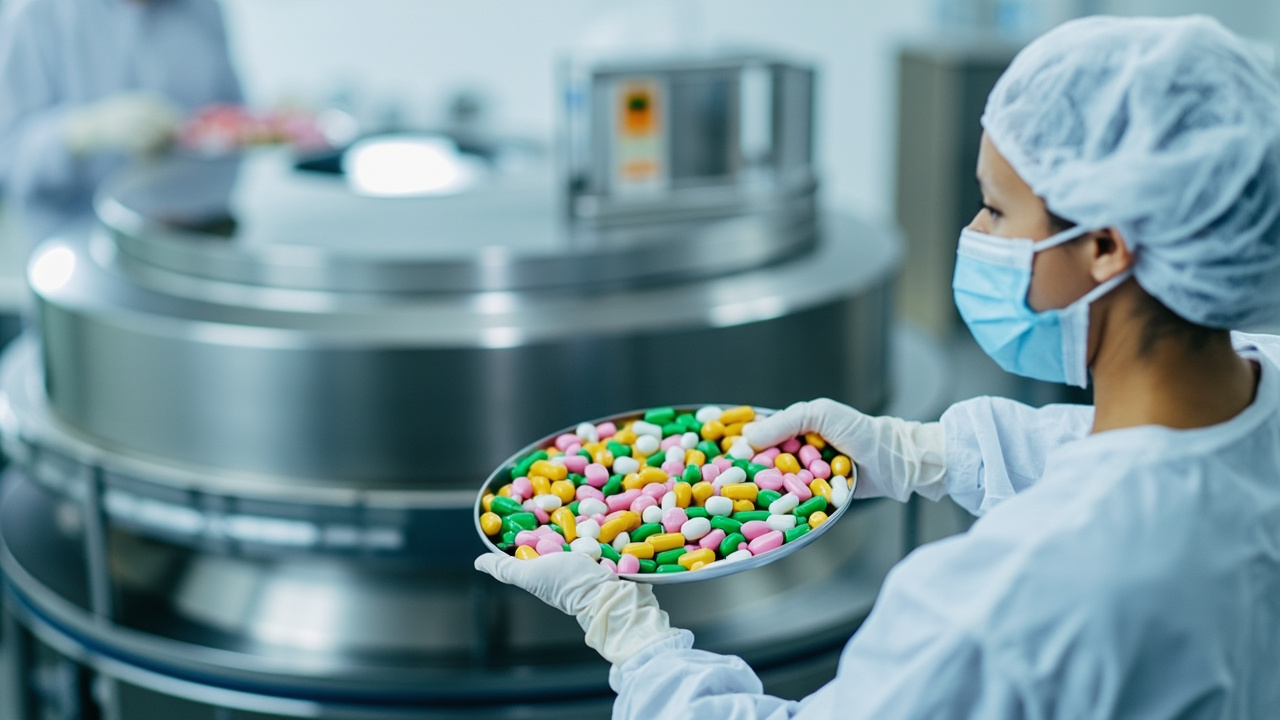
Whether feeding vial caps, syringe components, inhaler parts, or tablet packaging elements, pharmaceutical feeders must prevent contamination, enable thorough cleaning, and produce consistent results batch after batch. Failure in any of these areas can result in costly product recalls, regulatory sanctions, or patient safety incidents. This guide examines the regulatory framework, material requirements, design principles, and validation processes that define pharmaceutical-grade feeding systems.
Regulatory Framework: GMP, FDA, and International Standards
Pharmaceutical equipment compliance spans multiple regulatory frameworks depending on the product type, market geography, and manufacturing stage.
Good Manufacturing Practice Requirements
GMP regulations, known as Current Good Manufacturing Practice in the United States and simply GMP in Europe and most other markets, establish the minimum standards for equipment design, maintenance, and operation. For feeding systems, key GMP principles include equipment must be designed to prevent contamination of the product, surfaces contacting product or primary packaging must be non-reactive, non-additive, and non-absorptive, equipment must be capable of being cleaned and sanitized according to approved procedures, and design must minimize areas where product or cleaning agents could accumulate.
The FDA's 21 CFR Part 211 for finished pharmaceuticals and 21 CFR Part 820 for medical devices both incorporate these principles. EU GMP Annex 1 on sterile manufacturing and Annex 15 on qualification and validation provide additional guidance specific to European markets.
FDA Validation Requirements
FDA regulations require formal validation of manufacturing equipment and processes. For feeding systems, this typically means Installation Qualification verifying that the feeder is installed correctly with appropriate utilities and environmental controls, Operational Qualification demonstrating that the feeder operates within specified parameters under normal conditions, and Performance Qualification confirming that the feeder consistently performs as intended during actual production.
Validation documentation must be comprehensive, traceable, and maintained throughout the equipment lifecycle. Changes to the feeder after validation, including modifications, relocations, or software updates, may require re-validation or change control assessment.
International Harmonization
The International Council for Harmonisation of Technical Requirements for Pharmaceuticals for Human Use has developed guidelines that harmonize regulatory expectations across major markets. ICH Q7 for active pharmaceutical ingredients and ICH Q10 for pharmaceutical quality systems both influence feeding system requirements. Manufacturers serving global markets should design equipment to satisfy the most stringent applicable standard, typically FDA or EU GMP.
Material Requirements for Pharmaceutical Feeders
Material selection is one of the most critical decisions in pharmaceutical feeder design. The wrong material can contaminate product, corrode under cleaning agents, or fail to meet regulatory expectations.
Stainless Steel Grades
SUS316L austenitic stainless steel is the standard material for pharmaceutical feeding systems. The low carbon content minimizes carbide precipitation during welding, maintaining corrosion resistance at weld joints. The molybdenum content provides superior resistance to chlorides and acids compared to SUS304, important given the aggressive cleaning agents used in pharmaceutical facilities.
Surface finish is equally important. Pharmaceutical feeders typically require surface roughness of Ra 0.8 micrometers or better, often achieved through electropolishing. Electropolishing removes surface impurities, reduces microscopic peaks that can harbor contaminants, and creates a passive chromium oxide layer that enhances corrosion resistance. Some applications require even smoother surfaces of Ra 0.4 micrometers for direct product contact areas.
Polymeric Materials
Where polymers are necessary, such as in gaskets, seals, or sight glasses, they must be FDA-compliant under 21 CFR 177 for indirect food additives. Common choices include PTFE for gaskets and seals due to chemical inertness and wide temperature range, silicone for flexible components and tubing, PVDF for components requiring chemical resistance and mechanical strength, and PEEK for high-performance bearings and structural parts.
All polymeric materials must have documented compliance certificates, extraction data, and stability information. Materials that degrade, leach additives, or support microbial growth are unacceptable.
Coatings and Surface Treatments
Coatings on pharmaceutical feeders must be carefully evaluated for regulatory acceptability. Polyurethane coatings sometimes used in industrial feeders to reduce part damage are generally avoided in pharmaceutical applications due to potential extractables. If coatings are necessary, they must be fully characterized and validated for the specific pharmaceutical application.
| Component | Typical Material | Surface Finish | Regulatory Basis |
|---|---|---|---|
| Bowl and track | SUS316L stainless steel | Ra 0.8 μm, electropolished | FDA 21 CFR 211.65, EU GMP Annex 1 |
| Frame and structure | SUS304 or SUS316L | Ra 1.6 μm, passivated | GMP equipment design guidelines |
| Fasteners | SUS316L stainless steel | Passivated | Prevent corrosion and contamination |
| Seals and gaskets | PTFE or platinum-cured silicone | Smooth molded finish | 21 CFR 177.1550, USP Class VI |
| Bearings | Stainless steel with PTFE cage | Standard bearing finish | Prevent grease contamination |
| Glass components | Borosilicate or soda-lime glass | Smooth annealed | USP Type I or Type II |
| Plastic guards | Polycarbonate or PMMA | Smooth molded | 21 CFR 177.1580 |
Cleanroom Compatibility and Classification
Pharmaceutical manufacturing occurs in cleanrooms classified by ISO 14644 standards. Feeding systems must be compatible with the cleanroom class where they operate.
ISO Cleanroom Classifications
ISO 14644-1 defines cleanroom classes from ISO 1 (most stringent) to ISO 9 (least stringent). Pharmaceutical operations typically use ISO 5 to ISO 8 environments. Aseptic processing of sterile products requires ISO 5 in the critical zone, while oral solid dosage manufacturing may operate at ISO 7 or ISO 8.
Feeding systems for aseptic applications must generate minimal particles during operation. This requires sealed bearings, smooth surfaces without crevices, and elimination of materials that shed particles. The feeder should not disturb unidirectional airflow patterns in the critical zone.
Particle Generation Control
Vibratory feeders inherently generate some particles from friction between parts and track surfaces. In pharmaceutical applications, this particle generation must be controlled and characterized. Strategies include using gentle vibration amplitudes to reduce part-to-part and part-to-surface impact, selecting materials with low wear rates, enclosing the feeder to contain any generated particles, and integrating local exhaust ventilation at the discharge point.
Particle counting studies during feeder qualification establish baseline particle generation rates and verify that cleanroom classification is maintained during operation.
Bioburden Control
For sterile manufacturing, feeding systems must support bioburden control. Design features that facilitate this include smooth surfaces without crevices where microorganisms could harbor, materials compatible with sterilization methods such as steam, gamma radiation, or vaporized hydrogen peroxide, minimal dead legs in any pneumatic or fluid systems, and ease of disassembly for cleaning and sterilization.
Design Principles for Pharmaceutical Feeding Systems
Beyond material selection, the overall design of pharmaceutical feeders must support regulatory compliance and operational efficiency.
Cleanability and Drainability
GMP emphasizes that equipment must be cleanable. For feeders, this means all surfaces must be accessible for cleaning without disassembly where possible, or easily disassembled where necessary. Horizontal surfaces should be minimized or sloped to prevent pooling of cleaning agents or product residue. Internal corners should be radiused to facilitate cleaning and drainage. Threaded connections in product contact areas should be avoided; tri-clamp or sanitary fittings are preferred.
Drainability is particularly important for wet cleaning processes. The feeder should be designed so that cleaning solutions and rinse water drain completely without pooling. Drain ports at low points may be necessary for large feeder systems.
Minimizing Contamination Risks
Pharmaceutical feeders must prevent contamination from lubricants, particulates, and foreign materials. Oil-lubricated bearings should be eliminated in favor of self-lubricating or sealed bearings. Drive mechanisms should be enclosed to prevent lubricant migration. Threaded fasteners in product contact zones should be avoided or sealed. Any necessary lubricants must be food-grade or pharmaceutical-grade with documented compliance.
Integration with Barrier Systems
Many pharmaceutical operations use isolators or restricted access barrier systems to separate operators from sterile product zones. Feeders integrated into isolators must be designed for transfer through decontamination ports, operation within the isolator environment, and maintenance access without compromising barrier integrity. This often requires split designs where the bulk hopper is outside the barrier and the bowl is inside, connected through a sealed transfer mechanism.
Validation Documentation and Qualification
Validation is the process of demonstrating that equipment performs as intended and consistently produces quality results. Pharmaceutical feeders require comprehensive validation packages.
User Requirements Specification
The validation process begins with a User Requirements Specification that defines what the feeder must do. The URS includes feed rate and accuracy requirements, part specifications and orientation requirements, cleanroom classification and environmental conditions, cleaning and sterilization methods, material and surface finish requirements, and integration requirements with upstream and downstream equipment.
The URS serves as the foundation for all subsequent qualification activities. Every requirement in the URS must be traceable to a qualification test.
Factory Acceptance Testing
FAT occurs at the manufacturer's facility before shipment. The FAT protocol includes mechanical inspection verifying dimensions, materials, and surface finish, operational testing demonstrating feed rate, orientation accuracy, and noise levels, cleaning verification confirming that the feeder can be cleaned to acceptable residue levels, and documentation review ensuring completeness of manuals, drawings, and certificates.
Buyers should witness FAT where possible, or at minimum review video documentation and test data. Issues identified at FAT are corrected before shipment, avoiding costly delays during site installation.
Site Acceptance Testing and Qualification
After installation at the pharmaceutical facility, Site Acceptance Testing verifies that the feeder performs correctly in its actual operating environment. SAT typically repeats key FAT tests with production materials and confirms utilities, environmental conditions, and interfaces.
Following successful SAT, formal IQ, OQ, and PQ are executed according to approved protocols. IQ verifies installation against specifications. OQ demonstrates operation across the design range of parameters. PQ confirms performance during extended production runs. All deviations during qualification are investigated, documented, and resolved before the feeder is released for routine production.
Cleaning and Sterilization Procedures
Effective cleaning is fundamental to pharmaceutical manufacturing. Feeding systems must be designed to support validated cleaning procedures.
Cleaning Validation
Cleaning validation demonstrates that cleaning procedures consistently reduce residues to acceptable levels. For feeders, this involves identifying worst-case scenarios such as most difficult-to-clean part geometry and highest concentration product, establishing acceptance criteria based on product toxicity and batch size, developing cleaning procedures including agents, contact times, temperatures, and mechanical action, and verifying cleaning effectiveness through visual inspection, swab testing, and rinse analysis.
Feeder design significantly impacts cleaning validation success. Features that facilitate cleaning include smooth electropolished surfaces, easy disassembly without special tools, absence of dead legs and crevices, and compatibility with automated cleaning equipment such as clean-in-place systems.
Sterilization Methods
For aseptic applications, feeders or feeder components may require sterilization. Common methods include steam sterilization (autoclaving) at 121°C or 134°C, which requires materials resistant to moisture and heat, gamma irradiation which requires polymers stable under radiation, and vaporized hydrogen peroxide which requires compatibility with oxidizing agents. The feeder design must accommodate the chosen sterilization method, including any necessary packaging for sterilization.
Pharmaceutical Applications and Part Examples
Pharmaceutical feeding systems handle diverse components across dosage forms and packaging types.
Parenteral Packaging Components
Vial stoppers, syringe plungers, needle shields, and cap seals are common feeding challenges in parenteral manufacturing. These components are often made of rubber or plastic, requiring gentle handling to prevent damage. Cleanroom-compatible feeders with SUS316L construction and smooth surfaces are standard.
Solid Dosage Packaging
Tablet bottles, caps, desiccant canisters, and cotton fillers are fed in oral solid dosage packaging lines. These components are larger and more robust than parenteral parts, but still require pharmaceutical-grade materials and documentation. Feed rates are typically higher, matching the speed of tablet counting and filling equipment.
Medical Device Components
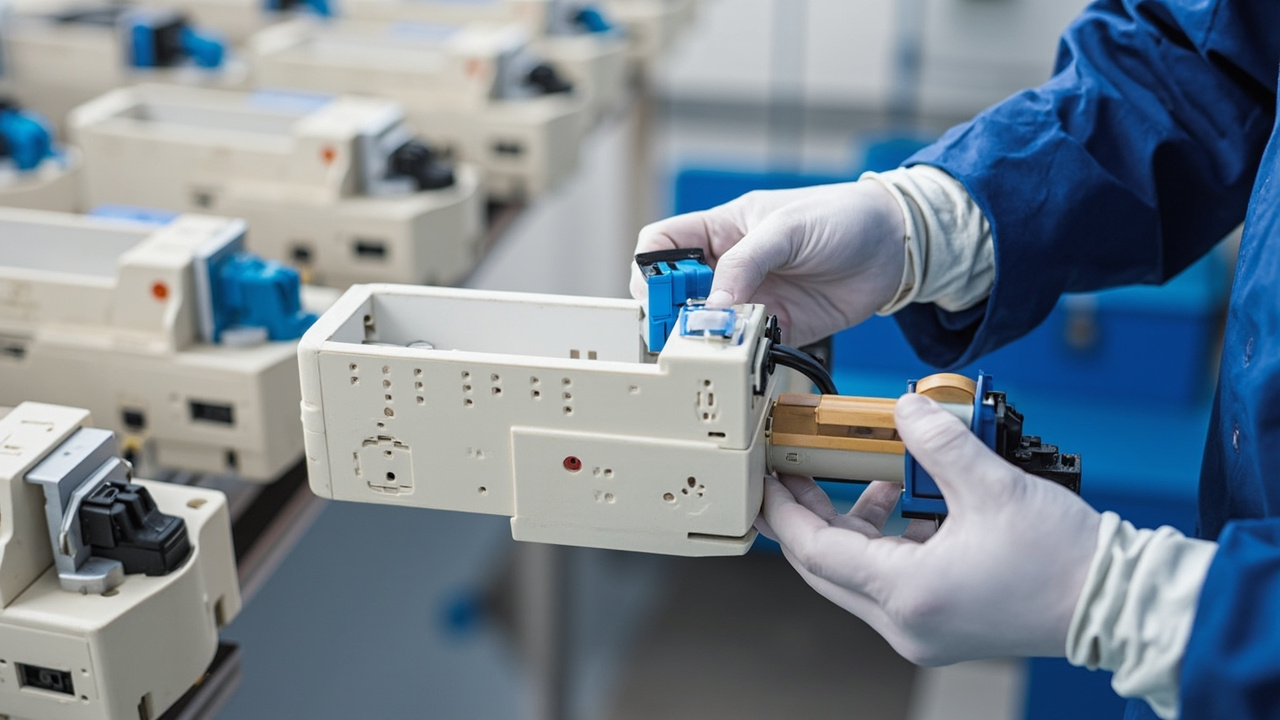
Drug delivery devices such as inhalers, auto-injectors, and insulin pens contain multiple components that must be fed for assembly. These parts often combine plastic and metal materials with tight tolerances. Medical device feeding systems must meet both pharmaceutical and medical device regulatory requirements.
Frequently Asked Questions
Why is SUS316L required instead of SUS304 for pharmaceutical feeders?
SUS316L contains molybdenum, providing superior resistance to chlorides and acids found in pharmaceutical cleaning agents. The low carbon content prevents sensitization during welding, maintaining corrosion resistance at joints. While SUS304 is acceptable for some non-contact structures, SUS316L is the standard for product contact surfaces in pharmaceutical applications due to its proven performance and regulatory acceptance.
What surface finish is required for pharmaceutical vibratory feeders?
Product contact surfaces typically require Ra 0.8 micrometers or smoother, achieved through mechanical polishing followed by electropolishing. Electropolishing removes surface contaminants, reduces microscopic peaks, and enhances the passive chromium oxide layer. Some applications requiring the highest cleanliness levels specify Ra 0.4 micrometers. Surface finish should be documented with profilometer measurements during qualification.
Can standard industrial feeders be used in pharmaceutical manufacturing?
Standard industrial feeders generally do not meet pharmaceutical requirements. They may use SUS304 instead of SUS316L, have rougher surface finishes, use non-compliant polymers, lack documentation traceability, and be designed without cleanability in mind. Attempting to use non-pharmaceutical feeders in regulated environments creates compliance risks and may fail regulatory inspections. Purpose-built pharmaceutical feeders are the appropriate choice.
What validation documentation should I expect with a pharmaceutical feeder?
Comprehensive documentation includes material certificates with mill test reports for all stainless steel, surface finish measurement reports, welder qualifications and weld inspection records, calibration certificates for instruments, FAT and SAT protocols and reports, IQ, OQ, PQ protocols and reports, maintenance and cleaning manuals, spare parts lists, and as-built mechanical and electrical drawings. This package supports regulatory submissions and ongoing compliance.
How are pharmaceutical feeders cleaned in practice?
Cleaning procedures vary by application but typically involve disassembly of removable components, rinsing with purified water to remove loose residue, cleaning with validated cleaning agent at specified concentration and temperature, brushing or wiping of accessible surfaces, rinsing with purified water to remove cleaning agent, final rinse with water for injection for high-risk applications, and drying with filtered air or in a drying oven. Visual inspection confirms cleanliness before reassembly.
Do pharmaceutical feeders cost more than standard feeders?
Yes, pharmaceutical feeders typically cost 50-100% more than equivalent industrial feeders due to SUS316L material premium, electropolishing and surface treatment, comprehensive documentation and testing, specialized design for cleanability, and validation support. However, this premium is necessary for regulatory compliance and is insignificant compared to the cost of failed inspections, product recalls, or patient safety incidents.
Conclusion: Excellence in Pharmaceutical Feeding
Pharmaceutical parts feeding demands a higher standard of design, materials, documentation, and validation than any other industry. Regulatory frameworks from FDA, EMA, and international bodies establish clear expectations that equipment must prevent contamination, support thorough cleaning, and demonstrate consistent performance through formal qualification.
Success requires partnership with a feeder manufacturer who understands these requirements and builds them into every aspect of design and delivery. From SUS316L construction with electropolished surfaces to comprehensive validation documentation, every detail matters in pharmaceutical manufacturing.
Huben Automation designs and manufactures pharmaceutical-grade vibratory feeding systems with full GMP compliance, SUS316L construction, and complete validation documentation packages. Contact our engineering team to discuss your pharmaceutical feeding requirements and regulatory needs.
Готовы автоматизировать производство?
Получите бесплатную консультацию и подробное коммерческое предложение от нашей инженерной команды в течение 12 часов.