Guia de Alimentação de Shims e Espaçadores 2026

Thin flat parts create separation problems long before they create speed problems
shims and espaçadors are often treated as simple stamped parts, but their real challenge is separation. Thin flat metal pieces can overlap, cling lightly with oil film, or travel in unstable stacks that look fine until the line needs one-piece release. Once that happens, a feeder that seems fast on paper can become a constant source of double-part risco or orientação confusion.
The best shim feeder is usually the one that controls single-part flow with the least drama. That means focusing on overlap prevention, thickness management, and calm final discharge. This article pairs naturally with our washer feeding guide, stamped parts guide, and rejeição and recirculação article.
What makes shim feeding difficult
Thin flat parts fail in repeatable ways, which makes the design priorities easier to define.
| Part case | Main risco | Design focus | What to verify |
|---|---|---|---|
| Very thin shim | Overlap or double release | Single-part separation | Escape rate at handoff |
| Oily espaçador | Slip and stack instability | Surface and queue control | Behavior after refill |
| Mixed-thickness family | Wrong recipe or poor clearance | Variant control and change parts | Thickness-specific performance |
| Large flat espaçador | Bounce at discharge | Guided final path | Pickup repeatability |
How to choose the feeder approach
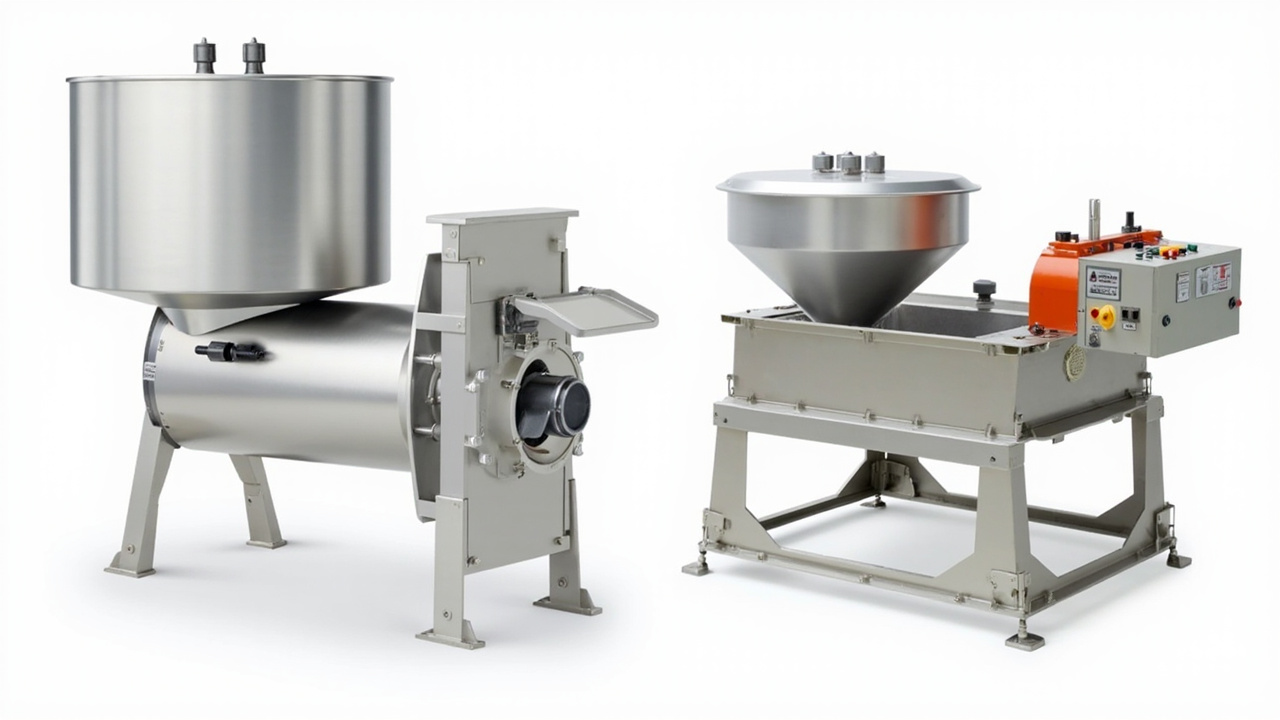
A dedicated bowl remains a practical solution for one stable shim family if the separation tooling is strong and the downstream station expects a repeatable pose. The design focus should stay on one-piece release rather than on impressive empty-track speed.
If the family includes several thicknesses, diameters, or finishes, modular tooling and strong recipe control become more important. Thin-part feeders often become unreliable when a project expects one set of clearances to absorb too much variation.
The final transfer is where many issues become visible. A shim can leave the selector correctly and still arrive at the pickup point with overlap, bounce, or rotation if the discharge is too open.
Rules that usually improve shim and espaçador feeding
- Treat overlap as the primary defect to control.
- Validate with the real oil state and surface finish, not cleaned samples only.
- Protect variant changeover with clear thickness-specific setup logic.
- Review the last section of track as carefully as the bowl tooling.
How to validate the feeder
Measure double-part escapes, final pose, and refill behavior separately. Thin parts can look stable for several minutes and then lose control after a refill event changes the stack pattern.
If the station uses a pick-and-place or press process, validate on that real interface. Thin flat parts reveal their worst behavior at transfer, not inside the bowl.
This project also connects well with our part presence verification guide and changeover kit planning article.
Buyer checklist before RFQ
- State thickness range, flatness condition, and whether multiple variants must run.
- Describe oil condition and packaging method clearly.
- Define the allowable double-part or overlap risco at the station.
- Provide the real pickup or insertion requirement for the espaçador.
Huben automação reviews shim and espaçador feeders around separation, thickness control, and stable one-piece release. If you want help checking a thin flat-part application, send us the part family and station details.
Pronto para Automatizar sua Produção?
Receba uma consulta gratuita e orçamento detalhado em até 12 horas da nossa equipe de engenharia.