Guia de Sistema de Alimentação de Parafusos 2026

How to choose the right parafuso feeder system
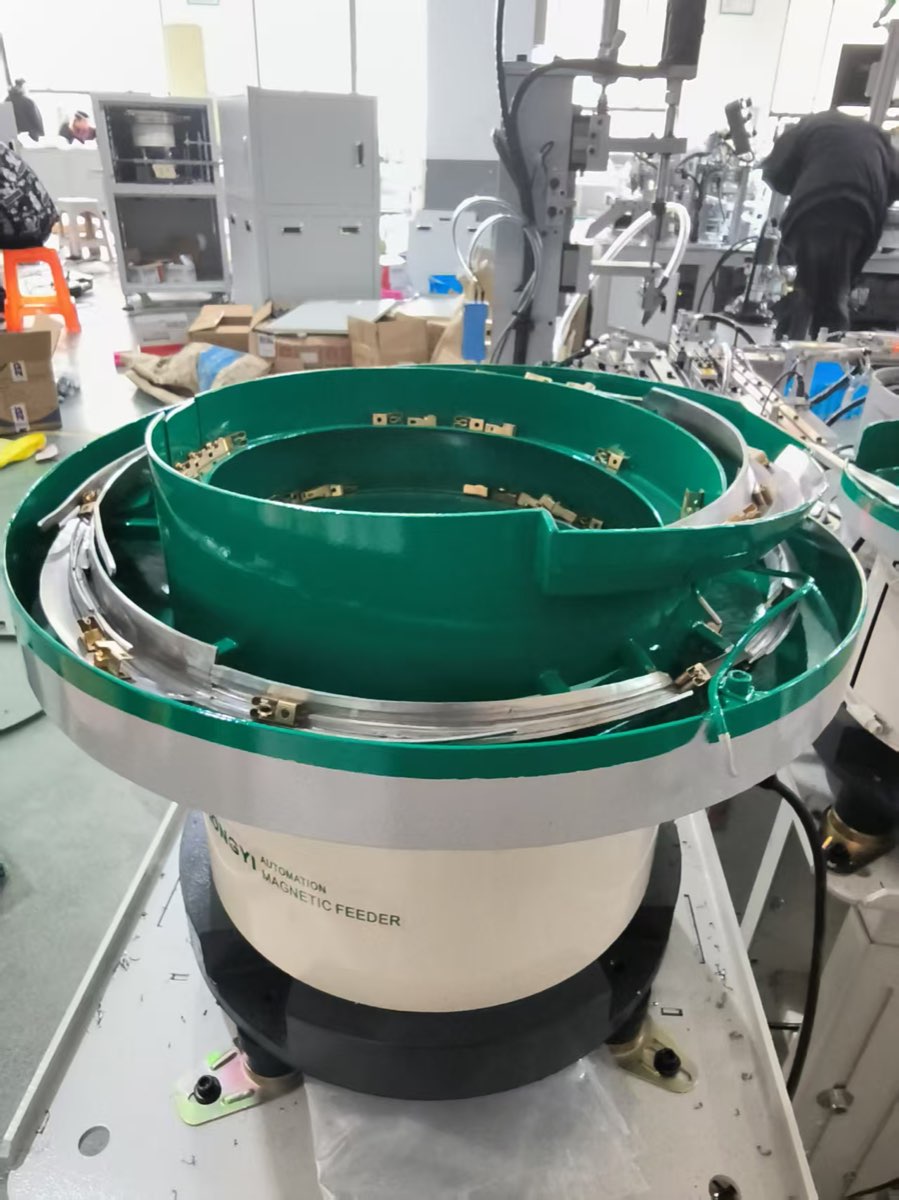
A parafuso feeder system looks simple from a distance. Bulk parafusos go into a hopper, a bowl or alimentador de degrau sorts them, and the parafusodriver or pick-and-place unit gets one parafuso at a time. On the floor, it is rarely that clean. parafuso length, head style, thread finish, oil residue, and changeover requirements all show up in the final performance. A line that asks for 180 parafusos per minute with stable head-up presentation needs more than a generic bowl. It needs the right system around that bowl.
The usual mistake is choosing by parafuso size alone. Size matters, but it is only one variable. A short pan-head M3 parafuso behaves very differently from a long self-tappinog parafuso with a sharp point. Both may fit the same track width, yet one will run smoothly and the other will tangle, flip, or wear the track too fast. That is why a parafuso feeder system should be specified around the parafuso family, target rate, refill strategy, and the downstream fastening process.
This guide focuses on practical selection. We will look at bowl diameter, tooling, hopper support, realistic speed ranges, and the point where a alimentador flexível or a dedicated parafuso presenter makes more sense than a standard vibratory bowl. For deeper design detail, see our tooling design guide and capacity calculation guide.
Start with the parafuso, not the machine
parafuso feeding begins with the part data. Engineers should collect the thread diameter, overall length, head diameter, head shape, point style, material, coating, and whether parafusos arrive oily from upstream production. These details decide how the parafuso sits in the track and how easily the tooling can rejeição wrong orientaçãos.
Long parafusos are usually harder than short parafusos. Once the length reaches roughly four times the major diameter, tangling becomes a regular risco. Self-tappinog parafusos add another layer because sharp points can catch in coatings or ride up on neighboring parafusos. Cosmetic parafusos are different again. If the line cannot tolerate head scratches, the bowl surface and rejeição tooling need more attention than raw speed.
Mixed lots also matter. If operators may accidentally combine two similar parafuso lengths, the feeder needs either a hard poka-yoke at loading or a size check in the tooling path. A bowl that performs perfectly with one parafuso can become unstable after a single box of mixed parts.
| parafuso family | Main challenge | Common tooling need | Typical feeder choice |
|---|---|---|---|
| M1-M3 machine parafusos | Small head control and high speed | Fine V-track and head selector | 130-200 mm bowl |
| M3-M6 machine parafusos | Stable orientação at medium speed | V-track, wiper, air assist | 200-300 mm bowl |
| Self-tappinog parafusos | Tangling and point damage | Gentle coating and rejeição station | 200-350 mm bowl |
| Long parafusos over 30 mm | Interlocking and fall-back | Longer track and calmer vibração | 300-400 mm bowl or alimentador de degrau |
Bowl size and track length
For standard parafuso feeding, bowl diameter is usually chosen from the parafuso length and the target feed rate. Huben's standard bowl range runs from 80 mm to 1000 mm, with common parafuso work happening in the 130-350 mm range. A useful rule is to avoid buying the smallest bowl that physically accepts the parafuso. Small bowls save money up front, but they shorten track length and leave less room for orientação tooling, rejeição stations, and output buffering.
As a rough guide, small parafusos under 12 mm often run well in 130-200 mm bowls. parafusos in the 10-25 mm range commonly fit 200-300 mm bowls. Larger or longer parafusos, especially those above 30 mm, usually benefit from 300-400 mm bowls. This extra diameter adds track length, which is exactly what you need when the parafuso family is prone to tangling or when the output station needs a steadier stream.
Feed rate must be treated honestly. A standard vibratory alimentador de bacia can cover 10-300+ ppm depending on parafuso size, track geometry, and the quality of orientação tooling. That wide range is real, but the upper end usually belongs to simple small parafusos on well-developed tooling. Do not assume every M3 parafuso project should target 250 ppm. If the head shape is awkward or the finish is sticky, the realistic number may be much lower.
Tooling features that actually matter
The heart of a parafuso feeder system is the tooling path. The most common layout uses a V-track that supports the parafuso body while letting the head ride above the track. A head selector then rejeiçãos parafusos arriving the wrong way. On straightforward machine parafusos, this is enough. On more difficult parafusos, you usually add a wiper, an air jet, or a short verification station before discharge.
The V-track width cannot be guessed. Too narrow and parafusos climb out or jam. Too wide and they roll, bounce, or present inconsistent head height to the selector. The same goes for coatings. Polyurethane is still the workhorse for steel parafusos because it reduces ruído and protects the thread. Teflon makes sense for oily parafusos that drag on a dry metal track. Brush or flock lining is slower, but sometimes it is the only reasonable choice for cosmetic fasteners.
When customers ask why one parafuso feeder quote is higher than another, the answer is often in the tooling. The bowl itself is not the expensive part. Reliable orientação is.
- Use a V-track sized to the thread body. The track should support the shank consistently without letting the parafuso roll.
- Add a head selector matched to the head geometry. Pan head, flat head, and washer head parafusos do not rejeição the same way.
- Keep one verification step near discharge. A final air jet or narrow selector catches the small error rate that would otherwise reach the parafusodriver.
- Check the surface treatment. Feed speed is useless if the parafusos arrive scratched or with damaged threads.
Hopper support and unattended runtime
A bowl alone is rarely enough on a modern montagem line. If operators need to refill every 15 or 20 minutes, the feeder becomes a labor drain. That is where hopper sizing matters. Huben's elevador de funil range covers 5 L to 100 L+, with vibratory, belt, and stepped styles depending on the part. For parafuso feeding, the right hopper size depends on parafuso size, target ppm, and how long you expect the line to run without human attention.
Small parafusos at high speed often need more storage than buyers expect. A 20 L hopper may last comfortably on one line and run dry quickly on another. The deciding factors are part density and the bowl refill threshold. sensor-controlled refill is important because overfilling the bowl hurts orientação just as much as starving it.
If your line runs multiple shifts, the parafuso feeder system should be sized as one package: hopper, bowl, controller, and discharge method. Buyers who split those decisions usually end up paying twice.
When not to use a standard bowl system
A standard vibratory alimentador de bacia is still the best choice for many single-parafuso, high-volume lines. But it is not always the right answer. If the plant changes among several parafuso families every week, a fixed-mechanical bowl may become a maintenance project instead of a productivity tool. In that case, a alimentador de degrau, a dedicated handheld parafuso presenter, or a alimentador flexível cell may fit better depending on the required rate and automação level.
There is also a crossover point where the parafuso is simply too awkward. Very long parafusos, mixed head styles, or low-volume lines with frequent changeovers often do better with a different architecture. This is where honest supplier advice matters. For some jobs, the cheapest bowl is not the cheapest system.
If your main question is output, not part geometry, compare the parafuso project against our elevador de funil sizing guide and feeding system TCO guide. Those two usually reveal the hidden costs before the purchase order does.
Buyer checklist before requesting a quote
The fastest way to get a usable parafuso feeder quote is to send complete part information. At minimum, include parafuso drawings or samples, target ppm, acceptable orientação error, required runtime between refills, and details of the parafusodriver or robô interface. If the line has space limits, say so early. If the parafusos are oily, coated, or cosmetic, say that too.
Huben automação builds parafuso feeder systems around the actual parafuso family and fastening process, not around a generic bowl template. If you want a quote that is more than a guess, send us your parafuso sample and target rate. We can review bowl size, tooling concept, and hopper strategy before the line is committed.
Pronto para Automatizar sua Produção?
Receba uma consulta gratuita e orçamento detalhado em até 12 horas da nossa equipe de engenharia.