Vibratory Bowl Feeder vs Conveyor System: When to Use Each in Manufacturing
Understanding the Two Workhorses of Parts Handling
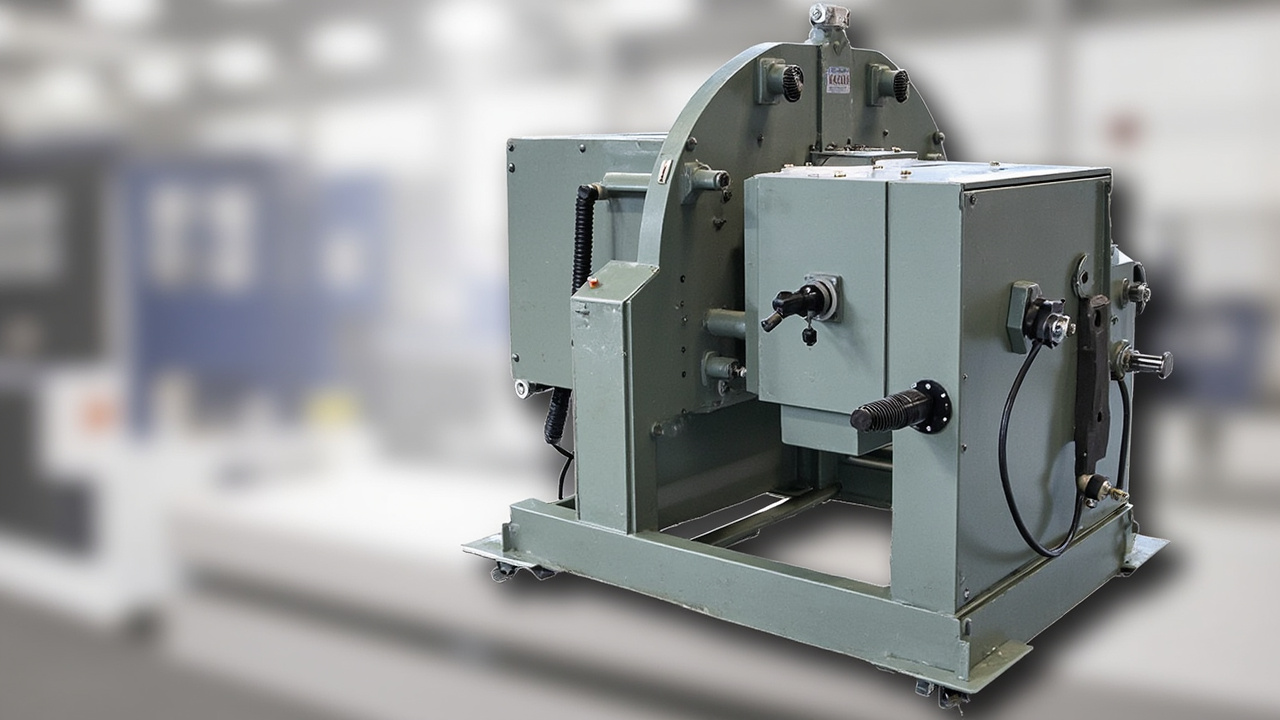
Vibratory bowl feeders and conveyor systems often come up in the same conversation, yet they serve fundamentally different purposes. The core distinction: vibratory feeders orient and singulate, while conveyors transport bulk materials. Choosing the wrong one leads to orientation failures, throughput bottlenecks, or unnecessary capital expenditure.
Orientation Capability: The Core Difference
Vibratory bowl feeders provide precise orientation control through custom-machined tooling, singulation (one part at a time), and orientation verification via sensors and vision systems. Conveyor systems have no inherent orientation — parts arrive in whatever orientation they were placed. Conveyors can maintain existing orientation with guide rails and pucks, but cannot create it.
Huben Expert Tip
Regular maintenance is key. Implementing a weekly cleaning schedule for your feeder tracks can extend the equipment's lifespan by up to 40% and prevent unexpected jamming.
Speed and Throughput
- Vibratory feeder: 10–300 parts per minute (limited by orientation time)
- Conveyor: Thousands of parts per hour (limited only by belt speed and load capacity)
Cost Comparison
| Cost Factor | Vibratory Bowl Feeder | Conveyor System |
|---|---|---|
| Initial purchase | $3,000 – $25,000+ | $2,000 – $50,000+ |
| Custom tooling | $1,500 – $10,000 | $500 – $5,000 |
| Installation | Low — compact footprint | Medium to high — long runs |
| Maintenance | Low — springs, coil, coating | Medium — belts, rollers, chains |
| Energy consumption | Low (50–300W) | Medium to high (200W–kW) |
| Changeover cost | High — new tooling needed | Low — adjust rails/fixtures |
When to Use a Vibratory Bowl Feeder
- Orientation is required — parts must arrive in a specific position
- Small to medium parts — 1 mm to approximately 150 mm
- Singulation is necessary — downstream needs one part at a time
- High orientation accuracy — 99%+ reliability required
- Compact footprint — floor space is limited
When to Use a Conveyor System
- Bulk transport is the primary need — no orientation required
- Large or heavy parts — exceeding 150 mm or 500 grams
- Long-distance transfer — parts move meters between stations
- Accumulation and buffering — store work-in-progress between stations
- Multi-station routing — divert, merge, or sort to different lines
Combined Systems: Getting the Best of Both
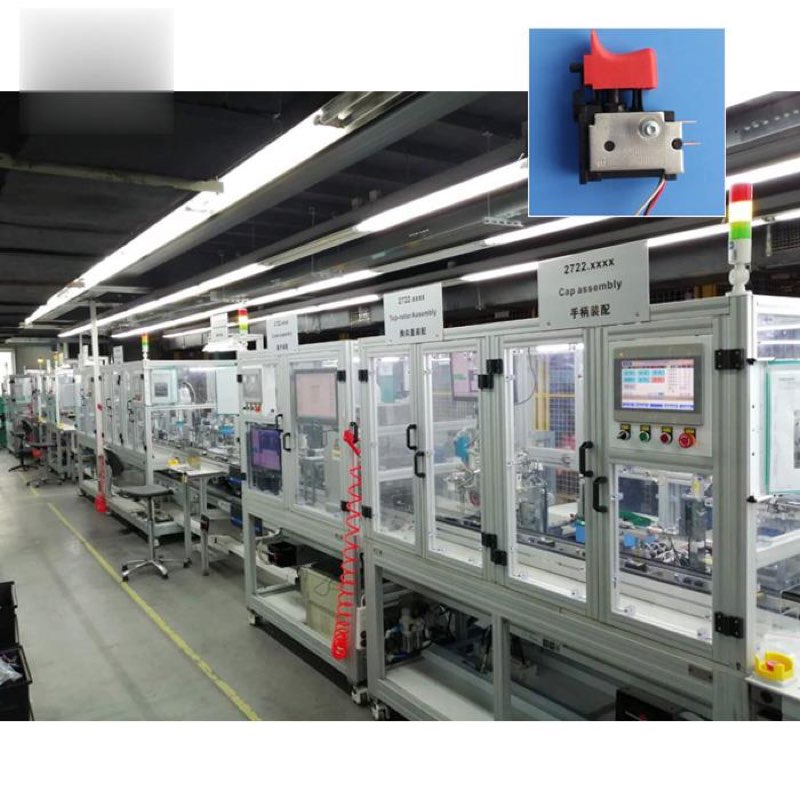
The most effective manufacturing lines combine both: upstream conveyor delivers bulk parts → vibratory feeder orients and singulates → downstream conveyor with pucks carries oriented parts to assembly. Huben Automation designs integrated systems that leverage each technology's strengths.
Comparison Summary
| Factor | Vibratory Bowl Feeder | Conveyor System |
|---|---|---|
| Primary function | Orientation and singulation | Bulk transport |
| Orientation | Excellent — custom tooling | None — maintains only |
| Singulation | Yes — one at a time | No — bulk movement |
| Throughput | 10–300 parts/min | Thousands of parts/hr |
| Part size range | 1–150 mm | Virtually unlimited |
| Transport distance | Short — within work cell | Long — across factory |
| Energy consumption | Low (50–300W) | Medium to high |
Making the Right Choice
The decision comes down to one question: does your process require parts in a specific orientation? If yes, a vibratory feeder is the purpose-built solution. If no, a conveyor provides higher throughput at lower cost per part. Most automated lines need both.
Huben Automation brings over 20 years of experience, ISO 9001 certification, and factory-direct pricing. Contact Huben Automation to discuss your parts handling application.