Vibratory Bowl Feeder Coating Selection Guide: PU, Teflon & More
Why Feeder Coatings Matter
The surface of a vibratory bowl feeder track is where the physical interaction between machine and product takes place. Without the proper coating, this interaction can lead to disastrous consequences: metal parts wearing down the bowl, delicate plastic parts getting scratched, or oily components slipping backward instead of feeding forward. Choosing the right vibratory bowl feeder coating is just as critical as the bowl's geometry itself.
At Huben Automation, we apply custom linings to over 90% of the bowls we manufacture. In this guide, we break down the four most common coating options—Polyurethane (PU), Teflon, Tungsten Carbide, and bare polished steel—and explain exactly when to use each based on your specific application, budget, and durability requirements.
1. Polyurethane (PU) Coating
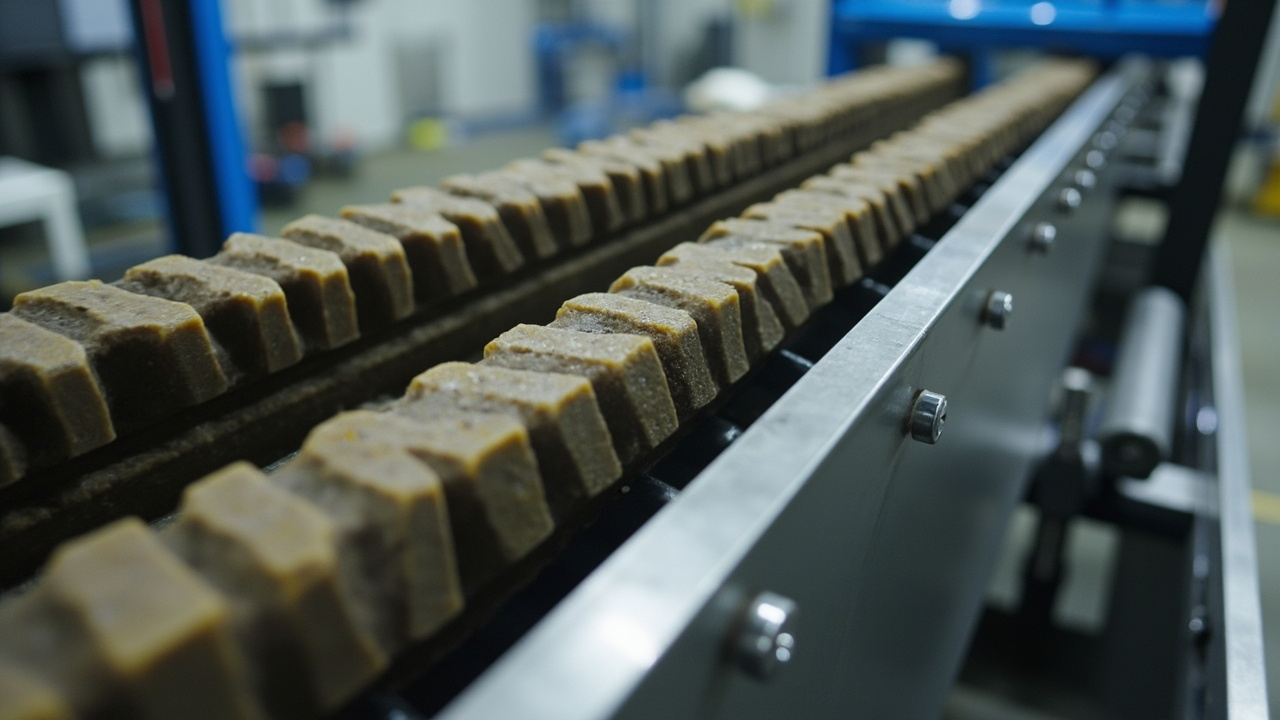
Polyurethane is the undisputed workhorse of the vibratory feeding industry. Applied either as a spray or brushed-on liquid that cures into a resilient rubber-like layer, PU is highly versatile.
Key Benefits
- Noise Reduction: PU acts as an excellent sound dampener, significantly reducing the "clinking" noise of metal parts hitting the bowl.
- Part Protection: The rubbery texture prevents delicate, painted, or plated parts from being scratched or marred during the feeding process.
- Increased Traction: PU provides a high coefficient of friction, which helps heavy or oily parts climb the track efficiently without slipping backward.
Ideal Applications
We highly recommend Polyurethane for automotive fasteners, stamped metal parts, glass vials, and any component with a cosmetic finish. It is generally the best starting point for most standard automation projects.
2. Teflon (PTFE) Coating
Teflon is famous for its non-stick properties, and in the world of vibratory feeders, it serves a very specific and vital purpose.
Key Benefits
- Anti-Stick Surface: Sticky rubber O-rings, silicone gaskets, and static-prone plastics will glide effortlessly over a Teflon-coated track without bunching up.
- Chemical Resistance: Teflon is highly resistant to aggressive chemicals, making it suitable for certain medical or harsh industrial environments.
- Easy Cleaning: Dust and debris do not adhere to the track, reducing daily maintenance requirements.
Limitations
Because Teflon reduces friction so drastically, it is not recommended for heavy metal parts that require traction to climb steep track inclines. Additionally, Teflon is relatively soft and will wear away quickly if subjected to sharp or abrasive components.
3. Tungsten Carbide Coating
When extreme durability is required, Tungsten Carbide is the ultimate solution. This coating is applied via a thermal spray process, bonding microscopic, diamond-hard particles directly to the stainless steel bowl.
Key Benefits
- Extreme Wear Resistance: Tungsten Carbide is incredibly hard. It can withstand the constant abrasion of sharp-edged steel, ceramic, or carbide parts that would chew through PU or bare steel in a matter of weeks.
- Micro-Traction: The slightly textured surface created by the thermal spray provides excellent grip for heavy, oily parts to climb the track.
Ideal Applications
Use Tungsten Carbide for heavy industrial manufacturing, such as feeding hardened steel bearings, sharp stamped components, screws, and abrasive ceramic inserts. While it is the most expensive coating option, the ROI is exceptional for high-wear applications, saving thousands in bowl replacement costs.
4. Bare Polished Stainless Steel
Sometimes, the best coating is no coating at all. A highly polished 304 or 316L stainless steel bowl is a standard requirement in highly regulated industries.
Key Benefits
- Sanitary Compliance: Bare stainless steel can be polished to a mirror finish, leaving no pores for bacteria to hide. It is the only acceptable option for strict FDA or GMP environments.
- Zero Contamination Risk: With no coating applied, there is zero risk of coating flakes peeling off and contaminating the product stream.
- Washdown Ready: Bare steel can withstand aggressive chemical washdowns and steam sterilization.
Ideal Applications
Pharmaceutical pills, medical devices, food products, and sterile packaging components almost exclusively use bare polished stainless steel bowls.
Coating Comparison Summary
| Coating Type | Friction Level | Wear Resistance | Noise Reduction | Best For |
|---|---|---|---|---|
| Polyurethane (PU) | High | Medium | Excellent | General metal/plastic parts, preventing scratches |
| Teflon (PTFE) | Very Low | Low | Low | Sticky rubber, silicone, static-prone plastics |
| Tungsten Carbide | High | Extreme | Low | Sharp, abrasive, or heavy hardened steel parts |
| Bare Polished Steel | Low-Medium | High | None | Food, Pharma, Medical devices (FDA/GMP) |
Making the Right Choice
Selecting the correct vibratory bowl feeder coating is a balancing act between part material, cycle rate, and budget. Choosing a cheap bare steel bowl for heavy abrasive parts will lead to premature failure, while applying Teflon to heavy metal fasteners will result in a feeder that simply cannot move the product.
With over 20 years of experience, Huben Automation engineers analyze your specific sample parts to recommend and apply the exact coating required for maximum longevity and feed efficiency. Contact our technical team today to request a free part evaluation and custom feeder quote.