Validate Feed Rate & Orientation Accuracy 2026

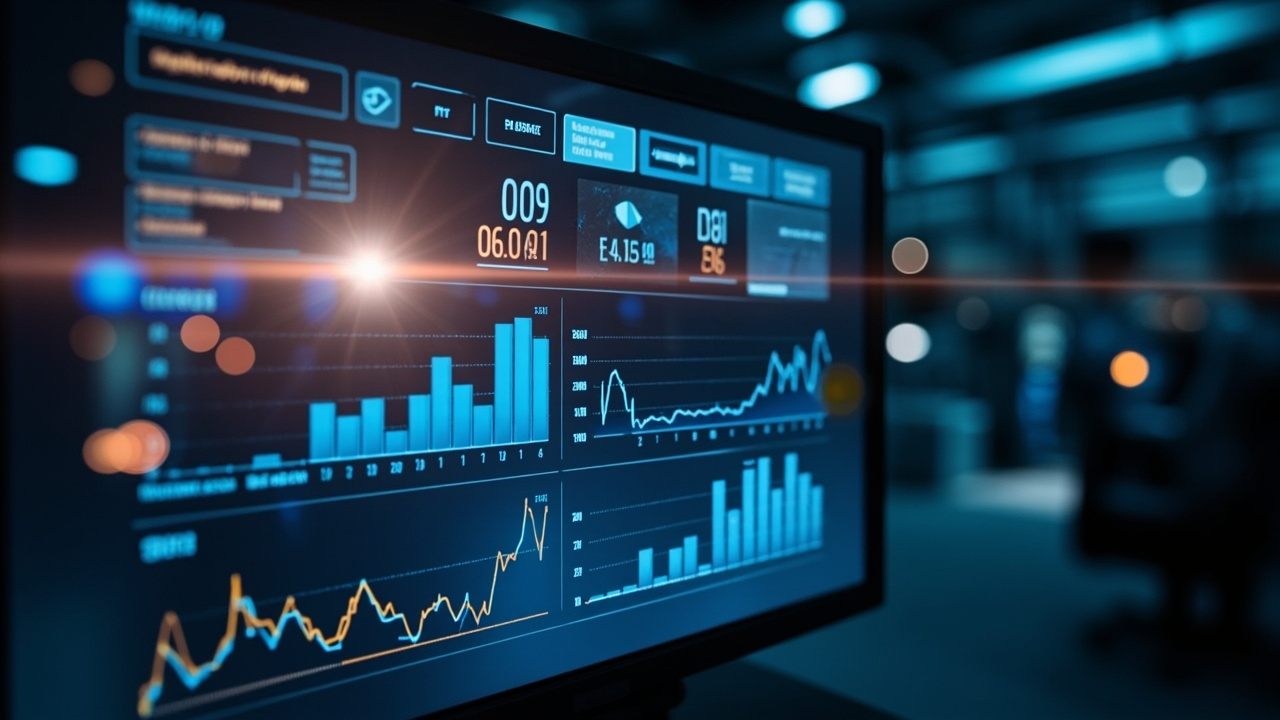
You should validate a feeder the way the line will use it
Feed rate and orientation accuracy are the two numbers buyers ask for most often. They are also the two numbers easiest to misunderstand. A supplier may quote them honestly and still define them in a way that does not match your line.
That is why validation matters before purchase. The question is not whether the feeder can hit a number for a moment. The question is whether it can hold the right number under the part condition, bowl load, and runtime that your production line actually needs.
This guide shows how to validate feed rate and orientation yield in a practical way so supplier comparisons become more meaningful. It complements our acceptance test guide and capacity guide.
Where validation numbers go wrong
The first issue is definition. Some teams talk about parts moving in the bowl. Others mean correctly oriented parts at the discharge. Only one of those numbers feeds the next station.
The second issue is test condition. A feeder can look strong at half load and disappoint at full production fill. It can also look excellent on hand-cleaned parts and struggle on real plant-condition samples.
The third issue is duration. Very short tests often show the best moment, not the normal working condition.
| Validation item | Good definition | Weak definition | Why it matters |
|---|---|---|---|
| Feed rate | Good parts at discharge | Movement in the track | Only discharge rate feeds the line |
| Orientation accuracy | Correctly presented parts over time | A short visual estimate | Small errors compound quickly |
| Load condition | Defined bowl fill window | Whatever happened during demo | Loaded behavior often changes output |
| Test duration | Sustained timed run | A quick proof shot | Short runs hide drift and jams |
What to ask suppliers to prove
Ask suppliers to state the exact part sample, bowl fill, test duration, and whether the number refers to gross motion or good output. The better suppliers usually answer this quickly because they already think this way.
If orientation matters, ask for an explicit orientation-yield check, not just a throughput claim. These are related but not identical.
If the line uses robots, screwdrivers, or insertion tools, ask for the feeder result at the real handoff condition wherever possible.
A practical validation method
Most buyers get a much clearer picture when they validate in a fixed sequence.
- Define the required good-part output. This should match what the next process actually consumes.
- Set the load condition and duration. Half-full demos are not enough for serious comparison.
- Measure orientation yield separately. Count wrong presentations as their own metric.
- Compare controller reserve and fault behavior. A feeder working at the edge of its range has little operating margin.
The best supplier comparison is usually the one with the least ambiguity, not the highest isolated number.
What to watch during runoff
Look for consistency over time. The feeder should not rely on a narrow lucky window of bowl fill or controller position to stay near target output.
Watch how operators would actually load and refill the system. A feeder that only passes under ideal handling conditions may still become a production problem later.
If the project includes a hopper, robot, or escapement, include those interfaces in the validation wherever possible. That is where many practical losses begin.
Buyer checklist before comparing suppliers
A small checklist prevents most validation misunderstandings.
- Use the same part samples for every supplier. This removes one major source of confusion.
- Define good output at the discharge. That is the cleanest standard for comparison.
- Record orientation yield and duration. Throughput alone is not enough.
- Ask for loaded-condition testing. This is where weak systems often reveal themselves.
Huben Automation validates feeders around the way the line will actually use them. If you want help structuring a supplier comparison, send us the target rate and part sample details.