Syringe Component Feeding Guide 2026

Syringe feeding combines clean handling with awkward part geometry
Syringe components look straightforward until the line asks for stable flange orientation, clean contact surfaces, and gentle handling at speed. The parts are light, often cosmetic, and usually tied to regulated manufacturing conditions. That combination makes them harder than they first appear.
A syringe feeder should be reviewed around part cleanliness, orientation features, and what the next station needs to receive. This article links naturally with our medical device automation guide.
What makes syringe parts difficult to feed
The first issue is geometry. Barrels, plungers, flanges, seals, and caps each behave differently, and even one syringe family may involve several feeder concepts on the same machine.
The second issue is cleanliness and cosmetic control. Marks, debris, and rough handling can become immediate quality concerns.
The third issue is regulated assembly. The feeder must fit the cleaning, documentation, and environmental expectations of the medical process.
| Syringe component case | Main risk | Feeding concern | What to verify |
|---|---|---|---|
| Barrel with flange | Wrong orientation | Stable flange reference | Orientation at handoff |
| Plunger rod | Bounce and skew | Calm linear guidance | Pick repeatability |
| Seal or stopper | Surface damage or contamination | Gentle contact path | Part condition after run |
| Mixed syringe family | Changeover burden | Modular tooling or flexible stage | Reset time and cleaning path |
Which feeder concepts usually fit syringe work
Dedicated bowls can work well for stable syringe families with clear orientation features. Flexible feeders become attractive when the product mix grows or when mechanical orientation becomes too delicate.
Many syringe machines use a hybrid approach because different components need different handling priorities.
The correct answer should be chosen component by component rather than imposed on the whole machine.
Rules that improve syringe-part feeding
- Separate cleanliness requirements from simple motion requirements.
- Review flange and cosmetic contact points carefully.
- Validate each syringe component on its own terms.
- Make cleaning and inspection practical for the real operators.
Syringe feeding systems usually succeed when they stay disciplined about surface contact and part-specific orientation.
How to validate syringe-component feeders
Run with production-condition parts and inspect cosmetic surfaces after a meaningful sample size. Small marks can escape notice during short trials.
Validate orientation at the actual next station, whether that is assembly, inspection, or packaging. Syringe components often need very controlled presentation at the handoff.
If the process is regulated, confirm documentation, material traceability, and cleaning expectations early rather than after the mechanical design is already fixed.
Buyer checklist before requesting a quote
- List all syringe components involved, not just the main one.
- State the required cleanliness and cosmetic limits.
- Describe the exact orientation needed at the next station.
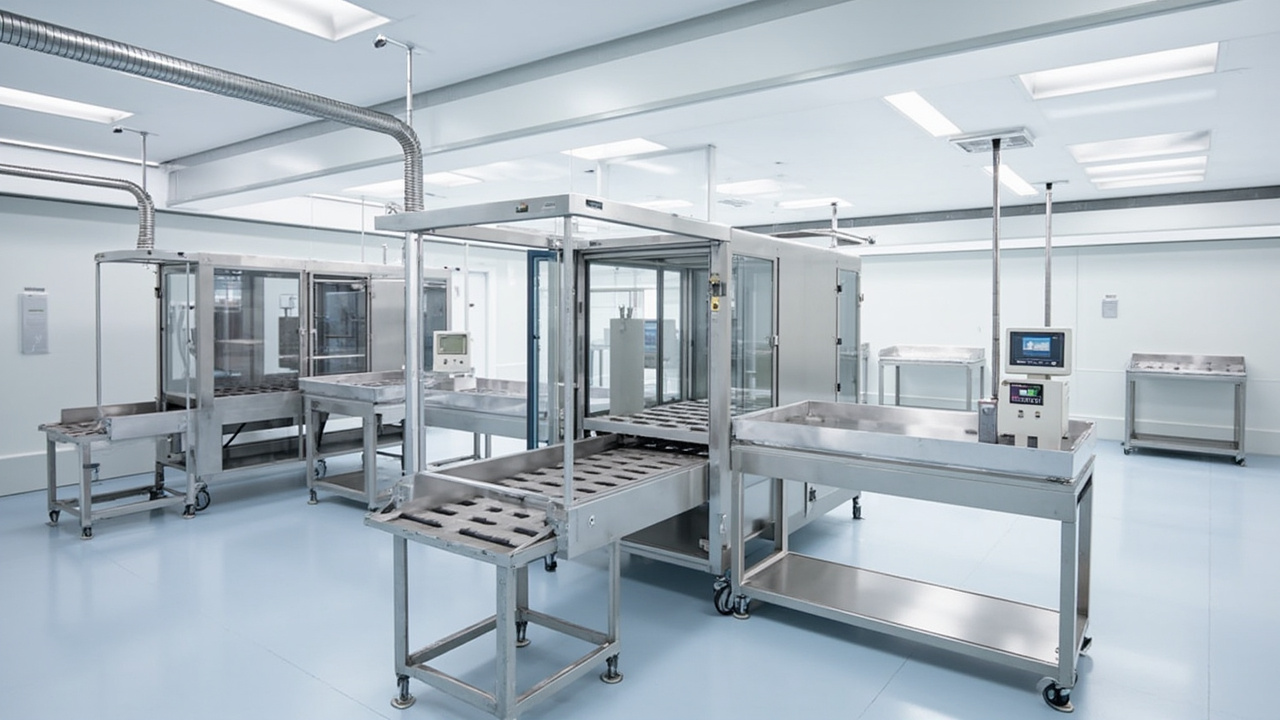
- Include environmental or cleanroom requirements.
Huben Automation reviews syringe feeding around part-specific handling, realistic cleanliness control, and the real assembly interface. If you want help checking a syringe project, send us the component data and process sequence.