Step Feeder vs Vibratory Feeder: Which Is Best for Your Application?

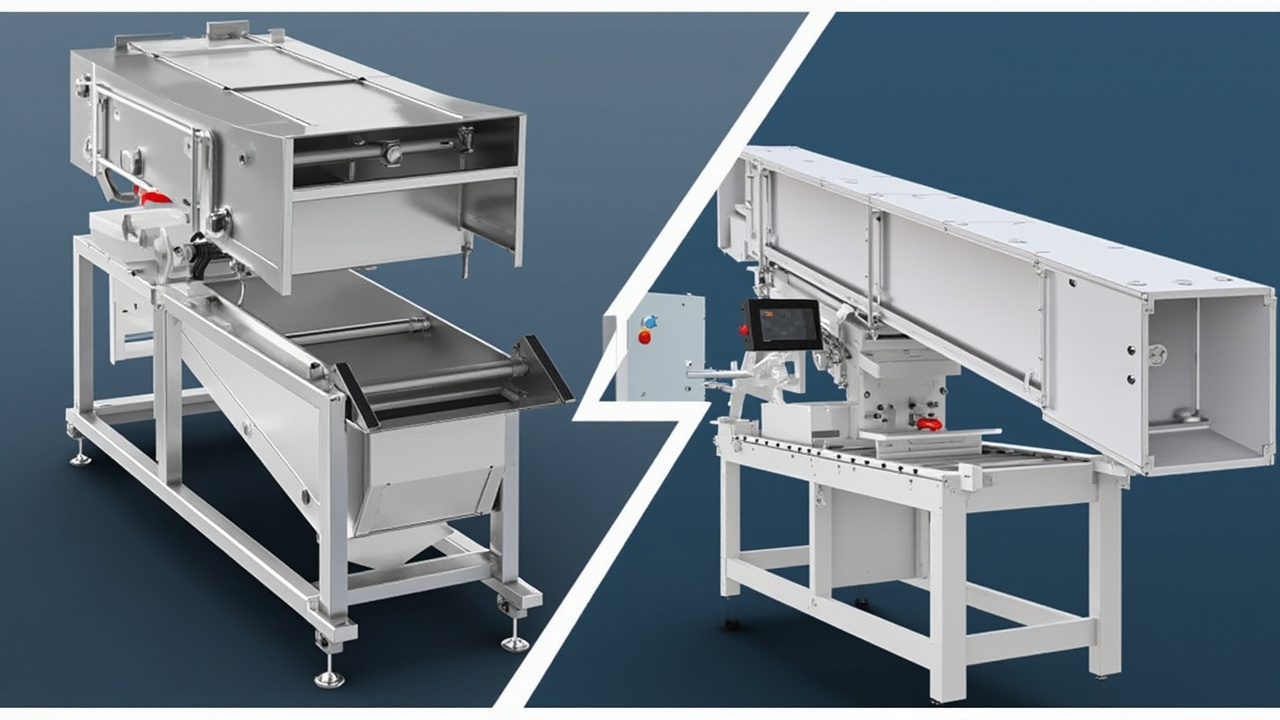
Step Feeder vs Vibratory Feeder: Making the Right Choice
Two of the most widely used feeding technologies take fundamentally different approaches: step feeders use mechanical lift, while vibratory feeders use electromagnetic vibration. Understanding where each excels is essential for specifying the right feeder.
How Step Feeders Work
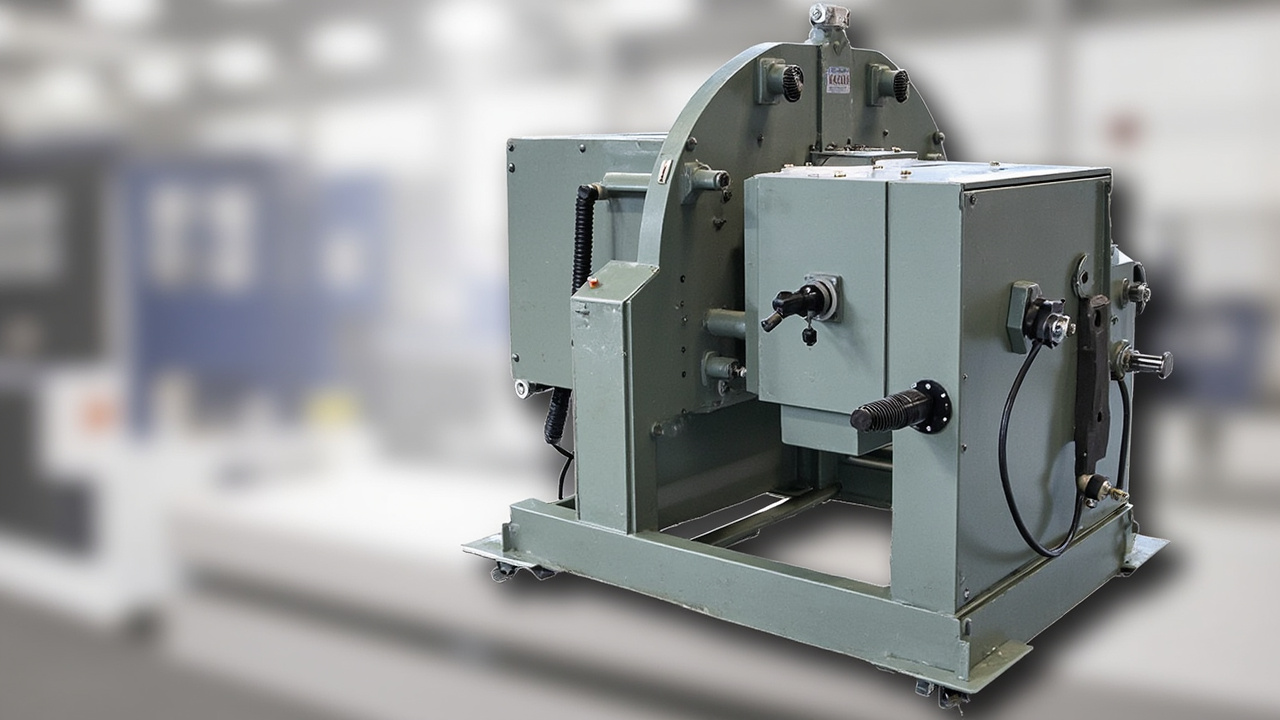
A step feeder uses reciprocating horizontal platforms mounted on a cam-driven mechanism to lift parts one level at a time from a bulk hopper to the discharge point. Parts that are not properly seated slide back into the hopper. Because the lifting action is purely mechanical and intermittent, parts experience minimal contact force — no continuous vibration is transmitted through the part body.
Huben Expert Tip
Noise reduction isn't just about compliance—it reduces operator fatigue. Consider adding a sound-dampening enclosure or polyurethane coating if your factory floor exceeds 80dB.
How Vibratory Feeders Work
Vibratory bowl feeders use electromagnetic coils to generate high-frequency, low-amplitude vibrations that move parts along a spiral track. Tooling features — selectors, wipers, air jets — reject incorrectly oriented parts. Vibratory feeders excel at orienting complex geometries but transmit vibration energy through every part in the bowl.
Side-by-Side Comparison
| Parameter | Step Feeder | Vibratory Bowl Feeder |
|---|---|---|
| Feeding mechanism | Mechanical step lift | Electromagnetic vibration |
| Typical throughput | 20–200 ppm | 200–1000+ ppm |
| Noise level | 50–65 dB | 70–85 dB |
| Part handling | Very gentle | Moderate — continuous vibration |
| Part size range | Medium to large (10–300 mm) | Small to medium (1–80 mm) |
| Orientation complexity | Moderate | High — multi-stage tooling |
| Coated/delicate parts | Excellent — no surface damage | Risk of coating wear |
| Hopper capacity | Large — integrated | Limited — external needed |
| Maintenance | Low — few wear parts | Moderate — springs, coils |
| Energy consumption | Low — intermittent | Moderate — continuous |
| Cleanroom compatibility | Good — low particulate | Fair — vibration generates particulates |
When to Choose a Step Feeder
- Delicate and fragile parts — glass, ceramics, thin-walled plastics
- Coated and painted surfaces — automotive trim, powder-coated hardware
- Large and heavy parts — exceeding 80–100 mm or 200 grams
- Noise-sensitive environments — medical, laboratory, near offices
- High part mix, low volume — frequent changeovers
When to Choose a Vibratory Feeder
- High-speed production — exceeding 200 ppm
- Small parts — under 10 mm
- Complex orientation — multi-axis orientation required
- Cost-sensitive applications — lower initial cost for standard parts
The Hybrid Approach
A step feeder for gentle bulk elevation + a vibratory inline track for final orientation combines the strengths of both technologies. Huben Automation designs integrated systems using both feeder types.
Why Huben Automation
Huben Automation has over 20 years of experience designing both step feeders and vibratory bowl feeders. Unlike single-technology suppliers, we provide unbiased recommendations. ISO 9001 certified quality and factory-direct pricing. Contact Huben Automation to discuss your application.