Robot Pick Zone Design Guide 2026

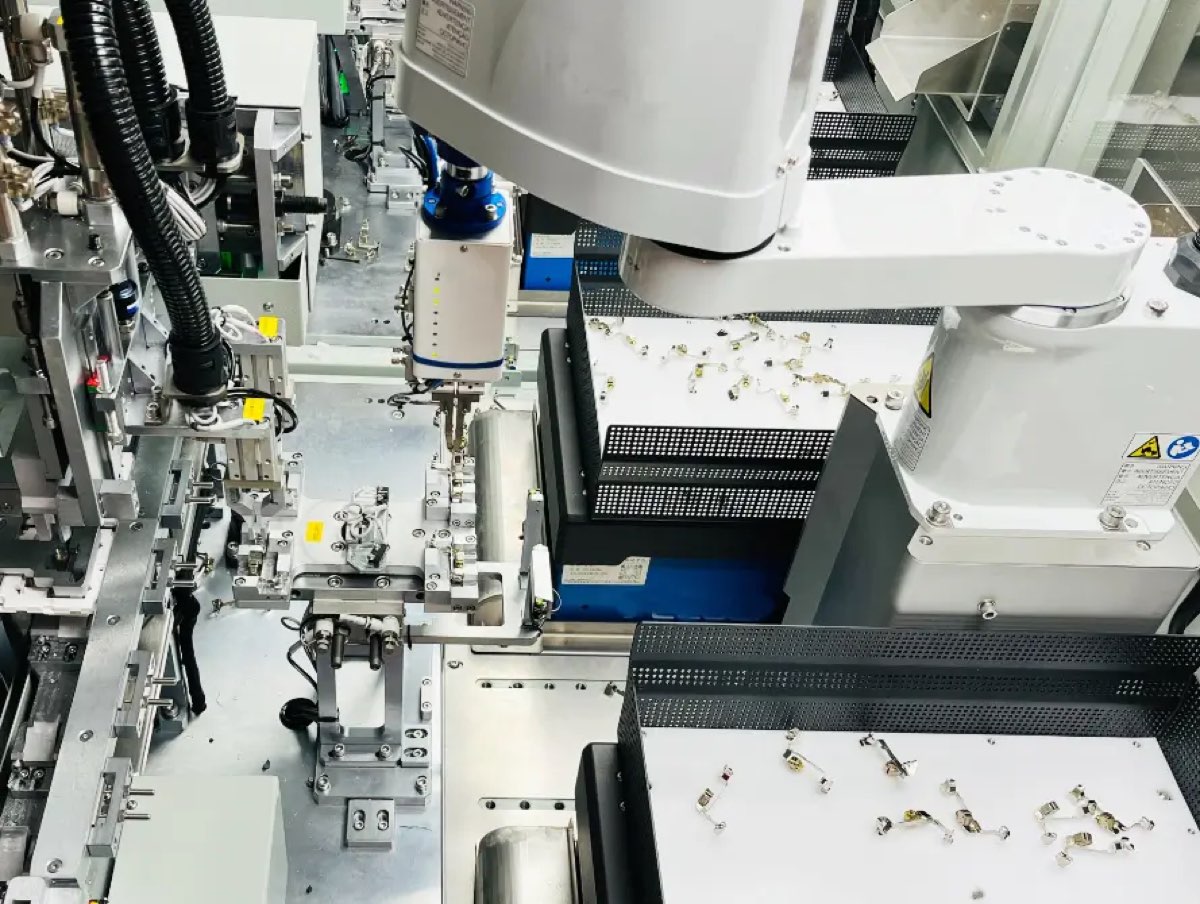
Robot picking depends on the feeder’s last few centimeters more than most people expect
A feeder can orient parts well and still give the robot a poor pick if the release area lets the part drift, bounce, or settle inconsistently. That is why robot pickup problems often trace back to pick-zone design rather than to the bowl, camera, or gripper alone.
The pick zone is where motion control, vision confidence, and final mechanical presentation meet. It deserves deliberate design. This article pairs with our robot integration guide and escapement design guide.
Why pick zones fail even when the feeder and robot look fine separately
The first issue is pose drift. A part can arrive correctly and then rotate or slide slightly before the robot reaches it. That small change often explains intermittent missed picks.
The second issue is visual ambiguity. If the pick zone is crowded, reflective, or poorly lit, the camera may see inconsistent candidates even when the feeder itself is stable.
The third issue is timing mismatch. The part may not be fully settled when the camera captures it or when the robot begins its move.
| Case | Main risk | Design focus | What to verify |
|---|---|---|---|
| Part bounces after release | Pose drift | Calm the final nest or stop | Pick repeatability |
| Camera sees inconsistent edges | Poor visual field | Simplify and light the zone better | Vision confidence |
| Robot arrives too soon | Timing mismatch | Add settle time or calmer release | Missed-pick rate |
| Queue intrudes into zone | Confusing candidates | Isolate the pick area clearly | Candidate quality |
How to design a better robot pick zone
Start by deciding what the robot truly needs: one isolated part, a narrow pose window, or simply one readable candidate in a flexible field. Those are different pick-zone problems and they should not share one generic answer.
Then shape the release area around stability. Shorter motion, less bounce, and clearer visual background often improve pick success more than chasing a more complex gripper or camera model.
If the robot works from a flexible feeder, candidate density matters too. A pick zone that produces one clear candidate every cycle may outperform a busier area that looks good in screenshots but forces the robot to hesitate.
Rules for better pick-zone design
- Define the required pose window clearly. This keeps the design goal specific.
- Keep the final area calm and visually clean. The camera and robot both benefit.
- Match settle time to the actual motion. Do not assume the part is ready the instant it arrives.
- Measure candidate quality, not just candidate count. A noisy pick zone wastes robot time.
Good pick zones feel boring in operation. The part arrives, settles, and stays where the system expects it to be. That is the whole job.
How to validate a robot pick zone
Measure pick success over a long run, not only during guided slow trials. Small pose drift problems often appear only when the robot is back at production speed.
Review camera confidence and robot success together. If one looks good and the other looks weak, the pick zone is usually where the mismatch lives.
If the feeder supports several part variants, validate the pick zone for each family. A zone that suits one silhouette may be poor for the next one.
Buyer checklist before requesting a quote
- Describe what the robot must actually pick. One isolated part and one acceptable candidate are not the same thing.
- State the target cycle time and allowed settle time.
- Share camera setup and lighting constraints.
- Include whether several part variants will use the same zone. That changes the design immediately.
Huben Automation reviews robot pick zones around pose stability, camera readability, and the real timing between release and pickup. If you want help checking a feeder pickup area, send us the part data, camera setup, and robot timing.