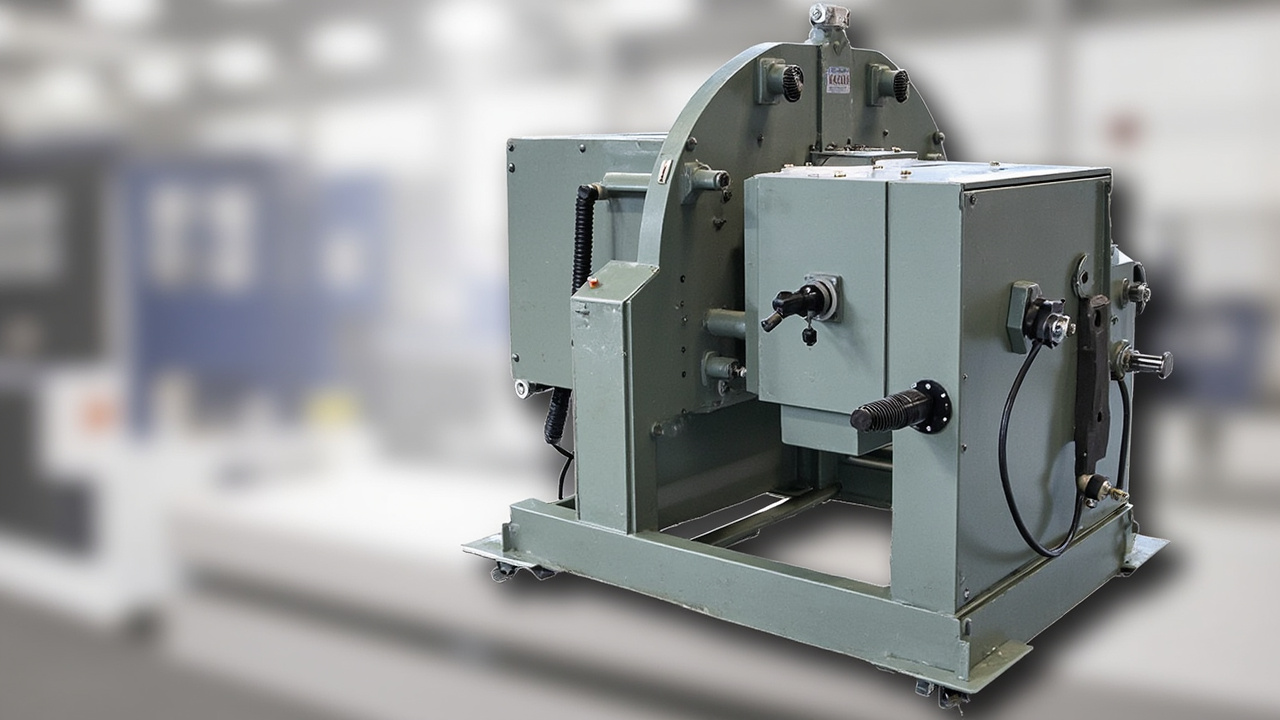
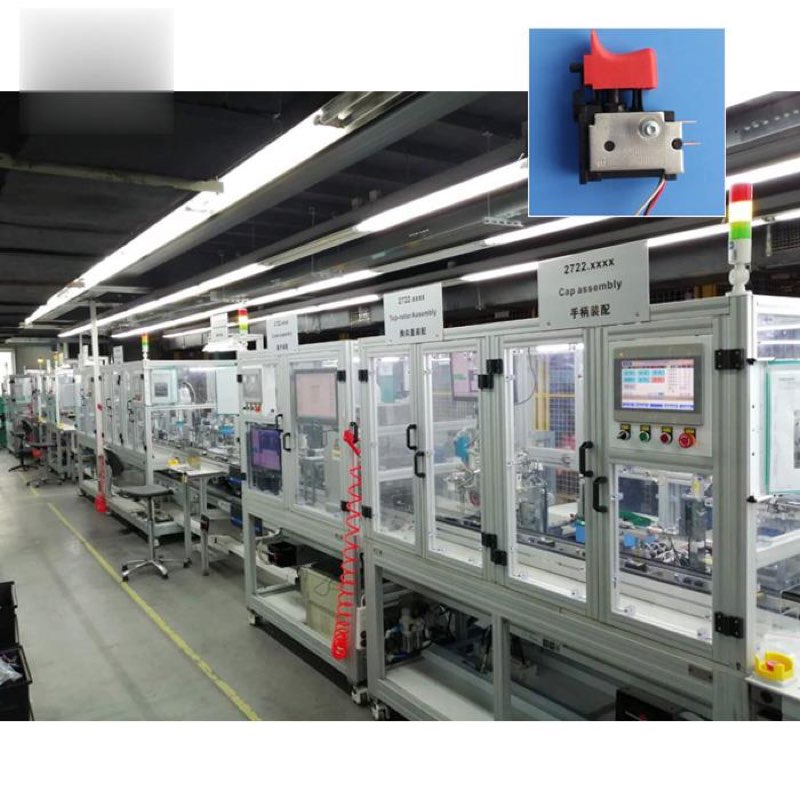
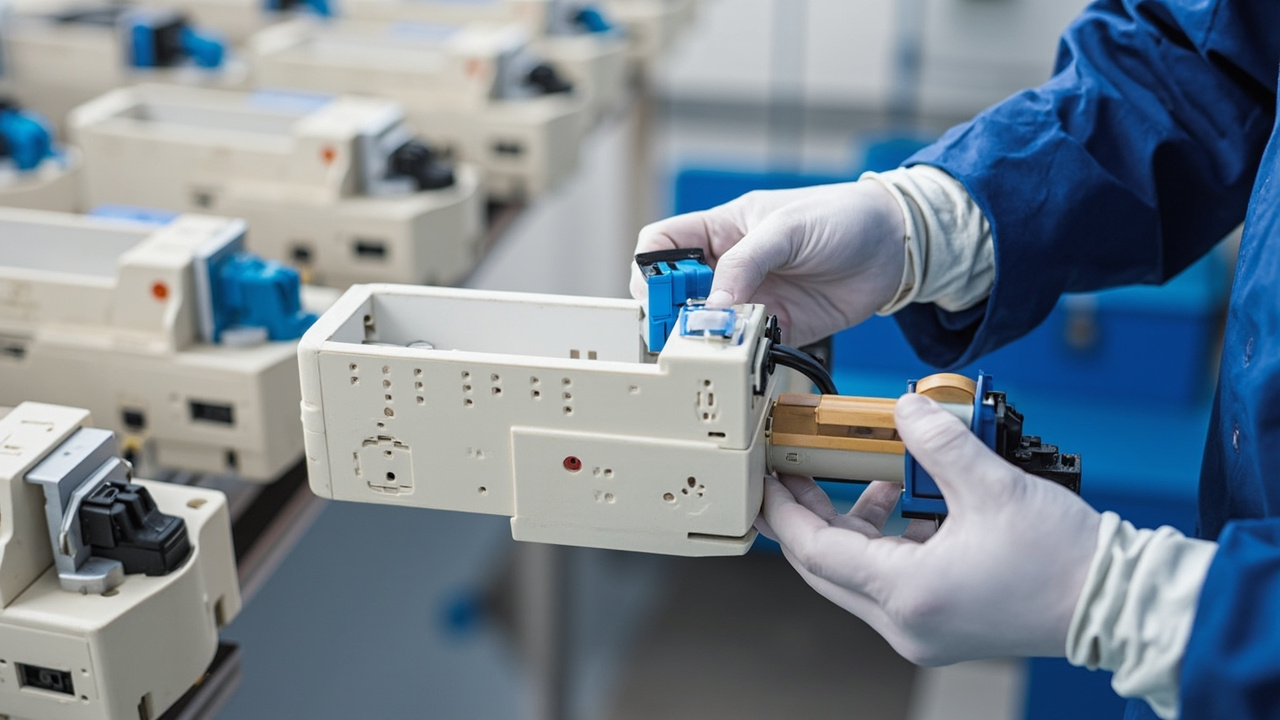
Rivet Feeding System Guide 2026

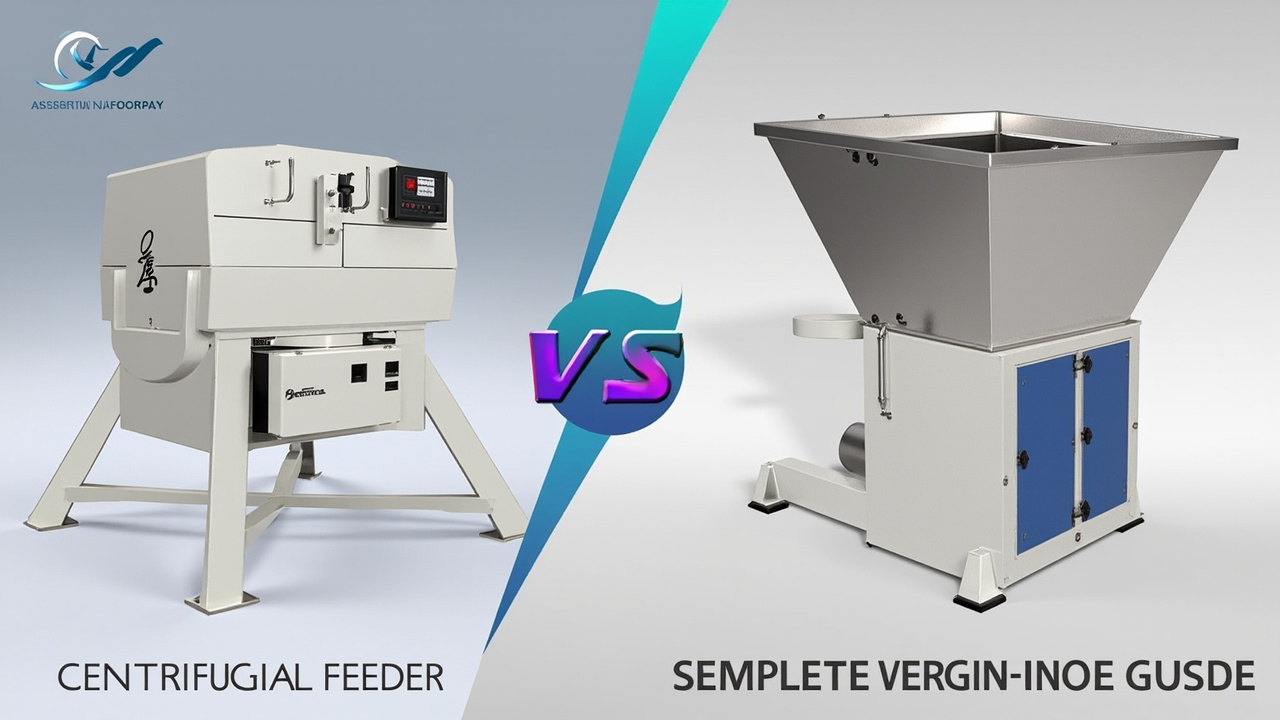
Rivet feeding usually turns into a choice between control and speed
Rivet applications push buyers toward two questions quickly: can the feeder protect the part, and can it still keep up with the line? Soft rivets, long blind rivets, and head-sensitive presentation make that decision less obvious than it looks.
In many projects the real comparison is not one supplier against another. It is bowl feeding against centrifugal feeding, with the assembly requirement deciding the winner. This article links well with our centrifugal vs vibratory guide.
What makes rivets awkward to feed
Head-to-shank difference gives the feeder something to work with, but rivets are often less stable on the track than screws or bolts. Blind rivets add stem behavior. Soft aluminum parts add surface sensitivity.
The second issue is process pace. Riveting stations often want steady high-speed presentation, and they punish gaps in supply quickly.
The third issue is part family range. A system that handles one semi-tubular rivet very well may not handle a longer blind rivet without redesign.
| Rivet case | Main risk | Likely better option | What to prove |
|---|---|---|---|
| Soft aluminum rivet | Surface damage | Coated bowl feeder | Part condition after run |
| Blind rivet | Stem instability | Case-by-case comparison | Orientation yield |
| High-speed simple rivet | Supply gaps | Centrifugal feeder | Usable ppm at station |
| Mixed rivet family | Changeover burden | Modular or flexible concept | Reset time between types |
When to use bowl feeding and when to look elsewhere
Bowl feeders are strong when orientation accuracy and part protection matter most. That is especially true for softer rivets and applications where the output must stay stable into an escapement or pick point.
Centrifugal feeders deserve attention when the rivet geometry is simple and the line demands higher speed. They can move fast, but the real question is whether the speed is usable after orientation and final presentation are counted honestly.
For many buyers, a slightly slower but more stable bowl-based system wins the total-cost argument.
Rules that reduce rivet-feeder surprises
- Separate cosmetic and functional limits. Some lines care deeply about marks on the head.
- Match the feeder to the riveting tool. Orientation needs come from the next station.
- Do not ignore stem behavior. Long blind rivets move differently than head-only parts.
- Measure with real part lots. Rivet variation can change the outcome quickly.
A rivet feeder should be chosen for the line it serves, not for an abstract speed number.
How to validate a rivet feeding system
Check orientation, usable ppm, and part condition separately. Many feeder demos combine them into one positive-looking output number.
Run enough parts to see whether the coating, track geometry, or air assist changes the rivet finish. Cosmetic damage often appears after repeated contact, not in the first minute.
If the system feeds directly into a riveting module, test with actual cycle timing and sensor logic in place. Tiny release errors can become jam events at the tool.
Buyer checklist before requesting a quote
- Send the exact rivet type and length range.
- State whether head-first presentation is mandatory.
- Call out any cosmetic or material-surface requirement.
- Include the required usable rate at the riveting station.
Huben Automation reviews rivet projects around orientation stability, part protection, and the speed the station can truly use. If you want help checking a rivet application, send us the rivet samples and target cycle time.