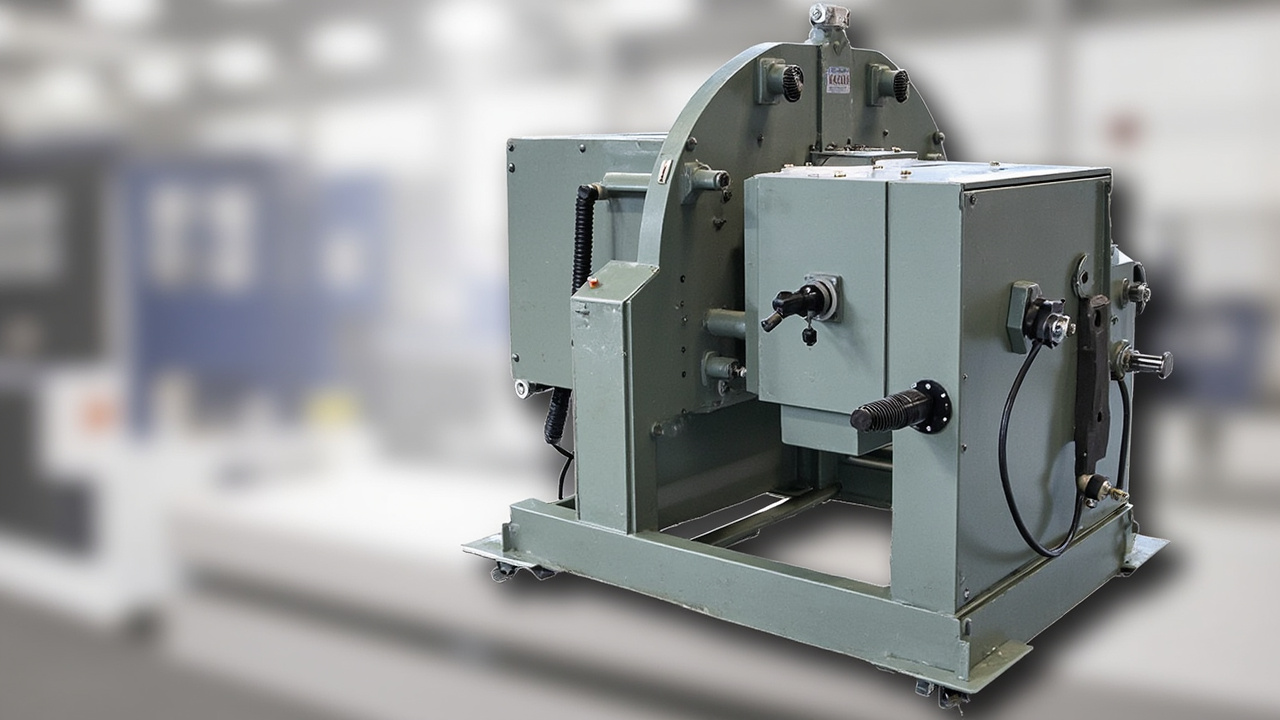
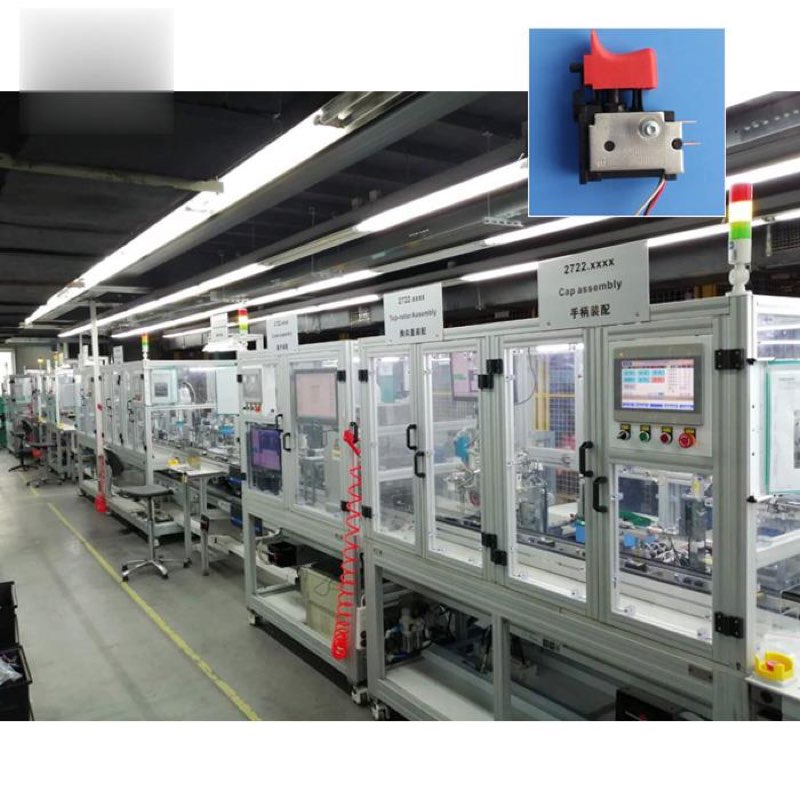
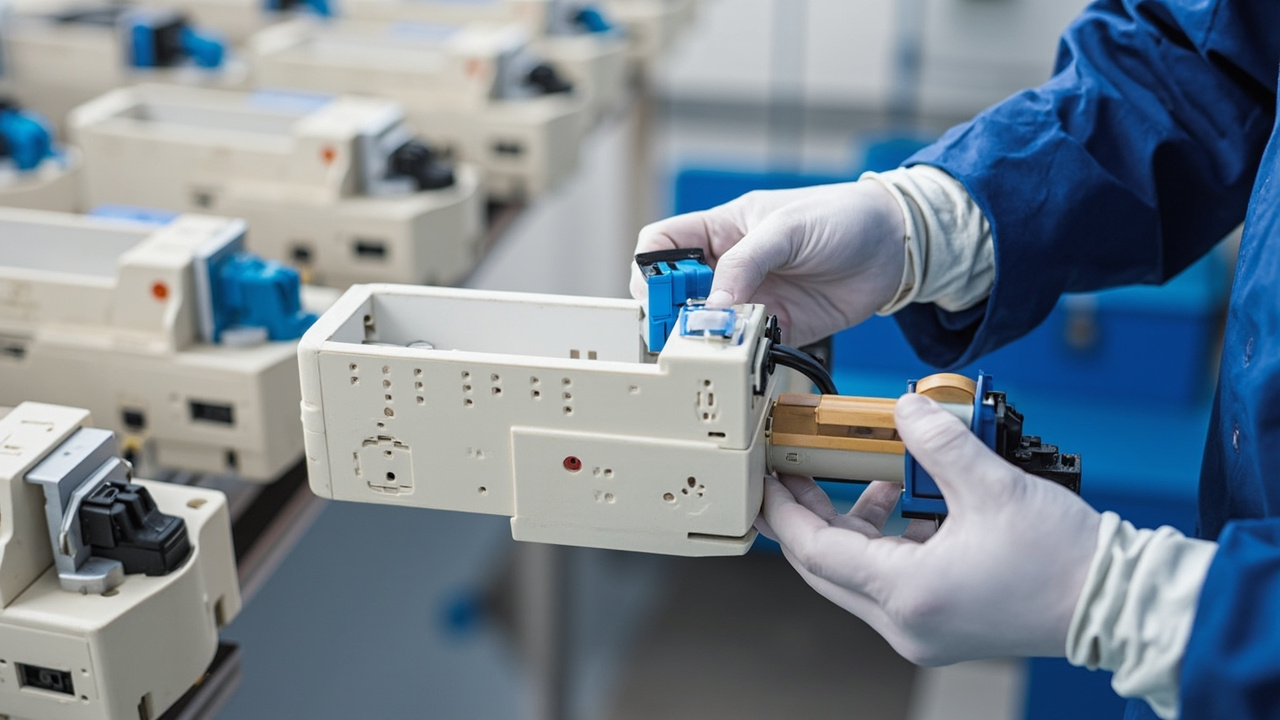
Automatic Parts Feeder Systems from China: Types & Applications

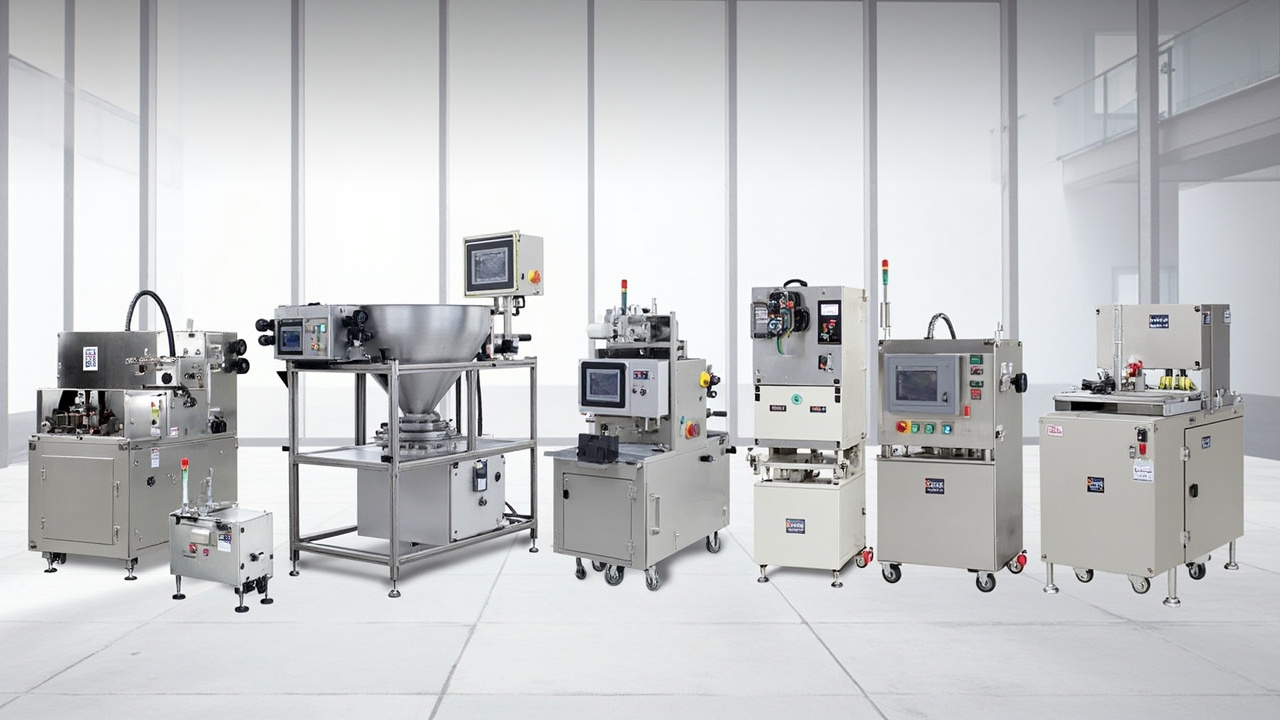
Introduction: The Landscape of Automatic Parts Feeding
Automatic parts feeder systems represent the critical first step in automated assembly, packaging, and manufacturing processes. These systems take bulk components from a random state and deliver them to downstream equipment in a consistent orientation at a controlled rate. Without reliable feeding, even the most sophisticated assembly robots and packaging machines cannot operate effectively.
China has emerged as the world's leading manufacturer of parts feeding equipment, offering every major feeder type at competitive prices with quality that meets or exceeds international standards. This guide provides a comprehensive overview of automatic parts feeder systems available from Chinese manufacturers, examining each type's operating principles, strengths, limitations, and ideal applications across major industries.
Vibratory Bowl Feeders
Vibratory bowl feeders remain the most widely used parts feeding solution globally. They use electromagnetic vibration to move parts up a spiral track inside a bowl-shaped container, with custom tooling orienting components as they travel.
Operating Principle
An electromagnetic drive unit generates controlled vibrations at 50-120 Hz, causing the bowl to oscillate in a twisting motion. This vibration creates friction between parts and the track surface, propelling components upward along the spiral path. Custom-designed baffles, selectors, and orientation features ensure only correctly oriented parts exit the bowl, while incorrectly oriented parts fall back for recirculation.
Strengths and Advantages
Vibratory bowl feeders excel in high-speed feeding applications achieving rates from 20 to 800 parts per minute depending on component size. They handle an extremely wide range of part geometries and materials, from tiny electronic components to large automotive parts. Bowl feeders offer excellent reliability with mean time between failures exceeding 10,000 hours when properly maintained. Their simple mechanical design results in straightforward maintenance and long service life.
Limitations
Bowl feeders require custom tooling for each unique part, making changeovers time-consuming and expensive. They generate noise levels of 70-85 decibels requiring acoustic management in quiet environments. Delicate parts may be damaged by vibration or part-to-part contact. The feeding range is limited to parts between approximately 5 mm and 300 mm in their longest dimension.
Typical Applications
Automotive component feeding for fasteners, clips, and connectors represents one of the largest application segments. Electronics manufacturing uses bowl feeders for capacitors, resistors, and connectors. Medical device production feeds syringe components, vial caps, and implant parts. Consumer goods assembly handles bottle caps, pump dispensers, and appliance hardware.
Linear Vibratory Feeders
Linear vibratory feeders transport oriented parts from a bowl feeder or other source along a straight track to a pickup point or processing station.
Operating Principle
Linear feeders use electromagnetic or piezoelectric drives to create horizontal vibration along a straight track. Parts slide forward in micro-steps, maintaining their orientation established by upstream equipment. Track design can include escapements, accumulation zones, and positioning features for precise part presentation.
Strengths and Advantages
Linear feeders provide controlled transport over distances from 100 mm to over 2,000 mm. They maintain precise part spacing and orientation for robotic picking or assembly operations. Multiple parallel tracks can feed several production stations from a single source. Linear tracks are easier to tool and modify than bowl feeders, reducing changeover complexity.
Limitations
Linear feeders cannot orient parts from a random state; they require pre-oriented input from a bowl feeder or similar device. Long tracks may exhibit amplitude variation along their length, requiring multi-drive configurations. Part segregation by weight or friction characteristics can occur on long transports.
Typical Applications
Linear feeders serve as the bridge between bowl feeders and assembly stations in automated production lines. They buffer parts between processes with different cycle times. Multi-lane linear tracks feed high-speed packaging machines. Precision linear tracks present parts to vision systems or robotic pick stations with sub-millimeter accuracy.
Centrifugal Feeders
Centrifugal feeders, also known as rotary feeders or disc feeders, use rotational force rather than vibration to orient and feed parts.
Operating Principle
A rotating disc or bowl spins at controlled speeds, using centrifugal force to move parts outward to a peripheral track. Orientation tooling along the track selects correctly positioned parts while rejecting misaligned components back to the disc center. The continuous rotation provides smooth, high-speed feeding particularly suited to simple symmetrical parts.
Strengths and Advantages
Centrifugal feeders achieve very high feed rates, often exceeding 1,000 parts per minute for small symmetrical components. The gentle rotational motion causes less part damage than vibration for delicate components. Noise levels are typically 10-15 decibels lower than equivalent vibratory feeders. Continuous rotation eliminates the pulsating flow characteristic of vibratory feeding.
Limitations
Centrifugal feeders are limited to relatively simple part geometries that can be oriented by gravity and centrifugal force alone. Complex parts with asymmetric features often cannot be oriented reliably. The feeders are generally larger and more expensive than vibratory bowls for equivalent capacity. Part size range is narrower, typically 10-80 mm.
Typical Applications
Pharmaceutical cap feeding for bottles and vials leverages the gentle handling and high speed of centrifugal feeders. Cosmetic packaging feeds pump dispensers, spray caps, and jar lids. Food packaging handles closures, lids, and containers requiring hygienic smooth surfaces. Electronics feeding of simple cylindrical or disc-shaped components benefits from the non-vibrational transport.
Flexible Vibratory Feeders
Flexible feeders represent the newest category of parts feeding, combining a programmable vibrating platform with vision-guided robotic picking.
Operating Principle
Parts are deposited onto a flat vibrating platform that uses programmable vibration patterns to spread and separate components. An overhead vision system identifies part positions and orientations. A robot equipped with appropriate end effectors picks correctly oriented parts from the platform and places them into the production process. Unpicked parts recirculate through the system.
Strengths and Advantages
Flexible feeders handle multiple part types without mechanical changeover, making them ideal for high-mix production environments. Product changeovers require only software recipe changes, typically completed in minutes rather than hours. They accommodate part design changes without tooling modifications. Flexible feeders excel with parts that are difficult to orient mechanically due to complex geometry or flexible characteristics.
Limitations
Flexible feeders have higher capital costs than dedicated bowl feeders, typically 2-3 times the price for equivalent throughput. Feed rates are generally lower than optimized bowl feeders, particularly for simple parts. The systems require integration of multiple technologies including vibration, vision, and robotics. Part entanglement and overlapping can reduce picking efficiency.
Typical Applications
High-mix manufacturing environments such as contract electronics assembly benefit from flexible feeding's rapid changeover. Medical device production with frequent design iterations avoids repeated tooling investments. Automotive component feeding for low-volume specialty vehicles handles diverse part families. Plastic injection molding operations feed sprues, runners, and parts with variable orientation requirements.
Step Feeders
Step feeders use mechanical elevation to lift parts from a bulk hopper to a discharge height, where they are oriented and fed to downstream equipment.
Operating Principle
A series of mechanically driven steps or plates lift parts upward from a bulk supply. Parts are agitated and separated during elevation, with orientation occurring at the discharge point through gravity slides or mechanical selectors. The step motion is gentler than vibration, making step feeders suitable for delicate or damage-sensitive components.
Strengths and Advantages
Step feeders handle larger and heavier parts than vibratory feeders, typically 50-500 mm. The mechanical elevation mechanism is gentle on fragile parts and produces minimal noise. Large hopper capacities allow extended unattended operation. Step feeders can process oily or sticky parts that would adhere to vibratory bowl surfaces.
Limitations
Step feeders are generally slower than vibratory feeders, with typical rates of 10-100 parts per minute. They require more mechanical maintenance due to moving parts including chains, sprockets, and bearings. The footprint is larger than equivalent vibratory systems. Part geometry must be compatible with step elevation without jamming.
Typical Applications
Automotive stamping plants feed large brackets, panels, and structural components. Foundry operations handle castings and forgings requiring gentle transport. Glass manufacturing feeds bottles and jars that cannot tolerate vibration. Heavy machinery assembly handles large fasteners, bushings, and bearings.
Comparative Overview of Feeder Types
| Characteristic | Vibratory Bowl | Linear | Centrifugal | Flexible | Step |
|---|---|---|---|---|---|
| Feed Rate (ppm) | 20-800 | 10-400 | 100-1,500 | 10-200 | 10-100 |
| Part Size Range | 5-300 mm | 5-200 mm | 10-80 mm | 5-150 mm | 50-500 mm |
| Orientation Method | Mechanical tooling | Pre-oriented input | Gravity/centrifugal | Vision-guided | Gravity/mechanical |
| Changeover Time | 30 min - 4 hrs | 15-60 min | 30 min - 2 hrs | 5-15 min | 30 min - 2 hrs |
| Multi-Part Capability | No | No | No | Yes | Limited |
| Noise Level | 70-85 dB | 65-75 dB | 60-70 dB | 60-70 dB | 55-65 dB |
| Relative Cost | Low-Medium | Low | Medium-High | High | Medium |
| Best For | High volume, single part | Transport, buffering | Simple parts, high speed | High-mix, low volume | Large, delicate parts |
Industry-Specific Application Guidance
Selecting the right feeder type requires understanding both the technology and the specific demands of your industry and application.
Automotive Manufacturing
The automotive industry demands extremely high reliability and feed rates for fasteners, clips, connectors, and small stampings. Vibratory bowl feeders dominate high-volume applications with dedicated tooling for single part numbers. For assembly lines handling multiple vehicle variants, flexible feeders reduce changeover downtime. Large structural components use step feeders or custom conveyor systems.
Electronics and Semiconductor
Electronics manufacturing requires gentle handling of small precision components. Vibratory bowl feeders with polyurethane-coated tracks protect delicate leads and surfaces. Flexible feeders excel in high-mix contract manufacturing environments. Cleanroom-compatible feeders with stainless steel construction and minimal particle generation serve semiconductor packaging applications.
Medical Device Production
Medical device manufacturing demands validated processes with full traceability. Vibratory bowl feeders constructed from SUS316L stainless steel meet hygienic requirements. Low-noise operation reduces operator fatigue in cleanroom environments. Validation documentation including IQ/OQ/PQ protocols supports regulatory compliance. Learn more about medical device feeding requirements.
Pharmaceutical Packaging
Pharmaceutical applications require feeders compliant with FDA and EU GMP standards. Centrifugal feeders handle caps and closures with gentle non-vibrational motion. All contact surfaces must be FDA-approved materials with full material certification. Easy cleanability and sanitization are essential design requirements.
Consumer Goods Assembly
Consumer goods manufacturing spans enormous variety from cosmetics to appliances. Vibratory bowl feeders handle the majority of small component feeding. For seasonal products with frequent changeovers, quick-change tooling systems reduce downtime. Flexible feeders serve premium custom product lines with low volumes and high variety.
System Integration Considerations
Modern automatic parts feeder systems rarely operate in isolation. Successful integration with downstream equipment requires attention to several key factors.
Communication and Control
Feeder controllers should support standard industrial communication protocols including digital I/O, RS485, and Ethernet/IP for integration with PLCs and manufacturing execution systems. Smart feeders with built-in sensors can report operational status, part counts, and fault conditions to central control systems, enabling predictive maintenance and production optimization.
Safety Systems
Integrated safety systems protect operators and equipment. Proper guarding prevents access to moving parts during operation. Emergency stop circuits must be hardwired and independent of control system logic. Lockout-tagout provisions enable safe maintenance procedures. Risk assessment according to ISO 12100 ensures comprehensive safety coverage.
Environmental Management
Acoustic enclosures reduce noise emission to acceptable workplace levels. Dust extraction systems protect both product quality and operator health. ESD protection prevents damage to sensitive electronic components. Temperature and humidity control may be required for precision applications.
Frequently Asked Questions
Which feeder type is best for my application?
The optimal feeder type depends on your part geometry, production volume, mix complexity, and budget. For high-volume single-part production, vibratory bowl feeders offer the best economics. For high-mix environments, flexible feeders eliminate tooling costs. For large or delicate parts, step feeders provide gentle handling. Contact our engineering team with your specific requirements for personalized recommendations.
Can one feeder handle multiple different parts?
Traditional vibratory bowl, centrifugal, and step feeders require mechanical tooling specific to each part and cannot handle multiple parts without changeover. Flexible feeders are designed specifically for multi-part handling through software recipe changes. Some bowl feeder designs incorporate quick-change tooling plates that reduce changeover time but still require physical modification.
What is the typical lifespan of a parts feeder system?
Quality vibratory bowl feeders operate reliably for 15-25 years with proper maintenance. Drive units may require coil or spring replacement every 5-8 years depending on duty cycle. Linear tracks and bowl tooling experience wear and may need refurbishment after 5-10 years of continuous operation. Centrifugal and step feeders with more moving parts typically require more frequent maintenance but still achieve 10-15 year service life.
How do I specify a feeder for a new part?
Provide the manufacturer with physical samples of your production parts, including acceptable dimensional variation and any defective examples. Specify required feed rate, orientation requirements, downstream equipment interface, and environmental conditions. Include production volume forecasts and any changeover requirements. Huben Automation provides free feasibility analysis and quotation based on part samples and application requirements.
Are Chinese-made feeders compatible with European and American safety standards?
Established Chinese manufacturers including Huben Automation design feeders to comply with international safety standards. CE marking is available for European markets, and electrical components can be specified to meet UL or CSA requirements for North America. Safety guarding, emergency stops, and electrical safety are designed according to ISO 12100 and IEC 60204-1 standards. Specify your target market compliance requirements when requesting quotation.
What maintenance do automatic parts feeders require?
Regular maintenance includes cleaning bowls and tracks to remove debris and worn particles, inspecting and replacing springs in vibratory drives, checking bearing condition in mechanical feeders, verifying sensor alignment and function, and monitoring feed rate consistency. Preventive maintenance schedules vary by application cleanliness and duty cycle but typically involve weekly inspection and quarterly detailed service. View our preventive maintenance guide for detailed schedules.
Conclusion: Selecting the Right Feeding Solution
Automatic parts feeder systems from Chinese manufacturers offer solutions for virtually every manufacturing application, from high-speed automotive assembly to delicate medical device production. Understanding the strengths and limitations of each feeder type enables informed selection that balances performance, flexibility, and cost.
The vibratory bowl feeder remains the workhorse of parts feeding, offering unmatched reliability and cost-effectiveness for high-volume applications. Linear feeders extend bowl feeder capability with precise transport and buffering. Centrifugal feeders provide gentle high-speed handling for simple symmetrical parts. Flexible feeders revolutionize high-mix manufacturing with software-driven changeovers. Step feeders handle large components beyond the capability of vibratory systems.
Successful feeder implementation requires partnership with experienced manufacturers who understand not just feeder technology but also your industry's specific requirements. Huben Automation manufactures the full range of feeder types and provides application engineering support to ensure optimal system selection and integration.
Ready to discuss your parts feeding requirements? Contact Huben Engineering Team for a free application review and recommendation on the best feeder type for your production environment.